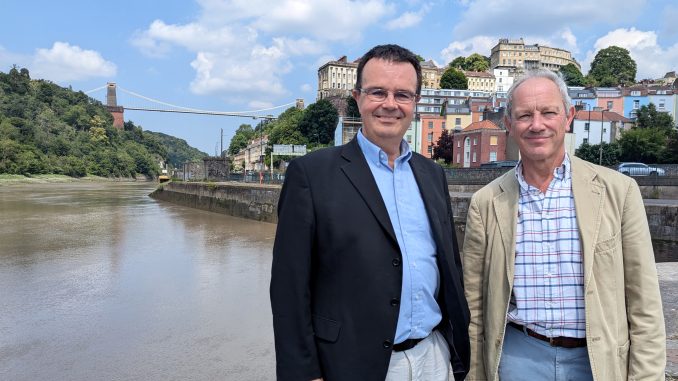
Former military top brass are calling for businesses to take on diverse teams with complementary skills – including neurodivergent talent – to boost performance.
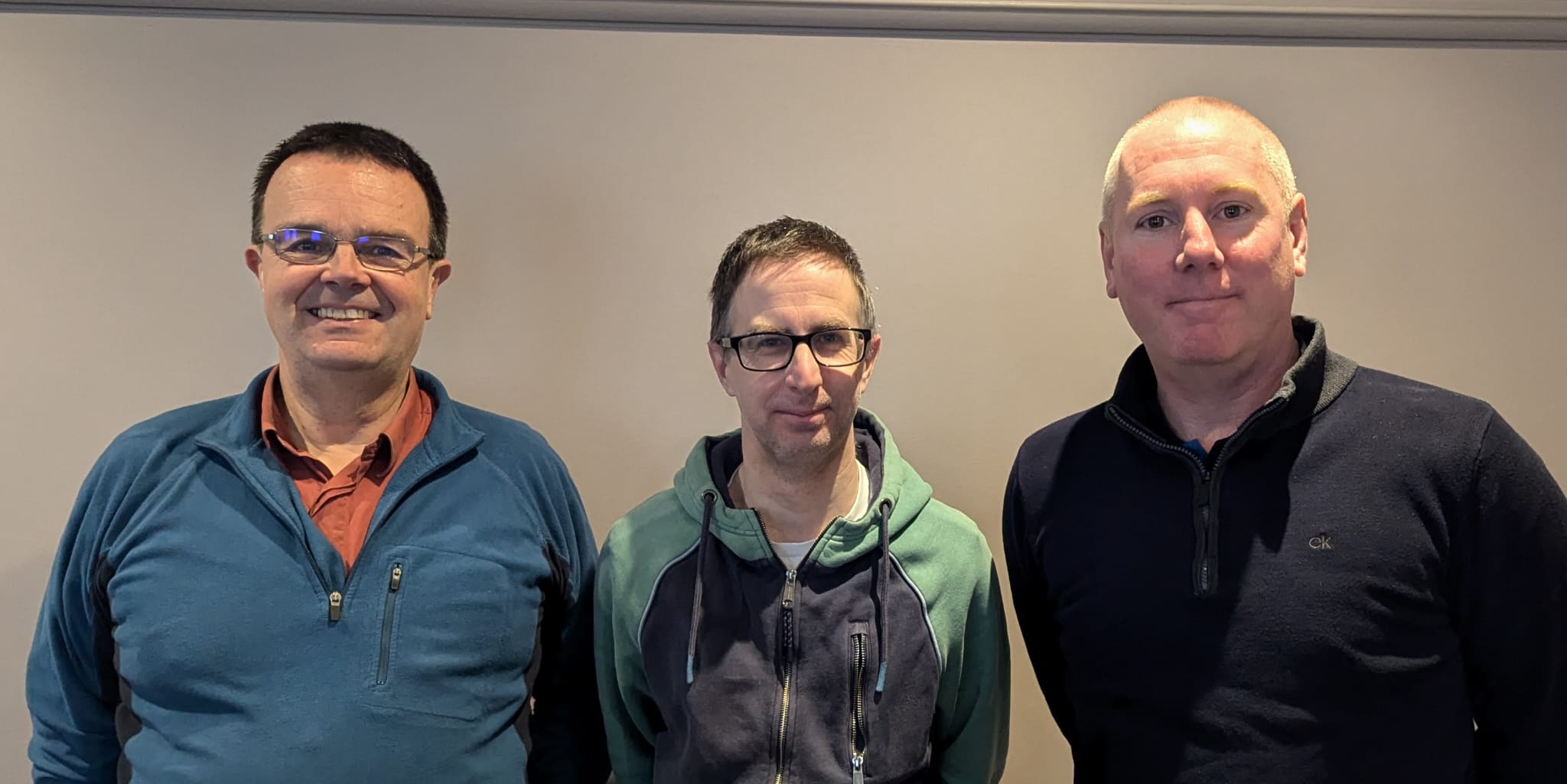
Ex army officer Felix Spender and former Royal Navy engineer officer Glen Maxwell-Heron set up Springboard to the Future (STTF) to improve productivity and retention in businesses.
And Glen, who has worked for financial services businesses delivering multi million pound IT projects, is autistic with attention deficit hyperactivity disorder (ADHD).

He said: “I think it helps to have a team with different perspective, abilities and approaches. I process information quickly and can see links where others may not, for example.”
Glen is a trustee with Bristol Autism Support, a charity which offers information and support for parents and carers of autistic children, with or without a diagnosis.
The father-of-two said: “When you have the right environment and the right support, you get the best out of people – whether it’s in an educational or work setting.”
Thinking outside the box
Neurodivergence or neurodiversity means the brain may function, process and learn information in a different way from someone who is “neurotypical”.
An estimated one in seven people are neurodivergent in the UK but this is not always reflected in the workplace.
The Office for National Statistics (ONS) found just 22 per cent of autistic adults are in any kind of employment.
And 65 per cent of people with ADHD are reported to worry about experiencing discrimination from their managers if they mention their diagnosis.
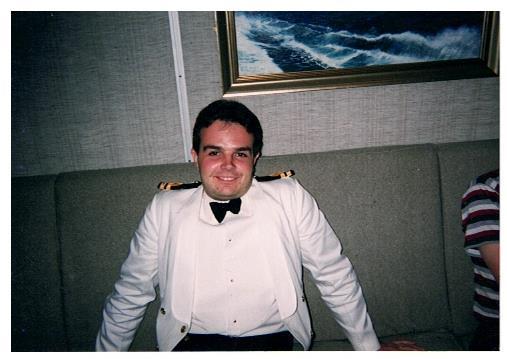
Glen, a former University of Cambridge student who has worked in Japan for working for multi-national companies, said: “I think neurodiversity can give businesses a competitive edge and it’s important to accommodate for different ways of working.”
The cognitive neuroscientist Professor Sir Simon Baron-Cohen, who has been knighted for his research, has linked human invention to autistic traits.
And research has shown some conditions, including autism and dyslexia, can bestow special skills in pattern recognition, memory, or mathematics.
Complementary skills
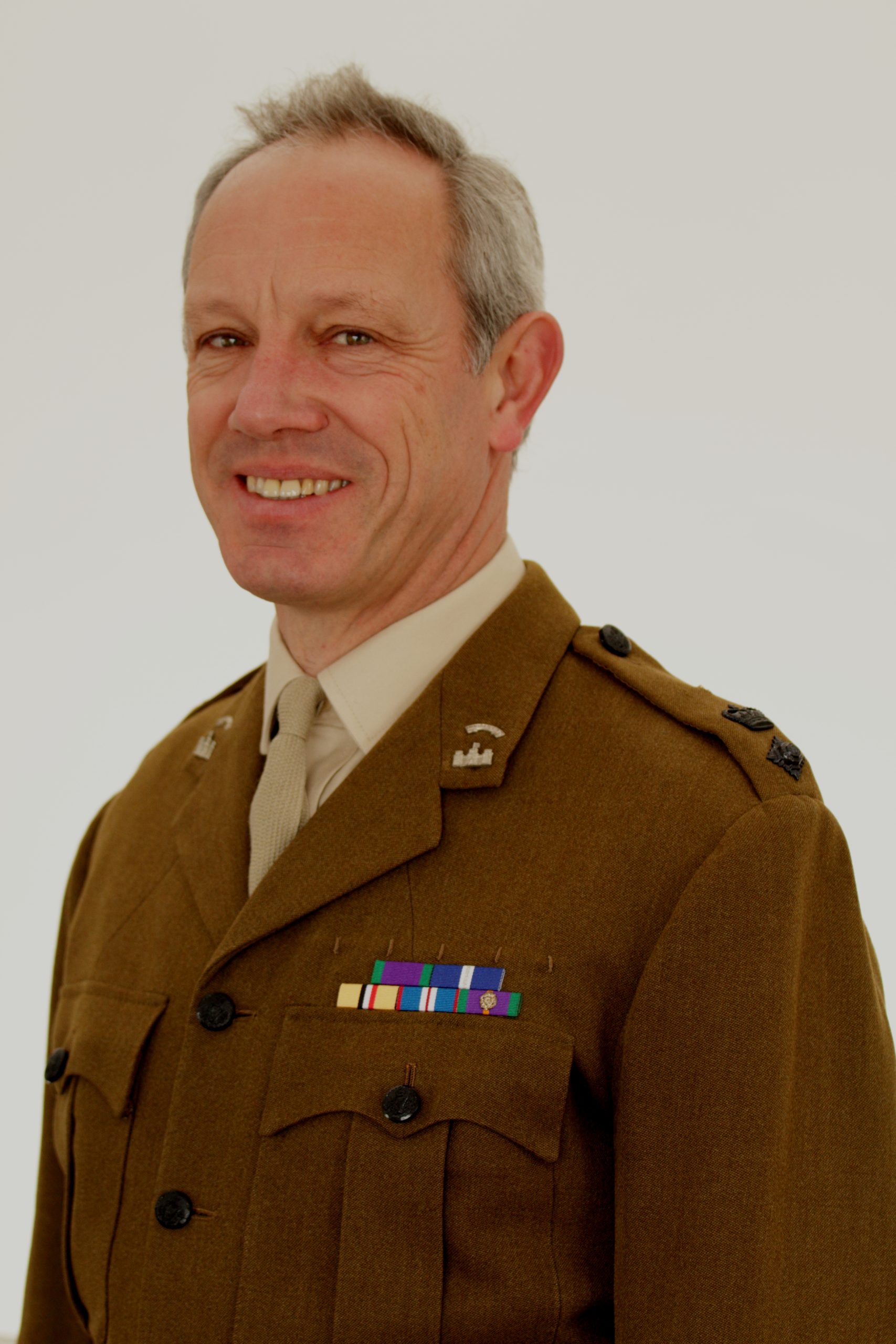
Felix, who served in Iraq and Kosovo under NATO, believes it is important for leaders to find people with different perspectives and complementary skillsets.
He said: “I wanted to work with Glen because he is more analytical and approaches problems differently to me.
“While it’s tempting to want to surround ourselves with those who are similar to us, this can stunt growth. You can only solve complex problems by looking at them for different perspectives”.
Research has shown leaders who use complementary leadership see a significant increase in both their teams’ performance and their own.
Together, STTF has helped organisations improve productivity and retention by at least 10 per cent – potentially saving hundreds and thousands of pounds.
Felix, who once secured the release of more than 100 hostages captured by Somalian pirates, balances Glen’s directness with his diplomacy.
Felix, who ran a conflict management firm, said: “It’s vital that businesses are aware of any issues that may be holding them back and that we broach this as soon as possible.
“We’ve witnessed first-hand how awareness, followed by small tweaks, can quickly improve a company’s productivity and profitability.”