
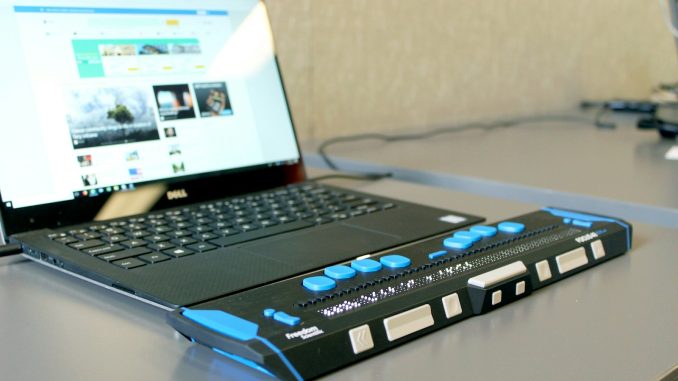
Disability tech companies belong to a vital subsector of the broader technology industry. Developing diverse products and services around assistive technology improves the quality of life of hundreds of millions of people with disabilities. These innovations make the world more accessible to individuals with physical and/or mental impairments, opening more economic doors for them and creating more opportunities to become productive members of society.
As admirable as the missions of disability tech startups may be, their future is uncertain. Like other ventures, they face business risks that threaten their survival. Arguably, these companies have to overcome more hurdles to achieve profitability sustainably. These four trends provide clues about where the subsector is heading.
1. Startup Failure Is Rising
Novice tech executives need all the help they can get, as the failure rate is too high and it’s getting worse. TechCrunch’s research found that 966 startups closed shop in 2024 — a 25.6% jump from 2023. The actual figure could be higher since the media outlet only counted the companies that left Carta, a capitalization table management and valuation software vendor, due to bankruptcy or dissolution.
This trend stems from the poor decisions of venture capitalists (VCs) that funded many companies at inflated valuations in the early 2020s. Seed funding is a huge gamble, as investors rely on projected high-growth potential instead of historical data when choosing bets.
Startups that receive considerable cash before they know what they’re doing tend to experience difficulty raising more capital down the road. VCs are less inclined to inject more funds into declining startups in their portfolios to cut losses.
The tech sector has more failed startups than others for various reasons. Intense competition, flawed business models and limited funding contribute to failure.
History dooms most disability tech founders to crash and burn. However, those that satisfy real market needs, develop sustainable ways to generate revenue and manage cash flow effectively have high survival rates. Developing a growth mindset by welcoming and acting on feedback helps founders recalibrate strategies and save their startups from financial ruin.
2. Accelerator Programs Are Increasing
Fledgling disability tech companies have more access to accelerator programs than ever. Startup accelerators are crucial because they provide networking and funding opportunities for founders. Weeks of mentorship and guidance provide greenhorn decision-makers the tools they need to fast-track their companies’ growth.
Remarkable is among the first to launch a disability tech accelerator program. The organization began as a Cerebral Palsy Alliance (CPA) initiative inspired by global tech development competitions involving people with disabilities. It runs two accelerator programs yearly — one in Australia for global startups and one in the United States for U.S.-based companies.
AssisTech Foundation, India’s first assistive technology accelerator, has nurtured 54 startups and been instrumental in creating more than 110 assistive technology products and 59 patents.
SmartJob’s Moonshot Disability Accelerator Initiative aims to provide a platform for disability-led startups to succeed. The initiative has 10 accelerator partners across six countries, whose models revolve around the principles of inclusive and universal design and accessibility. SmartJob targets supporting about 220 early-stage companies.
The American Association of People with Disabilities’ Start Access wants to empower entrepreneurs with disabilities. The organization hopes its program will encourage these business leaders to actively participate in the startup ecosystem and shape the future of disability services.
3. Workplace Disability Inclusion Isn’t Losing Steam
Inclusion in the workplace remains one of the forces driving disability tech innovation. This enduring trend has spurred assistive technology research and development (R&D) and inspired adaptive device manufacturers to repackage products for various users.
For example, adaptive switches and mounts help adults with limited mobility work more comfortably and access various devices. They also enable children with cerebral palsy to use communicators, toys and electronics independently.
Supplier diversity programs are another by-product of disability inclusion. These initiatives encourage companies to rethink supply chains with diversity, equity and inclusion in mind. Any conscious effort to procure products and/or services from disability-led organizations can offset the unique challenges they contend with in business.
Many entities are reluctant to fund disability tech companies, believing these startups are too niche and not scalable enough to recoup. Some founders with disabilities experience prejudice and discrimination from investors and business partners. Although experiencing negative emotions builds resilience, unfair perceptions toward people with disabilities are additional roadblocks to profitability.
Supplier diversity programs empower startups in this tech subsector to shake off the stigmas holding them down. With these negative perceptions out of the way, disability tech ventures can expand their potential user base, build more sustainable revenue models and present more enticing scalability prowess to investors.
Access to adequate capital helps founders pour more funds into R&D. Developing better inclusion product designs and improving compatibility and interoperability with mainstream tech are crucial for long-term success.
4. Global Disability Tech Market Is Steadily Growing
Health care accessibility is a primary growth driver. Telehealth and remote monitoring technologies are leading the way — especially in North America, where the health care infrastructure is mature, the elderly population is ballooning and the adoption of assistive devices begins early. Surging home care needs and the independent living movement also fuel market expansion.
According to a 2024 report published by Data Bridge Market Research, the global disabled assistive device market will expand at a compound annual growth rate of 5.90% from 2025 to 2032. The consulting company projects its size to increase from $26.64 billion to $42.14 billion throughout the forecast period.
The future of disability services in health care is bright. However, startups face headwinds from the prohibitive prices of advanced assistive devices. The manufacturers that focus on cost-effective innovation and successfully ensure equitable product access stand to beat competitors.
Additionally, devices requiring internet connectivity raise privacy and cybersecurity concerns. Disability tech company founders should tackle these ethical and security considerations early. They should familiarize themselves with all relevant regulatory frameworks and use compliance solutions to protect consumers and avoid breaking the law.
Lack of consumer awareness of the existence of disability technologies can hurt growth. Launching well-thought-out marketing campaigns should go without saying. Working with insurance companies to increase reimbursement coverage for assistive devices can also boost adoption.
The Future Is Rosy for Disability Tech Products and Services
Disability tech founders should feel good about the future. Despite the high possibility of failure, the rising number of accelerator programs worldwide, workplace disability inclusion’s sustained momentum and bright market projections should inspire optimism.