
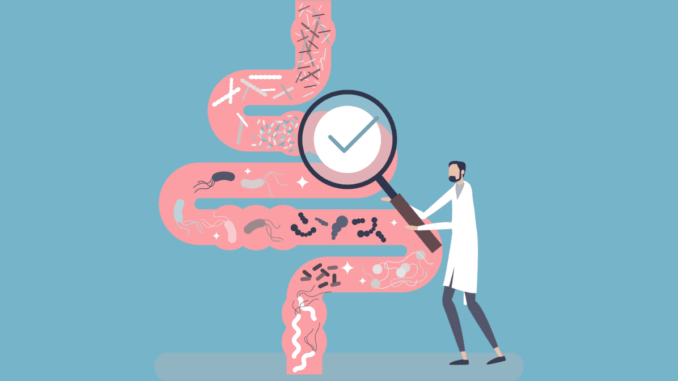
According to recent research, more than half of us have experienced gut health problems, and what’s more alarming is that over two-fifths of those who have said the issues were chronic, meaning the symptoms had lasted longer than three months.
Some of the most common symptoms of gut problems are bloating and gas, affecting around 51% of people. Other common symptoms include acid reflux and irregular bowels.
Interestingly, the same research found that just under two-thirds of us refrain from talking about our gut health, potentially due to the taboo nature of discussing our bowels. A shyness in talking about this could prevent those experiencing gut issues from seeking appropriate care to treat the symptoms.
And it’s not just in the UK, data from market researcher MMR Research Worldwide shows that digestive health is also an increasingly important concern among European customers, resulting in a rapidly growing market. In the Netherlands, for instance, digestive health now ranks fourth on consumers’ list of health concerns.
What are the most common symptoms and causes of bad gut health?
Irregular Bowel Movements or Constipation
Difficulty passing, or abnormally large and hard, stools, may be an indication of constipation, a condition that can affect individuals of all ages; with data from Holland and Barrett, one in every three survey participants reported constipation as one of their more common symptoms of poor gut health.
Other signs of constipation include having fewer than three bowel movements per week, although it’s better to focus on a change in your regular routine rather than a specific number.
According to gut health experts PrecisionBiotics, lack of physical activity and dietary changes, such as insufficient intake of fibre or fluids, can play a role.
Upset Stomach
Symptoms like gas, bloating, and heartburn can indicate issues with the stomach and may be accompanied by digestive problems. More than half (51%) of the survey participants reported experiencing gas and bloating during episodes of gastrointestinal issues.
One of the most common underlying causes for an upset stomach comes from an imbalance in the gut microbiome. This imbalance disrupts the body’s proper food processing and waste disposal within the gut.
Chronic Inflammation
Research suggests that an imbalance in gut bacteria can trigger inflammation, which may be a symptom of autoimmune diseases, insulin resistance, and even weight gain. A poor diet can be a source of inflammation. Refined carbohydrates such as white bread, pasta, white sugar, processed meats, and excessive alcohol consumption can all contribute to inflammation in the body.
Sleep Troubles
Struggling with sleep can also indicate poor gut health. The gut produces approximately 95% of the body’s serotonin, and an imbalance in the gut microbiome can affect sleep quality. Low serotonin levels can disrupt sleep and are believed to be linked to depression and insomnia.
Skin Issues
Unwanted spots and blemishes on the skin can be a sign of compromised gut health. A study conducted in 2011 found that individuals with acne were more likely to have increased intestinal permeability, also known as leaky gut. When there are openings in the gut lining, bacteria and toxins can enter the bloodstream, leading to inflammation and the development of acne.
PrecisionBiotics’ Top Tips for a Healthy Gut
Dietary Modifications
Simple dietary changes can have a significant impact on gut health. Including probiotic foods in your diet, such as yoghurt, sauerkraut, tempeh, aged cheeses, pickles, and even apples, can promote a healthy gut microbiome. Foods rich in prebiotic fibre, like bananas, honey, onions, oats, and garlic, can also provide beneficial bacteria to the gut.
Therefore, it is important to consume an adequate amount of these foods. Probiotics, often referred to as “friendly bacteria,” naturally reside in the gut and are believed to restore the natural balance of gut bacteria after illness or treatment. Recent research suggests that probiotics may alleviate constipation symptoms, further emphasising their potential impact on digestive well-being.
Regular Exercise
Exercise not only benefits overall health but also contributes to gut health. Engaging in regular physical activity, such as walking or doing household chores, can increase heart rate, promoting contractions that help move stools through the gut. Exercise also improves gut function, reducing the time food spends in the bowel and minimising water absorption, resulting in softer stools.
Supplement with Vitamins and Minerals
41% of survey respondents find it challenging to break the cycle of poor gut health habits. One way to improve gut health is to ensure that your body receives adequate vitamins and minerals. These micronutrients play a crucial role in various aspects of our health, including energy, metabolism, immune function, cellular growth, and support for gut health.
https://www.precisionbiotics.co.uk/blog/gut-health/the-uk-and-gut-health/


