
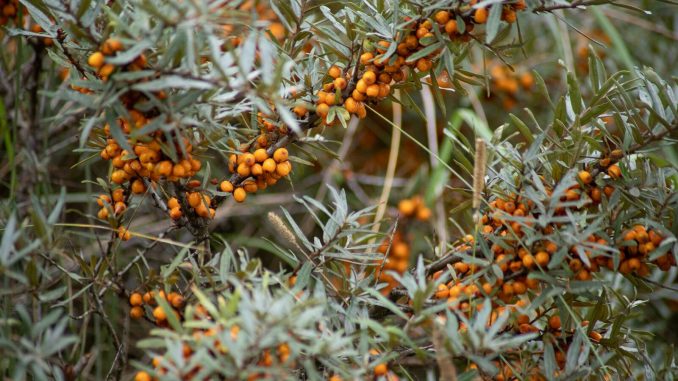
A little-known berry once largely confined to traditional remedies and specialist health products is now emerging as one of the fastest-growing ingredients across the food, beverage and personal care sectors.
According to new research from GlobalData, sea buckthorn is moving firmly into the mainstream as consumers increasingly seek natural, plant-based and ethically sourced products that offer both environmental and health benefits.
Native to parts of Europe and Asia, sea buckthorn has been used for centuries in Himalayan and Eurasian cultures. Today, however, the bright orange berry is attracting attention from major brands thanks to its nutritional profile, which includes high levels of vitamin C, antioxidants and the relatively rare omega-7 fatty acid.
The trend appears to reflect wider shifts in consumer behaviour. GlobalData’s latest consumer research found that 80% of consumers globally consider natural product claims important when making purchasing decisions, while around two-thirds also value organic credentials.
Beyond its nutritional benefits, sea buckthorn is increasingly being promoted as a more sustainable ingredient. The plant is known for its resilience in harsh growing conditions and its ability to thrive with relatively low environmental inputs. Its cultivation can also contribute to soil conservation and land restoration, making it attractive to companies looking to strengthen their sustainability credentials.
Sustainability Meets Consumer Demand
Sea buckthorn’s growth comes at a time when environmental concerns are increasingly influencing purchasing habits, particularly among younger consumers.
GlobalData research suggests that more than two-thirds of Millennials and Generation Z actively seek environmentally friendly or ethically produced products. For brands, sea buckthorn offers a combination of sustainability, traceability and nutritional value that aligns closely with these expectations.
Shagun Sachdeva, Practice Head of Consumer and Foodservice at GlobalData, said:
“Sea buckthorn’s transition into mainstream snacking is not accidental; it reflects an alignment between what the ingredient offers and what today’s consumer is actively seeking. Clean sourcing, functional nutrition, and a compelling origin story are now required by ingredients looking to move from niche to shelf.”
The berry is increasingly appearing in snack products, where manufacturers are seeking alternatives to artificial additives and highly processed ingredients.
Expanding Beyond Health Foods
Sea buckthorn is also finding new applications in the drinks industry. Its distinctive tart, citrus-like flavour has made it popular in functional beverages, including juices, fermented drinks, teas and hydration products.
Alcohol producers are also experimenting with the ingredient, incorporating it into craft beers, gins and aperitifs to create distinctive flavour profiles.
GlobalData’s research found that almost a quarter of consumers actively seek unusual flavours when purchasing alcoholic beverages, creating opportunities for innovative ingredients such as sea buckthorn.
Sachdeva said:
“Consumers are no longer willing to trade off health and taste, and sea buckthorn delivers both. What makes it more exciting in beverages is its ability to travel across consumer need states without losing credibility.”
Growing Interest in Natural Beauty Products
The ingredient’s expansion is not limited to food and drink. Sea buckthorn is becoming increasingly common in skincare and personal care products as consumers look for alternatives to synthetic ingredients.
With growing public concern about chemicals used in cosmetics and personal care products, manufacturers are incorporating sea buckthorn oils and extracts into facial skincare, body care, lip products and sun protection ranges.
GlobalData found that around 65% of consumers remain highly concerned about the impact of chemicals on their health and appearance, helping to drive demand for botanical-based alternatives.
Climate-Friendly Potential
While sea buckthorn’s health credentials are attracting consumers, its environmental potential may prove equally significant.
As climate change places increasing pressure on agricultural systems, crops capable of growing in poor soils and challenging conditions are receiving greater attention. Sea buckthorn’s ability to support biodiversity, reduce soil erosion and require relatively low levels of intervention could make it an increasingly important crop in sustainable agriculture strategies.
For climate-conscious consumers, the berry’s emergence reflects a broader shift towards products that combine personal wellbeing with lower environmental impact.
As businesses seek ingredients that satisfy both sustainability goals and consumer expectations, sea buckthorn appears well positioned to continue its journey from niche superfood to mainstream staple.