
Nearly two-thirds of Manchester parents fear screen time is damaging their child’s attention span as families back more screen-free activities in schools
Parents across Manchester fear children are losing the ability to concentrate, as new research suggests the average child or teenager can focus for just 21 minutes before becoming distracted.
Research commissioned by Harrows Darts found many families are becoming increasingly concerned about the impact of modern screen habits on children’s ability to concentrate, with almost six in ten (60%) Manchester parents worried about their child’s ability to focus for sustained periods.
The findings come as schools continue to look for practical ways to help pupils rebuild concentration, confidence and resilience away from screens.
More than six in ten (62%) Manchester parents said they are concerned about the impact screen time is having on their child’s attention span, while many also worry that excessive use of phones, tablets and gaming is affecting wider wellbeing.
The study of UK parents found children now lose concentration after an average of just 21 minutes, with more than four in five parents nationally believing their child can remain focused for no longer than half an hour before becoming distracted.
The findings add to growing concern about children’s digital habits, following national debate around screen use and proposals to introduce tighter restrictions on social media for younger teenagers.
Parents believe the issue extends beyond social media alone. Fast-paced digital entertainment, gaming and short-form video content are all seen as contributing to shorter attention spans, while more than four in ten families nationally say their child spends at least three hours every day using screens.
Many parents also believe the effects reach beyond the classroom, with children finding it harder to persevere with activities, manage frustration and develop patience.
Teachers are reporting similar experiences. A 2025 global survey by Cambridge International found that 88% of teachers believe students’ attention spans are getting shorter, prompting increasing interest in practical, hands-on activities that encourage sustained concentration.
Harrows Darts believes one solution could lie in giving young people more opportunities to take part in accessible, screen-free activities that naturally develop focus, resilience and mental agility.
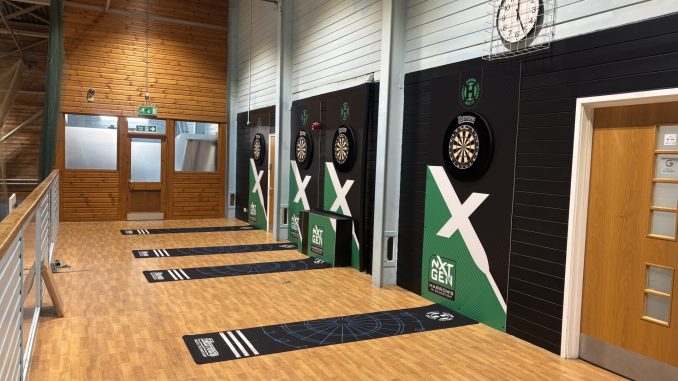
The company’s NxtGen: Harrows in Education programme has been created to help secondary schools introduce darts in a structured educational setting, using the sport to support concentration, mental maths, confidence and wellbeing.
Following a successful pilot, schools across the UK are now being invited to join the programme, which provides a complete darts education package including equipment, lesson plans and teacher guidance.
Damian Ara, from Harrows Darts, said: “The answer to children’s concentration challenges cannot simply be less screen time. We need to give young people more opportunities to experience activities that reward patience, practice and progress.
“Darts is affordable, inclusive and easy for schools to introduce, while helping pupils develop skills that extend far beyond the dartboard, from mental maths and resilience to confidence and self-discipline.
“With darts enjoying unprecedented popularity across the UK, NxtGen gives schools an opportunity to channel that excitement into something genuinely positive, while also helping inspire the next generation of players.”