
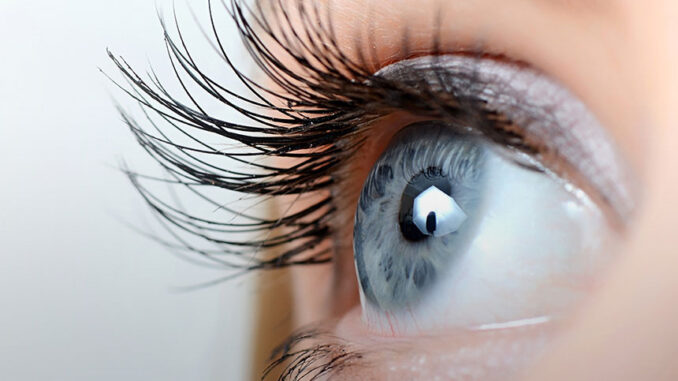
Matt Durkin, Vitamin Expert at Sealions, has compiled this list of recommended vitamins to support your eye health during Eye Health Week.
Our eyes are truly remarkable organs; they allow us to perceive the world in all its glorious beauty and detail. Maintaining optimal eye health is vital for getting the most out of life, and one way to ensure you can do this is through proper nutrition. Adding vitamins and supplements to your diet can be seen as beneficial for sustaining the health of your eyes. However, it is important to be aware of the health of your eyes with regular eye tests.
Let’s discuss the range of vitamins and nutrients that can significantly contribute to better eye health and how they can help prevent or manage common eye conditions such as AMD (Age-Related Macular Degeneration) and cataracts.
Vitamins that support Eye Health:
Deficiencies in specific vitamins can increase or decrease the risk of some eye conditions, like AMD, cataracts, glaucoma, and diabetic retinopathy. Research has suggested that some vitamin supplements can help to protect against or slow the development of these conditions.
Vitamin A
This is often called the “vision vitamin” as it plays a crucial role in maintaining good eyesight. Foods that are rich in Vitamin A, such as sweet potatoes, carrots, red peppers, pumpkin, and squash, should be included in your diet.
Vitamin B
The B vitamins play multiple roles in looking after your eye health. It should be easy with a full range of B vitamins, including at least a few food items rich in each. Foods high in B vitamins include but aren’t limited to fish, beans, rice, poultry, eggs, dark leafy greens and many more.
Vitamin C
A powerful antioxidant that helps to protect our eyes from oxidative damage. Oranges, broccoli, Brussels sprouts, blackberries and even grapefruit juice are excellent sources of Vitamin C.
Vitamin E
Best known for its anti-inflammatory properties, Vitamin E can reduce the risk of age-related eye diseases. Almonds, sunflower seeds, peanuts, and asparagus are rich in Vitamin E.
Omega-3 Fatty Acids
These essential fats are found in oily fish like salmon and trout, flaxseed, walnuts, and chia seeds. Omega-3s support eye health by reducing inflammation and helping to maintain the integrity of eye cell membranes.
Lutein & Zeaxanthin
These carotenoids are essential for filtering harmful high-energy light waves like ultraviolet rays. Cooked spinach, kale, and collard greens are excellent sources of Lutein and Zeaxanthin.
Zinc
Zinc plays a vital role in maintaining the health of the retina. To ensure an adequate zinc intake, include seafood, turkey, beans, chickpeas, nuts, pumpkin and whole grains.
However, if you find it difficult to get the proper nutrients into your diet, it can be easy to top this up by simply taking supplements that support eye health.
Common Eye Conditions:
Now that we’ve covered the essential vitamins and nutrients, let’s delve into some common eye conditions and how the right nutrition can help prevent or manage them.
• Diabetic Retinopathy: Diabetic retinopathy is a condition that affects individuals with diabetes. Managing blood sugar levels is crucial in preventing this condition. Nutrients like Omega-3 fatty acids, Vitamin E, and zinc can also help protect the eyes from diabetic retinopathy.
• Age-Related Macular Degeneration (AMD): AMD is a leading cause of vision loss in older adults. Antioxidants such as Vitamin C and E, along with Lutein and Zeaxanthin, may help slow the progression of AMD.
• Glaucoma: Glaucoma is characterised by increased intraocular pressure, which can damage the optic nerve. Vitamin C, Vitamin B1, and magnesium may help lower the risk of glaucoma.
• Cataracts: Cataracts cloud the eye’s natural lens, leading to blurry vision. Vitamin C and antioxidants like Lutein and Zeaxanthin can help reduce the risk of cataracts.
Maintaining good eye health is a lifelong commitment, and proper nutrition plays a significant role in achieving this goal. Incorporating these essential vitamins and nutrients into your diet can enhance your eye health and reduce the risk of common eye conditions. Remember to consult with a healthcare professional before making significant dietary changes, especially if you have existing eye conditions or health concerns. Your eyesight is precious, so take the necessary steps to protect and nourish it for years.


