
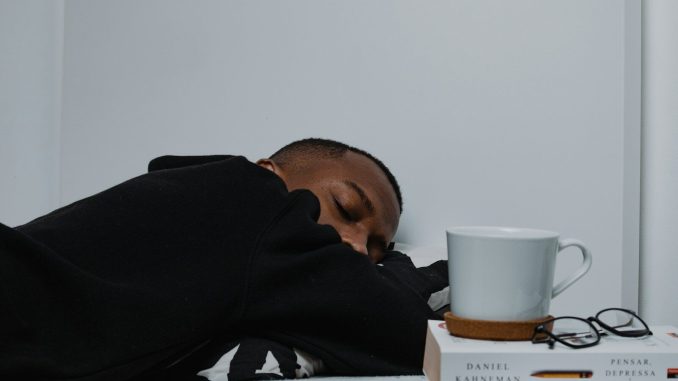
Pharmacist warns students to look beyond the familiar rash and explains why leaving an unwell flatmate to “sleep it off” could delay urgent help
Cold hands and feet, severe limb pain and rapid breathing may not be the symptoms students associate with meningitis, but they can be warning signs of meningococcal disease, which can cause meningitis and life-threatening sepsis.
As freshers’ week gets underway, Sobia Qasim, pharmacist at online pharmacy Curely, is urging students to recognise the less familiar symptoms and watch for changes in how their flatmates are feeling or behaving.
According to the Meningitis Research Foundation, limb pain, pale skin and cold hands and feet can appear before more recognisable symptoms such as a rash, neck stiffness or sensitivity to light.
With late nights, drinking and seasonal illnesses making it easy to explain away feeling unwell, the message is simple: do not wait for a rash, every symptom or the next morning if you suspect meningitis or sepsis.
Sobia Qasim, pharmacist at Curely, said:
“Freshers’ week is probably one of the easiest environments in which to dismiss the early signs of meningitis.
“Students expect to feel tired. They might have been drinking the night before, they’re suddenly mixing with lots of new people and freshers’ flu is something almost everyone has heard of.
“So a headache, vomiting, feeling exhausted or generally feeling unwell can easily be put down to a hangover or a virus.
“The important thing with meningitis is not to wait for every textbook symptom to appear. Symptoms can develop quickly, they can appear in any order and not everybody develops the rash people tend to associate with meningitis.”
The less familiar warning signs students should recognise
Meningococcal bacteria can cause meningitis, an infection of the protective membranes surrounding the brain and spinal cord, and sepsis. The warning signs go beyond a headache and rash.
UK Health Security Agency guidance highlights symptoms including:
- Very cold hands and feet, particularly when someone is also feverish or becoming increasingly unwell.
- Severe pains in the limbs or joints, including pain that makes standing or walking difficult.
- Pale or blotchy skin, which can accompany other signs of serious illness.
- Rapid breathing, especially alongside other symptoms.
- Diarrhoea and stomach cramps, which students might otherwise attribute to a stomach bug.
- Severe sleepiness or loss of consciousness, which must never be assumed to be ordinary tiredness.
These symptoms do not automatically mean meningitis or sepsis, but students should take them seriously, particularly if someone is deteriorating. A severe or worsening headache, stiff neck, confusion, sensitivity to light or seizures also require urgent attention.
What students should not do
Do not wait for a rash. Some people never develop one. Its absence does not rule out meningitis.
Do not assume a seriously unwell friend can “sleep it off”. Unusual drowsiness, confusion or difficulty waking someone are warning signs, even if they have been drinking.
Do not wait for every symptom to appear. Symptoms can develop in any order, and someone can become seriously ill quickly.
Do not let an earlier reassurance stop you seeking help again. If someone has already received medical advice but their symptoms worsen, seek urgent help again.
Sobia said the priority is recognising how unwell someone is becoming, rather than trying to diagnose them from an online checklist.
“If your friend says they have a headache after a night out, that obviously doesn’t automatically mean meningitis.
“What should change your response is when someone seems much more unwell than you’d expect, particularly if they’re deteriorating, unusually drowsy, confused, developing a stiff neck, struggling with bright light, having seizures or developing a rash that doesn’t fade under pressure.
“Don’t wait for a rash before getting help. That’s one of the most important things students should know.
“If you suspect meningitis or sepsis, call 999 or go to A&E. It can become serious very quickly.”
Check your vaccination course is complete
The warning comes after NHS England reported 246,089 MenB vaccine doses administered between 20 July and 31 August 2026.
The NHS says first-year university students have around seven times the risk of meningococcal disease compared with young people of a similar age who do not attend university.
Under the current programme, two MenB doses are needed, at least 28 days apart. Eligible young people in England can book through the NHS National Booking Service or directly with participating community pharmacies.
Sobia said:
“One thing I’d urge students to check before university gets properly underway is whether they’ve actually completed the course.
“Getting the first vaccine is a positive step, but two doses are needed. If you’ve had your first, check the date and make sure you know when you’re due your second.
“Students have a lot to organise when they move away from home for the first time, so it’s understandable that a second vaccination appointment might not be top of the list.
“But this isn’t something I’d leave sitting at the bottom of your admin.”
Your flatmate could be the first person to notice
Moving away from home means friends and flatmates may be the people who spot that someone is becoming seriously unwell. Checking on an ill housemate and acting when their condition worsens could make a critical difference.
Sobia added:
“Pharmacies make a lot of sense for this age group because they’re accessible and familiar, and students don’t necessarily have to navigate a new GP practice or wait until they’ve settled into university.
“Nearly a quarter of a million doses being delivered in just a few weeks shows what can happen when you make preventative healthcare easier to access.
“The message now is to finish the course if you’re eligible, know the symptoms and look out for the people you’re living with.
“During freshers’ week, your flatmate might be the person who notices you’re becoming seriously unwell before you do.”
If you suspect meningitis or sepsis, call 999 or go to A&E immediately. Do not wait for a rash or all the symptoms to appear.
About Curely
Curely is a UK online pharmacy providing access to healthcare treatments and pharmacist-led support online.
About Sobia Qasim
Sobia Qasim is a pharmacist at Curely and provides expert commentary on medicines, treatments and consumer health.
Sources