
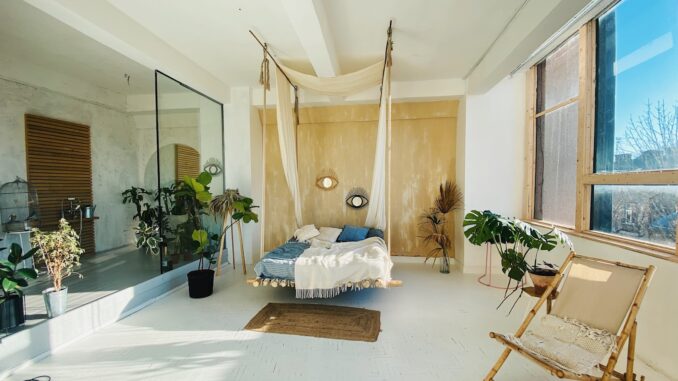
Your home should be more than a space to live – it should support your overall well-being, acting as a sanctuary that nurtures your body, mind, and spirit.
This article shows that by blending well-being principles with thoughtful home design, you can create an environment that promotes balance, reduces stress, and inspires joy.
What Is Well-Being?
Well-being is a holistic concept that encompasses physical health, mental clarity, emotional harmony, and a connection to your environment. A well-designed home can greatly influence this state, acting as a foundation for relaxation, creativity, and connection.
From thoughtful layouts to sensory experiences, incorporating wellness features into your home can help you thrive every day.
Here are some innovative ways to design a home that prioritises well-being while maintaining aesthetic appeal.
Fresh Approaches to Well-Being in Home Design
- Focus on Sensory Design
Well-being is deeply tied to sensory experiences. To create a calming environment, focus on elements that appeal to the senses:
- Sound: Use soundproofing techniques or add calming elements like white noise machines or water features.
- Scent: Diffusers with essential oils like lavender or eucalyptus can help create a serene atmosphere.
- Touch: Incorporate soft, tactile materials such as plush throws, natural fabrics, or smooth wooden finishes for a comforting feel.
These sensory touches create a multi-dimensional space that feels good to inhabit.
- Curate a Lighting Scheme That Enhances Mood
Lighting has a profound impact on how we feel. Consider layered lighting that adapts to different times of the day. Use warm, dimmable lighting for evenings to encourage relaxation, and brighter, cooler lighting during the day to boost energy and productivity.
Adding smart lighting solutions allows you to control the mood of your home effortlessly.
- Transform Your Bathroom into a Wellness Escape
Bathrooms have incredible potential to become personal wellness retreats. Alongside calming colours and soft textures, consider adding a feature that promotes relaxation and detoxification.
Infrared saunas from Sun Stream Saunas, for example, are a game-changing addition that brings spa-level luxury into your home. Compact and sleek, a two-person infrared sauna fits seamlessly into most bathrooms, offering health benefits like stress relief, improved circulation, and muscle recovery.
By incorporating this feature, your bathroom becomes a holistic wellness space that feels indulgent and rejuvenating.
- Design for Movement and Flow
Our homes should encourage movement, not stagnation. Consider an open floor plan or multi-functional furniture that allows for dynamic use of space. A small area with resistance bands, light weights, or a foldable treadmill can keep physical activity part of your daily routine.
For tighter spaces, wall-mounted pull-up bars or yoga mats that roll away neatly are excellent solutions.
- Incorporate Biophilic Design
Biophilic design is all about connecting with nature (which has been proven to reduce stress and increase happiness), and can be incorporated into the home in the following ways:
- Natural Materials: Use materials like bamboo, stone, or wood for furniture and decor.
- Indoor Gardens: Install living walls or hang planters from ceilings to create vertical green spaces.
- Natural Shapes: Opt for rounded furniture and organic patterns that mimic nature, offering a softer, more harmonious aesthetic.
- Create “Recharge” Zones
Not every room in your home needs to serve multiple purposes. A recharge zone – such as a reading nook, nap pod, or meditation corner – can be a small but meaningful addition. Add a comfortable chair, layered cushions, and soft lighting to encourage moments of stillness.
For an added touch, include ambient lighting or a personal speaker to play relaxing sounds or guided meditations.
Why Well-Being and Home Design Go Hand-in-Hand
Your surroundings profoundly affect your health and happiness. By designing spaces that prioritise well-being, you’re creating an environment that actively supports a healthier, more balanced lifestyle.
Small, intentional changes (like adding plants, investing in flexible furniture, or incorporating wellness features) can make a significant difference.
By integrating well-being into your home’s design, you’re not just enhancing its functionality or beauty; you’re creating a foundation for a more fulfilling life. Embrace the possibilities and start transforming your space into a sanctuary that truly reflects your commitment to wellness.
