
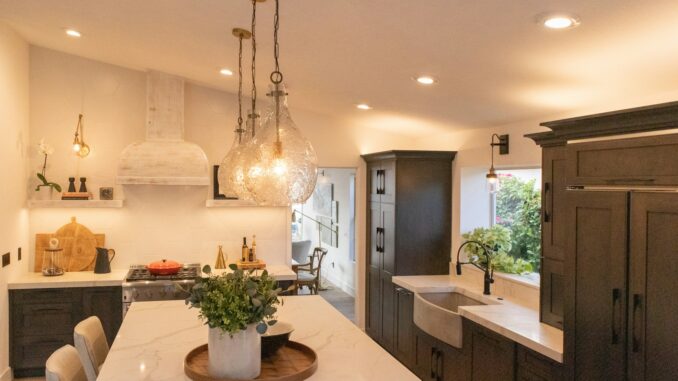
The spaces we live and work in shape how we feel, think, and function each day. The way light interacts with these environments plays a key role in energy levels, focus, and overall well-being. Small adjustments in lighting and spatial design can create a noticeable difference in mood, productivity, and relaxation.
A well-lit and thoughtfully arranged space promotes clarity and comfort, whereas dim, cluttered, or poorly planned environments may lead to fatigue and stress. Understanding how light and space interact can help in making better choices for a more positive daily experience.
So, what are you waiting for? Keep reading as we explore more about how light, and space can influence your daily mood.
The Role of Natural and Artificial Light in Mood Regulation
Natural light has a powerful effect on your mood and energy. Sunlight boosts serotonin, a hormone that promotes feelings of happiness and focus. It also regulates melatonin, which controls your sleep cycle. When you don’t get enough daylight, you might find yourself feeling sluggish, irritable, or struggling to get quality rest.
To maximise natural light, make sure your windows are clear of heavy curtains, large furniture, or unnecessary obstructions. Sheer curtains or blinds allow daylight to filter through while still providing privacy. Mirrors can help distribute sunlight more effectively—placing them opposite windows reflects light deeper into a room, making it feel brighter and more open.
Artificial lighting plays a crucial role when natural light is limited. However, keep in mind that harsh, overly bright lights can feel uncomfortable, while dim lighting can contribute to fatigue. This is why having a combination of different light sources ensures the right balance. Daylight-mimicking bulbs help maintain a steady energy level, especially during darker months, while warm lighting in the evening signals to your body that it’s time to unwind.
How Different Types of Lighting Affect Energy and Focus
The type of lighting in a room influences focus, relaxation, and general energy. Different tones and intensities serve distinct purposes; all you have to do is choose from the following:
- Cool white and daylight bulbs: These work best for tasks requiring attention, such as reading, working, or cooking. Their stimulating effect keeps the mind engaged and helps prevent drowsiness.
- Warm white and soft yellow tones: These warm choices are suitable for winding down in the evening, as they create a calming atmosphere and prepare the body for rest.
- Layered lighting: A combination of ceiling lights, table lamps, and wall-mounted fixtures allows for adaptability throughout the day.
Lighting that can be adjusted to different brightness levels provides more flexibility. Dimmer switches and smart lighting systems help create the right atmosphere at different times, ensuring that spaces remain comfortable without being too harsh or too dark.
The Psychological Impact of Space and Lighting in Your Home
The arrangement of a space and the type of lighting used can influence your mental clarity and emotional balance. Dark, cluttered areas may make you feel restrictive, while open, well-lit spaces help to create a sense of ease and positivity.
Key elements that impact how a space feels include:
- Clutter and organisation: A tidy space reduces mental overload and promotes relaxation.
- Open layouts and flow: Unobstructed pathways and minimal barriers create a sense of openness and ease.
- Natural elements: Plants, wooden textures, and soft lighting enhance comfort and warmth.
Wall-mounted lighting can be particularly effective in creating a well-balanced environment. It reduces reliance on harsh overhead lights and distributes illumination more evenly, contributing to a softer, more inviting atmosphere.
Choosing the Right Lighting for a Healthier Lifestyle
Selecting the right type of lighting for different areas enhances comfort and supports natural energy cycles. Here’s how lighting placement and fixture choices contribute to wellbeing:
- Living areas: Warm and soft lighting fosters relaxation and social interaction.
- Workspaces: Cool white light enhances focus and reduces eye strain.
- Bedrooms: Soft, dimmable lighting supports a smooth transition into sleep.
- Kitchens and dining areas: A mix of ambient and task lighting creates a balance between function and warmth.
Wall lights play a practical role in shaping a space’s ambience. They offer subtle illumination without overpowering a room, making them a great addition to bedrooms, hallways, and reading nooks. If you are looking to refine your home’s lighting, you can find your perfect wall light at corston.com, where you can find a range of designs suited to various needs.
Practical Tips for Adjusting Light and Space to Improve Wellbeing
Making small changes to your space can significantly impact your overall mood and energy. Simple adjustments in lighting and organisation can instantly make a room feel brighter, more open, and more comfortable.
If a room feels too dim, adding additional light sources rather than increasing the brightness of a single overhead fixture can create a more balanced glow. Table lamps, wall lights, or floor lamps can fill in darker corners, making the space feel more inviting.
Rearranging furniture to make better use of natural light also improves the feel of a space. Positioning seating areas near windows ensures you get more daylight exposure throughout the day. If natural light is limited, daylight-simulating bulbs offer a good alternative, helping regulate your body’s internal clock.
Keeping spaces free from clutter reduces distractions and creates a more peaceful environment. Even small efforts, such as clearing surfaces or using storage solutions to keep items out of sight, can make a noticeable difference.
How to Use Smart Lighting to Enhance Your Daily Routine
Technology makes it easier than ever to create a home that adapts to your needs throughout the day. Smart lighting systems allow you to customise brightness and warmth based on the time of day, ensuring your space supports both productivity and relaxation.
Using programmable lights that gradually brighten in the morning helps you wake up naturally, reducing the reliance on harsh alarms. During the day, automated lighting can adjust to provide optimal brightness for work or study sessions. As the evening approaches, dimming the lights signals to your body that it’s time to unwind, helping improve sleep quality.
Motion-activated lighting is another useful feature, particularly in hallways and bathrooms, where sudden bright lights can be disruptive at night. These small changes make a big difference in creating a home environment that aligns with your daily energy flow.
Smart lighting solutions improve comfort and can enhance energy efficiency. LED bulbs, combined with automation, reduce unnecessary energy use, making them an environmentally friendly and cost-effective choice.
Create a Space That Supports Your Wellbeing
Ultimately, your home should be a place that energises you during the day and helps you relax in the evening. The right combination of lighting and spatial design can improve focus, lift your mood, and make your space feel more comfortable.
If you maximise natural light, choose the right artificial lighting, and declutter your environment, you can create a home that works for you. Whether it’s adding softer lighting to your bedroom or rearranging your workspace to make it feel more open, small changes lead to noticeable improvements.
Start by looking at your space today and making one simple adjustment. Whether it’s switching to a softer light in the evening or opening your curtains in the morning, each step brings you closer to a home that supports your daily energy and well-being.