
What could be better than incidental exercise? Getting paid, for incidental exercise. If you have loves sports all your life and would like to take that into a career, there are many options available. Take a look at our picks.
Fitness Class Instructor
A fitness instructor first and foremost must bring the energy. They have to convince the most stubborn of their audience that what they’re doing is fun and worth it. You will be setting fitness goals, giving advice on diet and exercise to clients, teaching clients to use equipment and working towards goals.
You can gain a qualification to become a class instructor with qualifications offered by ACE Fitness, for example, but the beauty of this chosen career path is that it can be self-employed. You gain access to a space, be that a gym hall or community hall, advertise your class, and charge people to use it. You work when you want as much as you want.
Personal Training
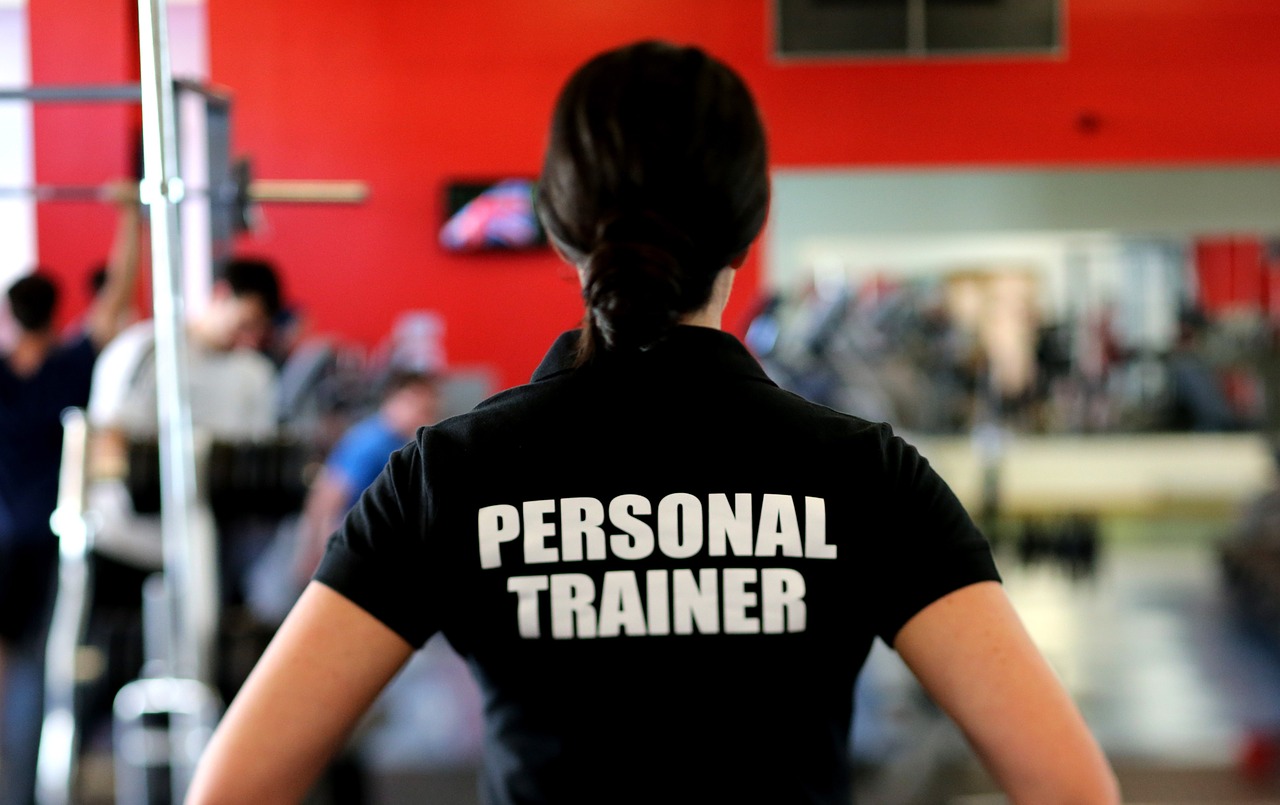
If you have a drive to see improvement in the physical and mental sense, and understand the importance of one affecting the other, you might be a good choice for a personal trainer. People have a million reasons to get fitter, be it to look better, feel better, offset illness, or have a child, they will want your help to get them to their most coveted goal.
Personal trainers advise on health, nutrition, and lifestyle changes. It’s all about knowing the science of the body and its effects as much as it is about what exercise will get results. It is also about adapting your demeanour to what your client will respond to. If your client simply doesn’t respond to harsh criticism, or not in the way you expect, maybe an approach free of judgement is needed.
You can gain a level 3 diploma in gym instructing and personal fitness with various online and distance learning courses like StudyActive and it is offered at various colleges across the country.
Sports doctor
Sport and Exercise Medicine (SEM) consultants are medical specialists who offer advice and care to those injured through sport. They can work in clinics specialising in sports care, for high-profile individuals, or for specific teams. They generally take a holistic approach to patient care and offer diagnosis, care, and advise on injuries or conditions caused by ongoing exercise.
The role requirements, besides a medical degree, are vast. They include core medical training, membership of the college of physicians and two years of emergency training.
A good sports doctor would have a good and natural rapport with patients, and have a knack for breaking bad news sensitively, since there will be a vast difference between athletes and your average patient. Any patient who isn’t dying is likely to be happy if they got told they broke a limb, but if a twisted ankle takes an athlete out of a competition, they’ve been training years for, it will be devastating.
Sports Journalist
Alright, this one is low on the fitness aspect, but if you love the craft, the artistry, the majesty of sport, and you can articulate that love, you might have a career in sports journalism.
You can usually specialise in sports journalism from any university-level journalism course, or simply take your overall journalism degree to the sports department of your choosing. Some courses offer specialised sports journalism throughout your degree.
You will need know how the industry works, how to find the stories behind the match reports and events coverage, get to the human behind the ball, racket, spear, what have you. A good sports journalist will understand that what happens off the pitch is just as important as what happens on it.
