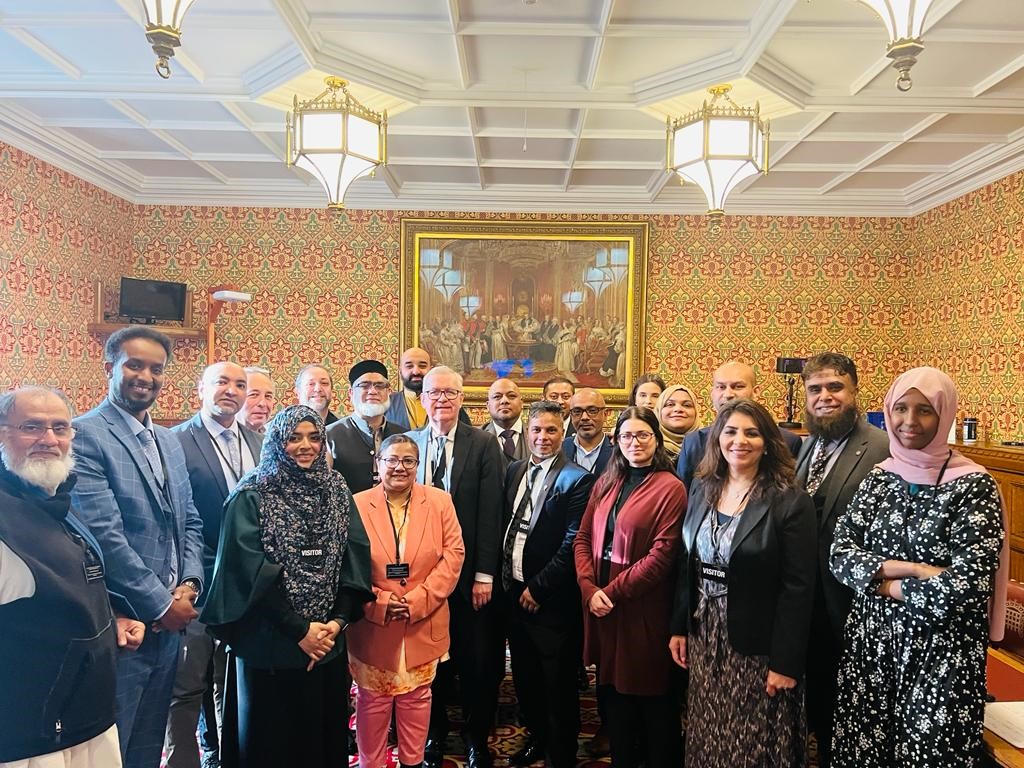
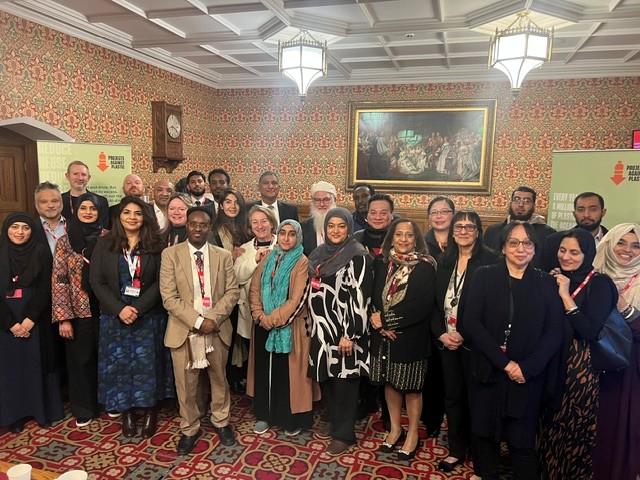
Community leaders have taken steps to tackle single-use plastic during Ramadan following a conference held at the House of Lords.
The Plastic Free Ramadan initiative works with representatives from mosques across the country to find sustainable ways to serve food and drink while breaking fast – with the potential to save over 500 tonnes of waste each year.
The campaign was launched by Projects Against Plastic (PAP), a charity tackling single-use plastic in the hospitality sector, back in 2019.
Since then, the UK government has announced new far-reaching single-use plastic bans.
And PAP has worked in partnership with the House of Lords and Bristol Muslim Strategic Leadership Group (BMSLG), to raise awareness and offer practical solutions.
PAP charity founder Naseem Talukdar said: “This has been an opportunity to unite communities, promote sustainable practices and take action which will lead to positive change.”
Representatives from North Ilford Islamic Centre Masjid Al Falah have taken action to reduce single-use plastic, including providing reusable glasses and jugs, installing a water fountain and making announcements to reinforce the importance of reducing waste.
Foisol Uddin, management committee member, said: “We all have a responsibility to protect the environment. As a community, we can take meaningful steps towards sustainability.
“Let’s make this Ramadan Plastic Free and lead by example for future generations.”
House of Lords event
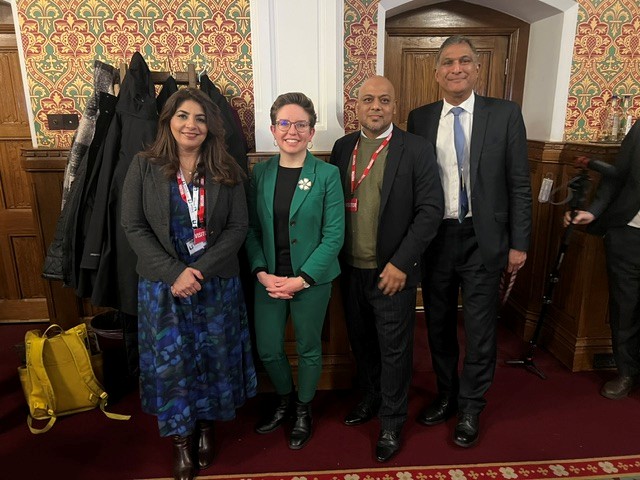
Plastic Free Ramadan started as a pilot scheme – with a water fountain and a dishwasher installed at a mosque in Naseem’s home community of Fishponds – reducing waste by 70 per cent.
Mosques in the South West, South East, North West and the Midlands have since responded to the campaign.
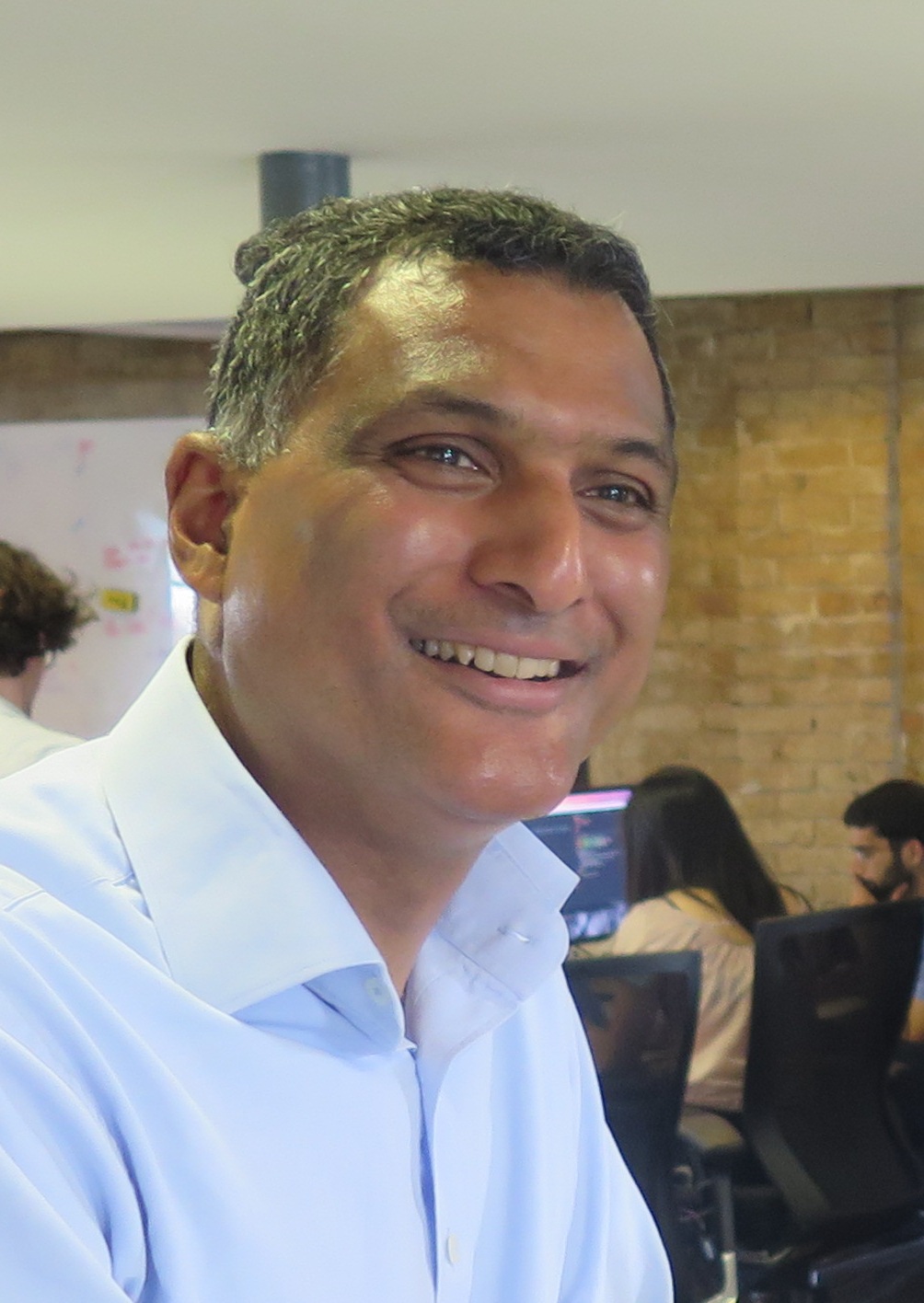
Lord Syed Kamall, a Member of the UK House of Lords and a professor of politics and international relations at St Mary’s University, Twickenham, was delighted to host the conference.
He said: “The event brought together representatives from mosques from around the country to share their experiences of reducing single-use plastics. We also looked at ways to overcome remaining barriers.
“By holding this event regularly, we hope to be able to find a way to measure progress and reach out to other communities in reducing waste further.”
Ruhana Ali, a member of The East London Mosque, said: “It was such a great opportunity to network with other organisations and leaders committed to reducing plastic waste and find out more about the different initiatives they had started in their mosques and communities across the UK.
“Our mosque is committed to many environmentally friendly practices including installing water fountains and preparing daily iftar for the congregation with reusable dishes to reduce our plastic waste. I left with some great practical next steps, new relationships and inspirational ideas to share with my own community.”
500 tonnes of waste reduction
There are an estimated 500 mosques in the UK and each one can use up to 3,000 water bottles and 2,000 plastic plates and cutlery sets during Ramadan.
The scheme could lead to saving a tonne per mosque – the equivalent weight of nearly 70 elephants.
A ban on some single-use plastics came into force in October 2023 and was updated the following year – banning and restricting certain items in England.

Sheila El Dieb, environmental task group chair of BMSLG, said: “By joining once again with this charity partnership, we believe that, not only are we giving the mosques their natural leadership roles at a critical period of the year, but giving them the format, with which to inform their communities regarding the recent legislation updated in October 2024.
“Ramadan is a time when Muslims are reconsidering their individual place in the world along with their responsibility to the planet, each other and our fellow global inhabitants.
“No step is too small to seek to find ecological ways of making our living sustainable; no person is unimportant in this journey.”
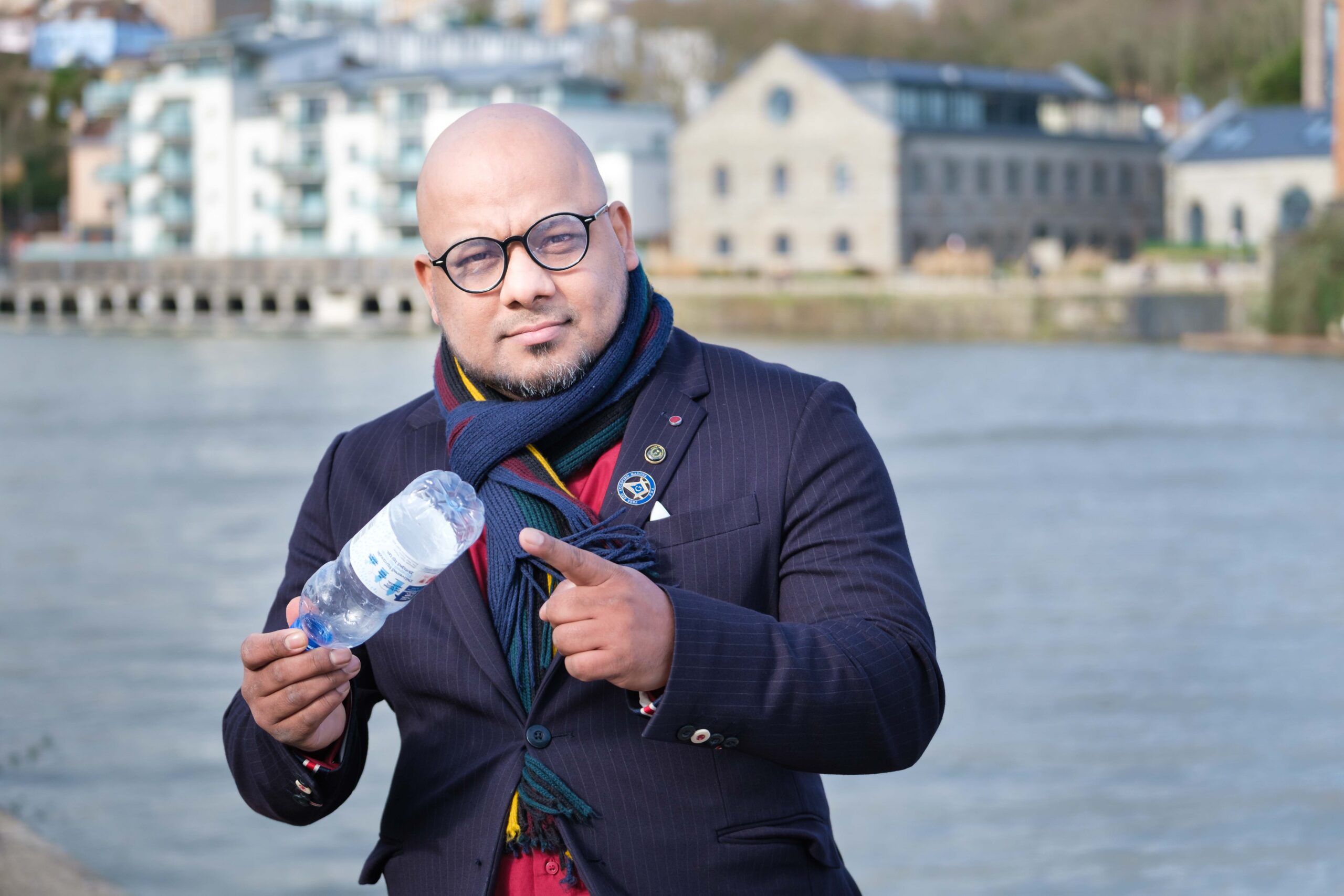
Naseem, who is also director for social responsibility and sustainability at UK Curry Connect (UKCC) campaign group, which works for betterment of the catering industry, believes reducing waste in mosques would significantly benefit the environment.
He said: “If everyone gets involved, we could save around a tonne of waste per mosque. This would benefit those communities directly and the country in general.”
Inspired
Daniel Webb, founder of Everyday Plastic, a social enterprise which tackles the plastic problem, said: “It was a privilege to be invited to Plastic Free Ramadan event and to take the opportunity to listen and learn more about the importance and potential of community action during such a reflective time.
“I was inspired by the determination of the PAP team and participants to to encourage their mosques to use Ramadan as a moment to consider their plastic footprint”