
Caring for others means more than providing daily assistance and compassion as much as it means maintaining a clean, safe, and compliant environment for residents and staff alike. In the healthcare and care home sector, waste management plays a central role in achieving this. From clinical materials and sharps to everyday general waste, handling and disposing of it properly helps protect everyone from potential health risks.
For this reason, many facilities are turning to care home waste disposal services that specialise in compliance, efficiency, and sustainability. These services not only help homes meet strict health and safety standards but also make it easier to operate smoothly and responsibly.
Understanding the Importance of Proper Waste Management
Care homes produce a wide variety of waste types each day. This includes non-hazardous materials such as food scraps and packaging, as well as hazardous or infectious items like used dressings, gloves, or medication containers. Each category must be handled according to strict regulations set out by the Environment Agency and the Department of Health and Social Care.
Improper handling or storage of care-related waste can expose residents, staff, and visitors to infection risks. It can also lead to fines, reputational damage, and even closure in severe cases of non-compliance. Professional providers ensure every step of the process meets the required standards and that documentation is properly maintained.
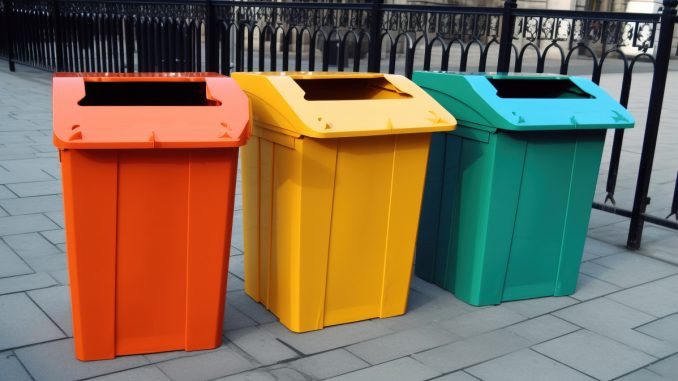
Moreover, trained waste specialists are familiar with the colour-coded systems used in healthcare and care home environments. For example, orange bags for infectious waste, yellow for hazardous waste, and black for general rubbish. Working with professionals means these protocols are consistently followed, reducing the risk of contamination or regulatory breaches.
The Benefits of Professional Waste Disposal Services
One of the main advantages of partnering with a specialist waste provider is the added assurance of compliance. These companies are licensed to transport and dispose of clinical waste safely and are regularly audited to maintain high standards. This level of oversight gives care home managers peace of mind that their operations are legally sound and environmentally responsible.
Enhanced Safety and Hygiene
Professional waste management reduces the likelihood of cross-contamination and helps maintain strict hygiene standards. Scheduled collections and secure containers prevent waste from accumulating, which is especially important in residential settings where vulnerable people live.
Cost Efficiency and Reliability
While some managers worry about the cost of professional services, the reality is that efficient collection schedules and proper segregation often reduce overall costs. Regular audits can highlight areas where waste could be minimised or recycled, cutting down disposal fees. In addition, reliable service providers ensure there are no disruptions: collections happen on time, keeping care environments clean and compliant.
Supporting Sustainability Goals
Sustainability is a growing priority for care homes. Many professional waste providers now focus on recycling and energy recovery, ensuring less waste ends up in landfill. Working with an environmentally conscious provider allows care homes to demonstrate their commitment to sustainability, which can also appeal to families choosing care services for their loved ones.
For instance, by introducing recycling schemes and better segregation practices, care facilities can divert a large proportion of their waste away from landfill. Not only does this help reduce the home’s carbon footprint, but it also supports the wider health of the community and the planet. Sustainability initiatives can enhance any organisation’s reputation while driving meaningful environmental impact.
Building a Sustainable and Safe Future for Care Homes
Creating a robust waste management plan is about fostering a culture of care and responsibility within the workplace. Educating staff about correct waste segregation and ensuring all employees are familiar with disposal procedures are key steps in maintaining safety and efficiency.
Regular training sessions can make a big difference, ensuring everyone knows which bins to use and why proper segregation matters. Clear signage and colour-coded labels can also help prevent mistakes, particularly in busy environments.
Additionally, when reviewing waste management strategies, care home managers should look for opportunities to improve sustainability. Switching to eco-friendly cleaning products, reducing single-use plastics, and working with partners that prioritise recycling are all positive steps forward.
Ultimately, waste management in care homes is about more than meeting legal obligations. It’s about protecting the health of residents, ensuring staff safety, and contributing to a cleaner environment for future generations. With the right facilities can operate with confidence, knowing they are doing the right thing for their people and the planet.
Effective waste management is an essential yet often overlooked part of running a successful care home. By partnering with professional providers and prioritising sustainability, care facilities can not only maintain compliance but also enhance safety, efficiency, and environmental responsibility.
Image – Vecteezy.com