
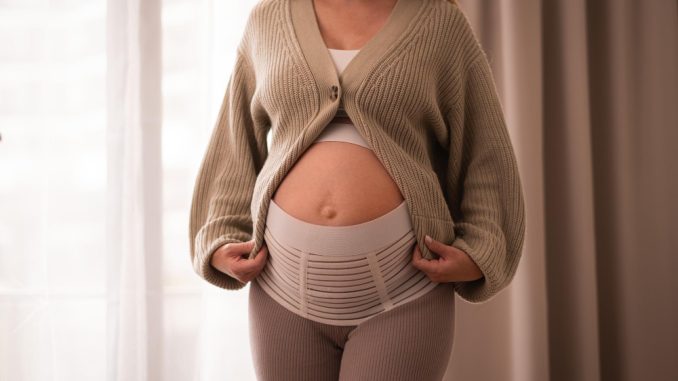
The NHS pregnancy support belts are designed to help pregnant women overcome back, hip and pelvic pains as the bump grows. The pregnancy-related weight gain and postural change might place extra strain on your lower back and abdominal muscles, and hence make it harder to move around on a daily basis. A support belt can be utilized to relieve this pressure by lifting your belly slightly and stabilizing it, particularly in the later trimesters. Be it an NHS-provided belt or a reliable but not exactly cheap option, understanding how these belts operate can bring you a lot of relief and ease during pregnancy.
What Is the NHS’s Advice on Pregnancy Support Belts?
According to the NHS, pregnancy support belts may be beneficial during pregnancy, as long as they are used correctly, especially where there is pelvic girdle pain (PGP) or lower back pain. The belt is supposed to flatten and stabilize the lower spine joints and pelvic joints. Nevertheless, NHS physiotherapists insist that a belt should not be applied as the only treatment. Rather, it ought to be part of a more holistic management strategy comprising exercise, posture awareness and physiotherapy.
The NHS also reports that not all expectant individuals need support belts. In case of mild discomfort, lifestyle changes, including supportive footwear, no heavy lifting, and good posture, can be sufficient. In case of more persistent pain, a physiotherapist will be able to evaluate whether a maternity support belt can be used in your case and properly fit it on so that it cannot be over-relied upon and be used improperly.
 Can You Get a Maternity Belt Through the NHS?
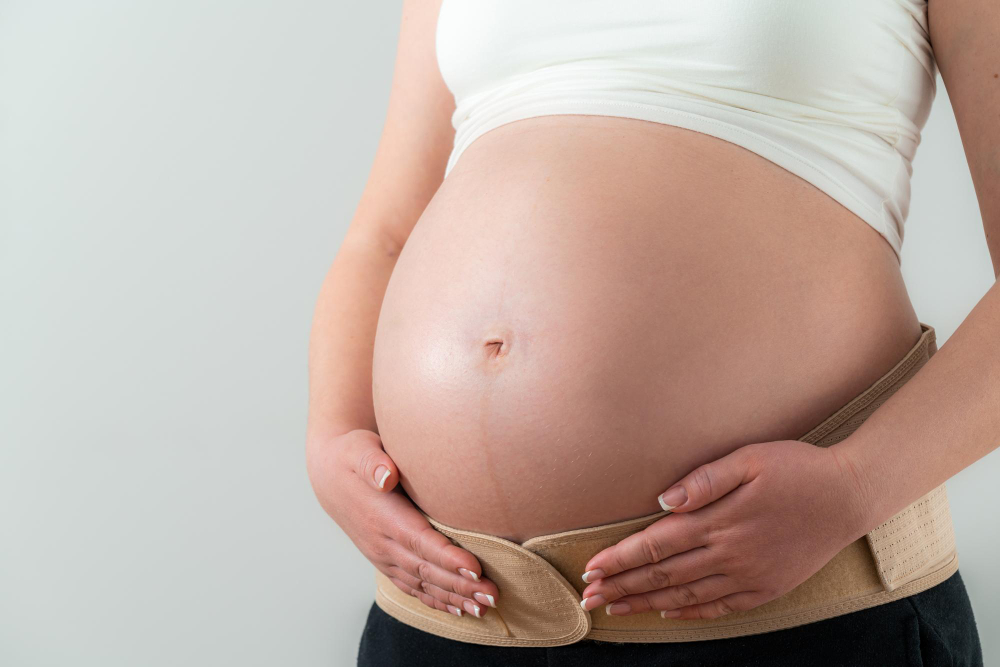
A maternity support belt may also be available to you in specific situations through the NHS, but this depends on your local trust and your specific case. In case your midwife or GP believes that you might require a support belt to manage your symptoms, they may refer you to a physiotherapist, who may give you one or direct where to get one.
The belts given by the NHS are usually prescribed to women who are at serious pains in the pelvis or the back and not as a general pregnancy belt. The availability also differs by regions, and therefore, in case of doubt, you can always ask your midwife or local maternity unit whether they can provide one.
And in case an NHS belt is unavailable to you, many women buy a commercial maternity support belt that is also similar in benefits. As an example, the Momcozy pregnancy belly band offers an adjustable cover to the lower back and abdomen, which replicates the design and role of NHS-approved designs but can be used at home.
Managing Pelvic Girdle Pain (PGP) with Support
Pelvic Girdle Pain (PGP) is a condition that occurs in one out of five pregnant women and may present itself in the lower back, hips, and the entire pelvis. NHS emphasizes the importance of early intervention because symptoms may become more severe during pregnancy when ignored.
Belts that are supportive may come in handy with regard to alleviating pressure on the sacroiliac joints, which in most cases tend to be the primary cause of pain. They assist in stabilizing the pelvis and inhibiting the painful movement of joints. Nonetheless, the NHS suggests that the belt use should be supplemented with other measures, including:
- Physiotherapy: Your physiotherapist can guide you to perform some exercises to make your core, glutes and pelvic floor stronger.
- Posture adjustments: Do not bend and keep your knees straight in getting out of bed or a car.
- Rest and activity balance: Moving around, like swimming or prenatal yoga, can help, but do not overdo it.
- Heat or ice: Adding some warmth to aching muscles or ice to aching places might help.
You can also have other aids prescribed by your health professional, such as crutches or even a visit to a specialist clinic, in case you still feel pain even after all the above have been done.
How to Use a Pregnancy Belt Safely
The NHS states that support belts are not bad, but they should be used properly and not daily. Overuse of a belt may cause weakness in your muscles. Some of the key safety measures as per the NHS requirements are as follows:
- Fit matters: The belt must be tight, but not too tight. It should not press against your bump or pelvis, or restrict breathing or circulation.
- Wear it for limited periods: Wear it when you are performing some painful exercises, like walking or standing for long durations of time, and then remove it when you are resting.
- Avoid wearing it while sleeping: It is better to have pillows all around the body rather than a belt.
- Pair it with movement: Keep on with the light strengthening exercises recommended by your physiotherapist.
In case of tingling, numbness, or additional pain, take off the belt and contact your healthcare provider.
Other NHS Tips for Pregnancy Back and Pelvic Pain
Besides the use of support belts, the NHS also proposes a few other ways of reducing back and pelvic pain during pregnancy in a natural way:
- Stay active: Light exercises, e.g., swimming or walking, can keep the muscles in good shape as well as enhance posture.
- Mind your posture: Straighten your back and make your knees straight, and evenly distribute the weight between both legs.
- Sleep support: Have a pillow between your bump and between your knees to make sure that your spine is in place.
- Use heat wisely: Heat packs or warm baths can be used to loosen tight muscles (avoid applying heat directly to your abdomen).
- Footwear choices: Wear flat, supportive shoes to have less pelvic and back strain.
Imagine that you have pain that influences your walking, sleep, or daily activities. The NHS, in that case, promotes the early use of physiotherapy support and education can be of great importance in the management of symptoms and in the prevention of the aggravation of the pain.
Conclusion
The NHS pregnancy support belt might prove to be a useful aid in alleviating back and pelvic pain, especially when a person has to cope with PGP or lower back pain. Nevertheless, NHS guidance is clear that it should be used in combination with a balanced treatment with physiotherapy, good posture, and gentle activity. Although the NHS may be unavailable, a commercial alternative such as the Momcozy pregnancy belly band can deliver similar relief with proper usage. Ultimately, it is important to listen to your body and be active (within your limits) and seek medical assistance when necessary to make your pregnancy experience more comfortable and supported.
—
Images: Freepik.com