
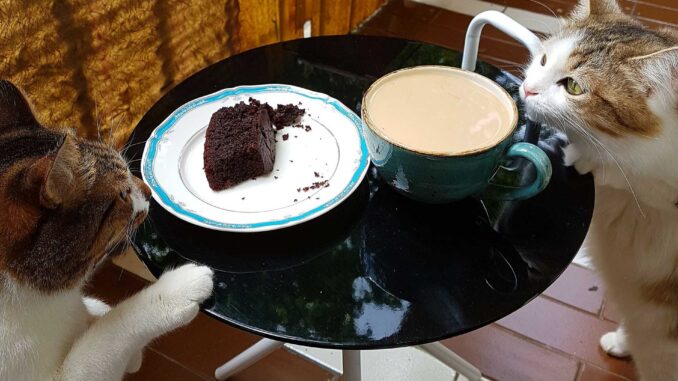
It’s easy to want to share your meal with the pet that sits beside you every night, staring up with those huge, hopeful eyes. Still, not every human kitchen leftover is good for them, and some dishes can make animals sick or worse (source: Fuzzball). Knowing which snacks are safe and which to toss in the trash can keep your dog or cat feeling great for years.
Choosing a trusted pet food supplier with high-quality ingredients is a safe way to ensure your pet is receiving all of their nutrients.
This guide lists everyday foods, explains the hazards, and shows you simple ways to treat your companion with no risk at all.
Which Human Foods Are Safe for Pets?
Plenty of ordinary groceries are fine for pets in small portions, especially plain lean meat (unseasoned) and a few fruits and vegetables.
Lean Meats
Cooked chicken, turkey, and lean beef without seasonings or bones are usually fine in small pieces. They give your pet a good protein boost, but it’s important to skip fatty cuts and processed options like ham or bacon.
Certain Fruits and Vegetables
Carrots, blueberries, apples without seeds and green beans make nice snacks in moderation. Wash the produce well and slice it small to avoid choking.
What Human Foods Are Dangerous for Pets?
Most pet owners know chocolate is a big danger, but several other common foods can also make your pet sick:
Chocolate
Chocolate packs theobromine, a chemical that dogs and cats struggle to break down. The darker the chocolate, the more theobromine it has, so dark chocolate is especially risky.
Grapes and Raisins
Your pet shouldn’t eat any grapes or raisins as these can cause damage to their kidneys. If your pet eats a lot or has a bad reaction, their kidneys can fail.
Onions and Garlic
All forms-whether raw, fried, powder, or cooked-can ruin red blood cells and lead to anemia. That includes onion rings, garlic bread, or anything with this seasoning.
Why Some Pets React Differently to the Same Food
Each pet is different, and age, breed, size, and health weigh into how they handle new foods. What sits fine with one dog may give another an upset tummy, itchy skin, or worse. When trying something new, offer just a tiny bit, wait, and look for signs like vomiting, diarrhoea, or dull energy.
Why Choose Quality Pet Food?
Choosing quality pet food that offers high nutrients, no fillers or other nasties means that your furry friend is receiving the utmost attention for their health. Finding a good quality pet food supplier can encompass reading the ingredients label carefully to ensure only natural and nutritious ingredients; but also checking online reviews of those brands. Look for a brand that offers transparency and no additives.
What to Do If Your Pet Eats Something Harmful
Realising your dog or cat has snacked on something dangerous, like chocolate or grapes, can be scary, but staying calm and gently securing them in a quiet space will help you think clearly while you call your vet for the next steps.
Stay Calm and Assess
Quickly estimate how much they ate and when, then note any unusual behaviour so you can explain it clearly; this information helps your veterinarian decide the best course of action.
Call Your Vet or Pet Poison Helpline
Don’t wait for vomiting, lethargy, or other signs because early, expert advice often makes the difference between a minor scare and a serious emergency.
Avoid Home Remedies Without Guidance
Pouring milk, forcing vomit, or trying other tricks usually does more harm than good, so follow only the instructions your veterinarian gives you.
—
Image: Freepik