
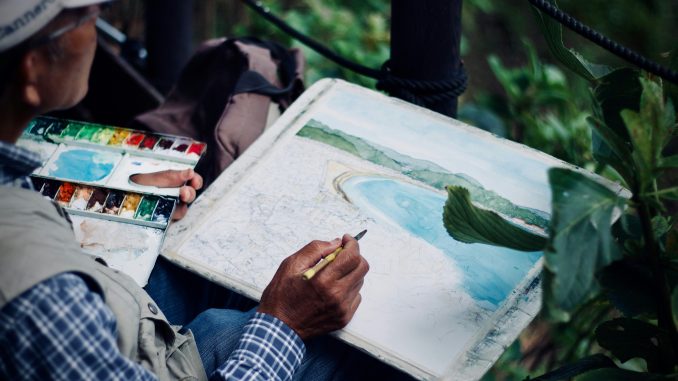
More adults are turning to painting, drawing, pottery and other creative hobbies as a way to manage stress, with many choosing a paintbrush over traditional mindfulness exercises.
As conversations around burnout and wellbeing continue, experts say creative activities are becoming an increasingly popular form of self-care because they offer many of the same benefits as meditation without requiring people to sit still or clear their minds.
The shift comes as growing numbers of people look for alternatives to mindfulness apps and formal meditation routines, which can feel difficult to maintain in busy everyday life.
Matt Smith, canvas board expert at Loxley Arts, says creative hobbies provide a more accessible route into mindfulness because they naturally draw attention to the present moment.
“A lot of people like the idea of mindfulness, but they can struggle with the expectation that they need to switch off completely or stop their thoughts,” he says.
“Creative activities give your mind something constructive to focus on instead. You’re concentrating on colours, shapes, textures or techniques, which naturally brings your attention back to what’s happening right now.”
Experts point to the concept of “flow” as one reason creative hobbies are proving so effective. Flow describes a state of deep concentration where people become fully absorbed in an activity and lose track of time.
“When you’re fully engaged in a painting or drawing, you’re not thinking about tomorrow’s deadlines or replaying stressful moments from earlier in the day,” says Matt. “Your attention is focused on the task in front of you, which can create a sense of calm that feels very similar to mindfulness.”
Research has also linked creative activities with lower stress levels and improved emotional wellbeing. Studies suggest that even short periods spent making art can help reduce stress while encouraging the release of chemicals associated with positive mood and reward.
According to Matt, art can also help people process emotions in a way that doesn’t rely on words.
“Art gives people a healthy outlet for thoughts and feelings that can be difficult to express,” he says. “Sometimes creating something can help you work through what’s on your mind without needing to analyse every detail.”
Another factor driving the trend is the growing desire to disconnect from screens.
With many adults spending their working day in front of computers before switching to phones, tablets and televisions in the evening, hands-on hobbies offer a welcome change of pace.
“We spend so much time consuming content that people are craving opportunities to make something instead,” says Matt. “Creative hobbies feel tangible and real. They allow people to focus on one thing at a time, which is something many of us don’t do very often anymore.”
Unlike passive forms of relaxation, creative hobbies also provide a sense of accomplishment.
“Whether it’s a painting, sketch, pottery piece or craft project, you’ve created something that didn’t exist before,” Matt explains. “That feeling of progress can be incredibly rewarding and can help boost confidence over time.”
The appeal may be particularly strong among people who have struggled with traditional mindfulness techniques.
“Not everyone connects with meditation apps or guided breathing exercises, and that’s completely normal,” he says. “Art offers another way to experience many of the same benefits. You don’t need special skills or expensive materials. The value comes from the process of creating.”
As more adults search for practical ways to manage stress and improve their wellbeing, experts believe creative hobbies will continue to grow in popularity.
For many, the answer to modern-day stress may not be downloading another app, but picking up a pencil, paintbrush or pottery wheel and giving themselves permission to create.