
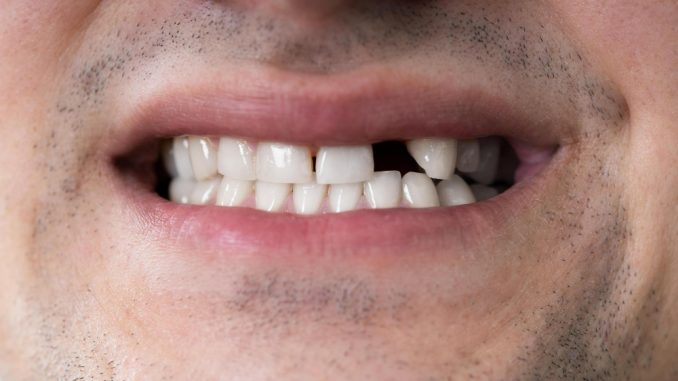
Losing a tooth affects more than appearance. It can influence how you eat, speak and feel in social situations. For many adults, the gap left behind becomes a daily reminder of change that extends beyond the physical.
Cost is often the factor that causes hesitation. Fees vary across the UK depending on location, materials used and clinical complexity. A single implant-supported replacement may range between £1,400 and £3,500, while full-arch rehabilitation can reach £25,000 or more. Additional procedures, including bone grafting or sinus elevation, may increase the overall figure.
Understanding these cost variables supports balanced decisions about oral health and overall wellbeing. NHS access to implant treatment remains restricted to specific medical cases, meaning most adults consider private options.
How Missing Teeth Reshape Daily Social Interactions
Visible tooth gaps can alter confidence during everyday communication. This is particularly noticeable in professional environments where facial expression and clarity of speech shape first impressions. Even a single missing front tooth may change how someone feels they are perceived.
Speech patterns can shift. Sounds such as s and th depend on contact between the tongue and teeth. When teeth are absent, pronunciation may change subtly. Some individuals respond by limiting open laughter or smiling less in group settings.
Over time, avoidance behaviours can become habitual. Covering the mouth while speaking, turning slightly away in photographs or choosing less visible seating positions may seem minor adjustments. Collectively, however, they can influence social ease and personal confidence.
Emerging research on dental shame and oral health behaviour indicates that embarrassment linked to visible dental changes can influence how individuals engage in conversations and social settings. Feelings of self-consciousness may lead to delayed care and reduced social participation. Over time, this pattern can reinforce avoidance behaviours and affect both personal confidence and professional interaction.
The Physical Chain Reaction of Untreated Tooth Loss
When a tooth is not replaced, the jawbone beneath it may begin to shrink. A healthy tooth root stimulates the surrounding bone during chewing. Without that stimulation, bone density can reduce within months.
As bone volume decreases, structural changes may follow. The lower face can appear less supported. Neighbouring teeth may drift into the empty space, altering alignment. Bite pressure may redistribute unevenly, increasing wear on remaining teeth.
These structural shifts can complicate oral hygiene. When teeth move from their original positions, cleaning becomes more difficult. Plaque accumulation, gum inflammation and decay risk may increase. Tooth loss therefore carries functional consequences beyond aesthetics.
For individuals evaluating long-term replacement options, cost assessment forms part of structured treatment planning. Detailed provider guidance on how much do Dental Implants cost typically outlines how case complexity, diagnostic imaging, surgical stages and restorative design influence overall fees. Reviewing clinician-specific frameworks supports realistic financial planning within the context of UK private care.
Nutritional Compromises Beyond Obvious Restrictions
Chewing efficiency affects food selection. Hard or fibrous foods, including certain vegetables, fruits and proteins, may become difficult to manage. Individuals may gradually avoid these foods without recognising the long-term impact. Over time, meals can become softer, more processed and lower in nutritional value.
Reduced chewing capacity can also influence portion control. People may eat more slowly or avoid shared meals that require effort to manage certain textures. Social eating experiences may become less enjoyable, reinforcing limited food choices. These small adaptations can accumulate and shape dietary habits in subtle ways.
Inadequate chewing can influence digestion and nutrient absorption. Reduced intake of protein and fibre may affect overall health. Bone density, immune resilience and metabolic stability all depend on balanced nutrition. Oral function therefore connects directly to broader physical wellbeing.
Psychological Effects That Extend Beyond Appearance
Tooth loss can influence emotional wellbeing. The effect is not solely aesthetic. Adults with multiple missing teeth may report reduced confidence, increased self-consciousness or lower mood. NHS frameworks such as the clinical guide for dental anxiety management recognise that embarrassment, fear and avoidance behaviours can reinforce one another, shaping how individuals engage socially and how they approach dental care.
Self-perception may shift gradually. Individuals may become more aware of how they speak, smile or present themselves in photographs. This heightened awareness can create tension in situations that previously felt routine. Over time, the effort to manage appearance may become mentally exhausting.
Career progression may also feel affected. Individuals in leadership or client-facing roles sometimes feel that visible tooth loss alters how they are perceived. Public speaking confidence may decline. Some people avoid social or professional opportunities as a result.
When tooth loss occurs before later adulthood, identity concerns can emerge. Changes in appearance may feel premature. Withdrawal or reduced engagement can be misunderstood by others, adding to feelings of isolation. Recognising these emotional responses as valid can help individuals seek appropriate clinical or psychological support rather than internalising the experience.
Replacement Options and Their Impact on Wellbeing
There are three principal methods for replacing missing teeth: removable dentures, fixed bridges and implant-supported restorations. Dentures are removable and generally represent the lowest financial outlay. Bridges are fixed solutions supported by adjacent teeth.
Implant-supported restorations differ because they replace both the visible crown and the underlying root. Replacing the root helps preserve bone density and maintain jaw stability. This structural preservation supports long-term facial balance and chewing efficiency. Broader wellbeing research on chewing food properly highlights its role in digestion and nutritional stability, reinforcing why effective oral function remains closely linked to overall health.
When people search online using phrases such as dental implants near me, the motivation often reflects concern about stability, longevity and preventing further structural change. Replacing a missing root can help slow bone reduction and maintain alignment of neighbouring teeth.
Recovery time varies according to treatment complexity. Straightforward single-tooth cases may progress over several months from placement to final restoration. Situations requiring grafting procedures may extend overall treatment duration.
Considering Long-Term Wellbeing
Choosing whether to replace a missing tooth involves more than cosmetic preference. Structural health, nutritional adequacy and psychological comfort all contribute to overall wellbeing.
Preserving bone support can protect facial structure over time. Restoring chewing efficiency may widen dietary choices. Improved speech clarity can enhance communication confidence.
Any decision about replacement should involve realistic expectations. Clinical assessment typically considers oral health status, bone availability and long-term maintenance requirements. Transparent discussion supports informed decision-making without unnecessary intervention.
Untreated tooth loss can influence daily life in persistent ways. Proportionate replacement, when clinically appropriate, may restore function and support renewed confidence. Long-term oral stability remains closely linked to broader physical and emotional wellbeing.