
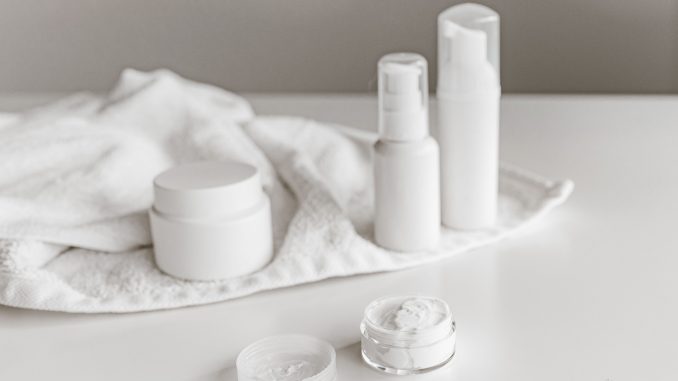
Bathrooms may seem like the most convenient place to keep skincare and beauty products, but experts warn that the environment can significantly reduce product stability, effectiveness, and even safety over time.
With daily fluctuations in heat, humidity, and moisture exposure, many bathrooms create conditions that accelerate cosmetic degradation far faster than consumers realise.
The cosmetic safety assessment experts at Cosmetic Safety Solutions explain why certain beauty products should not be stored in bathrooms, and how storage conditions can directly affect product lifespan and safety.
Why bathrooms create challenging conditions for cosmetics
“Bathrooms are one of the least stable environments in the home for storing cosmetic products because they are exposed to constant fluctuations in temperature and humidity.
“Every hot shower or bath temporarily increases heat and moisture levels in the air, and over time these repeated environmental changes can impact formulation stability and preservative performance.”
Why storage conditions matter for product safety
“Cosmetic formulations are carefully developed and tested under specific storage conditions. Excessive heat, humidity, and repeated exposure to moisture can destabilise ingredients and, in some cases, increase the risk of microbial contamination.
“This is particularly important for products that contain water, as water-based formulations are naturally more vulnerable to bacterial or fungal growth if preservation systems become compromised.”
Why some products degrade faster than others
“Certain active ingredients are especially sensitive to environmental conditions.
“Vitamin C serums, for example, are highly prone to oxidation when exposed to heat, light, and air. This can cause the formula to degrade more quickly, reducing both effectiveness and overall product stability.
“Consumers may notice changes in colour, smell, or texture, but degradation can begin before those signs become obvious.”
Natural and preservative-light products can be more vulnerable
“Products marketed as ‘natural,’ ‘preservative-free,’ or containing minimal preservatives may be particularly sensitive to bathroom storage conditions.
“While consumers often associate fewer preservatives with cleaner formulations, preservatives play an important role in protecting products from microbial growth during everyday use.
“If these products are stored in warm, humid environments, their safe usage window may shorten considerably.”
Powders and creams face different stability risks
“Not all cosmetic products react to storage conditions in the same way.
“Powder-based products such as pressed powders or powder blushes generally carry lower microbial risks because they contain very little water.
“Creams, serums, and liquid products are typically more vulnerable because their water content creates an environment where microorganisms can survive more easily if preservation systems weaken over time.”
How consumers can store products more safely
The experts at Cosmetic Safety Assessment advise consumers to:
- Store skincare and cosmetics in cool, dry environments where possible.
- Keep products away from direct sunlight and heat sources.
- Avoid leaving products open in humid bathrooms for extended periods.
- Pay close attention to changes in colour, smell, or texture.
- Follow Period After Opening (PAO) guidance on packaging.
“Consumers often focus heavily on ingredients and product claims, but storage conditions are an equally important part of cosmetic safety.
“Even well-formulated products can degrade faster if they are consistently exposed to heat, humidity, and moisture over time.”