
For decades, holidays were often viewed as a way to switch off, see new places and enjoy a break from everyday life.
Today, many travellers are looking for something more.
According to recent statistics, the global wellness tourism market is now worth more than $1 trillion, showing a growing shift in how people think about travel.
Rather than just looking to tick destinations off a bucket list, increasing numbers of travellers are choosing holidays that help them sleep better, reduce stress, reconnect with nature and return home feeling healthier than when they left.
Why wellness travel is booming
The rise of wellness tourism comes at a time when many people are actively looking for ways to improve both their physical and mental health.
Stress, burnout and poor sleep have become common, especially among working people.
While wellness was once associated with luxury spa resorts, today’s travellers are looking for more.
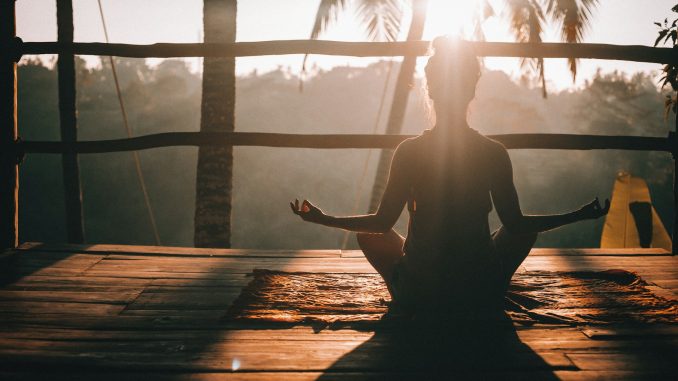
For some, wellness travel means spending a week hiking through mountain landscapes. For others, it might involve yoga retreats, meditation programmes, thermal spa experiences or simply escaping busy routines for a slower pace of life.
The goal is no longer just to get away. It is to come back feeling better.
The rise of sleep tourism
One of the fastest-growing areas within wellness travel is sleep tourism.
With more than half of adults reporting that they regularly struggle to feel well-rested, many hotels and resorts are responding by placing sleep at the centre of the guest experience.
From sleep-focused suites and wellness programmes to blackout rooms, customised bedding and more, destinations around the world are recognising that quality sleep has become one of the most valuable luxuries modern travellers can find.
Nature is becoming the ultimate luxury
As wellness travel evolves, many travellers are finding that some of the best wellbeing experiences are also the simplest.
Nature-based travel continues to grow in popularity as people look for opportunities to slow down and reconnect with the world around them.
Walking holidays, forest retreats, coastal escapes and countryside stays are increasingly appealing to travellers looking for a genuine mental reset. Research has repeatedly shown the positive impact that spending time in nature can have on stress levels, mood and overall wellbeing.
Rather than spending every moment sightseeing or rushing between new places, many travellers are choosing experiences that allow them to pause, breathe and be present.
Wellness retreats offer more than relaxation
Wellness retreats have also changed a lot in recent years.
While spa treatments are still popular, many retreats now offer programmes focused on fitness, nutrition, mindfulness, stress management and personal development.
These experiences appeal to travellers who want to use their time away to build healthier habits, gain perspective or focus on areas of their wellbeing that are often neglected during busy everyday routines.
For some, a wellness retreat provides a valuable reset button. For others, it becomes the starting point for longer-term lifestyle changes.
Travellers want to feel transformed, not just entertained
According to Sarah Mansour, Founder of The Travel Edit by Sarah, the desire to return home feeling genuinely refreshed is something she is seeing increasingly among her clients.
“Over the last few years, I’ve noticed a real shift in the conversations I’m having with clients. People still want beautiful destinations and memorable experiences, but they’re increasingly asking how a trip will make them feel when they come home.
“Many travellers are looking for holidays that help them slow down, improve their sleep, spend more time in nature or simply disconnect from the pressures of everyday life. It’s become much less about fitting as much as possible into a trip and much more about creating space to recharge.
“Whether it’s a wellness retreat, a longer stay in a peaceful destination or a carefully planned escape that prioritises balance and relaxation, people are increasingly viewing travel as an investment in their overall wellbeing rather than just a holiday.”
Travel with purpose
As the wellness tourism market continues to grow, it is clear that travel is evolving.
For many people, the most valuable part of a holiday is no longer the photographs, souvenirs or even the destination itself. It is the feeling they bring home with them.
Whether through better sleep, reduced stress, more time in nature or simply a chance to slow down, travellers are increasingly looking for experiences that support their wellbeing long after the trip has ended.
In a world that often feels busier than ever, that may be the greatest luxury of all.