
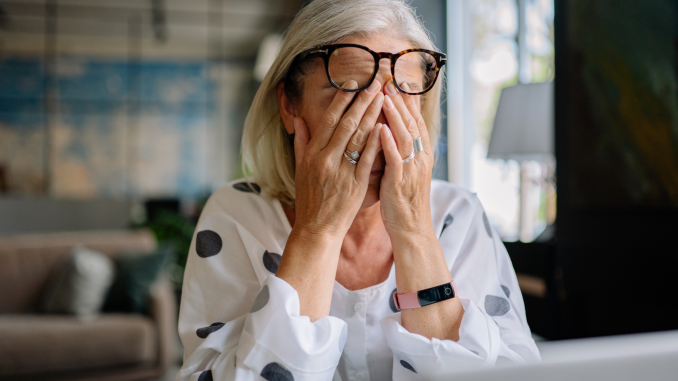
One in three people across the UK report struggling with high or extreme levels of stress. Despite this, many people aren’t sure how to recognise the warning signs or when to take a break.
As part of Stress Awareness Month, Raj Bassi (she/her), CBT therapist at Midland Health, spoke about the importance of knowing when to pause and the ways stress can present itself, to raise awareness of the importance of mental health breaks.
The physical signs of stress
Generally, Stress is thought of as a mental or emotional experience, but it can also affect the body.
Raj explains: “It’s easy to brush off illness as a change in the weather or say it’s due to contact with others, but having frequent headaches, stomach problems, and feeling run-down can actually be stress physically manifesting itself.
“When your body is under stress for a long time, your immune system can feel weaker, making you more susceptible to colds, infections, and fatigue.”
Restlessness
A sense of restlessness is another common sign.
Raj says: “When you’re stressed, it can be difficult to switch off. You may find yourself constantly fidgeting, unable to focus on one task, or feeling a sense of general unease.”
Poor sleep
Sleep is usually one of the first signs of stress.
Raj explains: “Stress can lead to difficulties sleeping through the night or falling back asleep when woken up. Stress causes your mind to be more alert, and the production of cortisol, known as the stress hormone, affects your sleep-wake cycle.”
Over time, poor sleep can make stress harder to manage, creating a cycle that’s difficult to break.
Memory and concentration
Stress can also affect cognitive function.
Raj says: “Having a worse memory than usual is a key sign you may need to take a break, as it’s hard for your brain to make short-term memories when stressed. You might misplace things, forget conversations, or struggle to concentrate on tasks.”
Changes in appetite
“If you’re eating much more or much less than usual, skipping meals or indulging more, it could be a stress response,” Raj explains, “Cravings, especially for sugary or high-fat foods, can also increase, as your body seeks quick sources of energy.”
It’s worth noting that these symptoms can overlap with other health conditions, so if you’re unsure, you should seek professional advice.
Why is it important to take a break?
Recognising these signs is an important first step, but taking action early can help prevent symptoms from escalating.
“Prioritising your mental health isn’t selfish; it’s essential,” Raj explains, “A mental health break can improve your well-being, help prevent burnout, and allow you to maintain a balanced work and social life. It doesn’t have to be a week-long holiday; it can be as simple as taking a step back from a stressful situation and engaging in activities that help you to recharge.“
What are micro-breaks?
But taking regular breaks doesn’t have to be time-consuming. A micro-break is anything from a short walk to meditation to deep breathing that gives you some time to yourself.
Raj says: “Micro-breaks can be really useful to reduce stress, as they’re a way to ground yourself and quietly reset. They’re even better when taken outside, in nature.”
Addressing the causes of stress
It’s also important to understand exactly what causes your stress and work on it at the source. Common stressors include financial pressures, work-related or relationship issues, and health problems.
By understanding what causes your stress, you can address these issues, alone or, preferably, with the help of a professional.
Early support can make a significant difference, both in reducing symptoms and preventing longer-term impact.
