
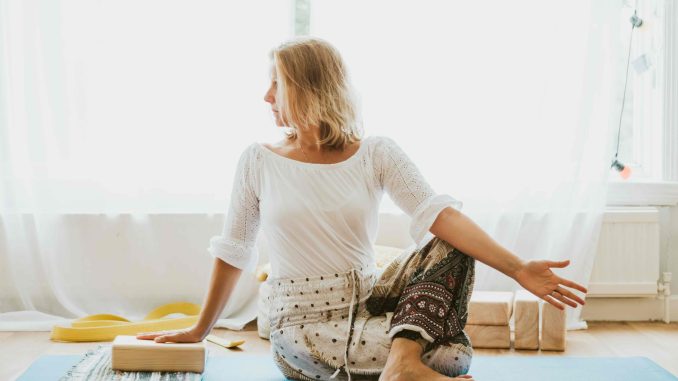
Brits are ditching brutal bootcamps and punishing HIIT classes in favour of a gentler way to get fit, with “soft-core” wellness now twice as popular as hardcore health kicks.
New research from Platinum Spas’ annual Wellness Trends Report reveals that a third of adults are choosing a softer approach built around sustainable, low-intensity habits. That’s compared to just one in six who are still chasing fast and sometimes extreme results – with women driving this trend!
Think regular walks, yoga flows and pilates sessions instead of marathon training, spin classes and military-style circuits. Alongside slow movement, this health trend sees participants adding home spa rituals, ice baths and early nights, for a more balanced approach to wellness.
When asked what wellness practices Brits would most like to try this year, softer, more holistic and sustainable options were the most popular, alongside tools to help personalise routines.
The top 8 wellness trends among Brits
-
Slow or soft movement e.g. walking, pilates, yoga
-
Hot and cold water therapies
-
At-home spa and recovery practices
-
Habits and routines to improve circadian rhythm
-
Using AI to create personalised diet plans and fitness routines
-
Digital detoxing and reduced screen time
-
Wearable technology and devices to inform
-
Body-led somatic healing e.g. soundbaths, breathwork and vagus nerve stimulation
Experts say that this trend towards a soft approach reflects a growing focus on longevity, hormone health and mental wellbeing, with many Brits looking to avoid burning out.
Sarah Gilbertson, Therapeutic Coach and Founder of FlourishWell Coaching, told Platinum Spas Hot Tubs,
“The language of ‘hard’ versus ‘soft’ can be misleading. Movement isn’t only about intensity – it’s about what your body and nervous system need at a given point in time.
“Much of modern fitness culture has centred on pushing harder and chasing measurable outcomes. But female physiology isn’t linear. Energy, recovery and tolerance for intensity shift; influenced by sleep, stress, hormones and life load. Anyone who moves regularly will recognise this. Some days you will feel strong and capable; yet the same activity on another day can feel more effortful. That isn’t weakness, it’s context.”
“Training that allows for variation tends to support better adaptation, longer-term consistency and enjoyment.”
Why women are embracing soft-core wellness
More women than men are choosing soft-core wellness (38% compared to 27%), and it’s no surprise. Sarah explains,
“What’s being described as ‘soft’ is often simply more responsive movement. Muscle mass and bone density respond to load, but recovery capacity influences how well that load is tolerated. Hormonal shifts, whether cyclical or transitional, can affect perceived effort and recovery speed.
“The conversation isn’t about less or more, it’s about what’s appropriate for you at a given moment in time. Strength work, walking, Pilates, yoga, mobility and restorative practices all place different demands on the body. An integrative approach recognises that physical load, emotional bandwidth and hormonal shifts are intertwined. When movement reflects both physiology and life context, it becomes something you can sustain. And sustainability is what supports long-term strength and health.”
Sarah shares 5 benefits of a ‘softcore’ approach to wellness
-
Strength remains essential: Muscle mass and bone density respond to load across the lifespan. Resistance training continues to matter, but it works best when matched to recovery capacity.
-
Recovery is part of adaptation: The body strengthens in response to load, but that change happens during recovery. Including lower-intensity and restorative sessions supports resilience over time.
-
Physiology isn’t static: Hormones, sleep, stress and life demands all influence perceived effort and recovery speed. Adjusting intensity accordingly reflects awareness, not inconsistency.
-
Connective tissue needs time: Ligaments and tendons adapt more slowly than muscle. Mobility and controlled strength work support joint health alongside performance.
-
Consistency builds structural change: Bone, muscle and connective tissue strengthen through progressive exposure to load over time. The movement practice you can sustain, and ideally, enjoy, will outperform one that is extreme but short-lived.
What’s clear is that Brits are reassessing what works for them personally and what will actually deliver results long-term. Sustainable movement, better sleep and lower stress levels are increasingly taking priority over extreme transformations. For many, a softer approach simply feels more realistic and easier to maintain.
For further information, read the full 2026 Wellness Report.
