
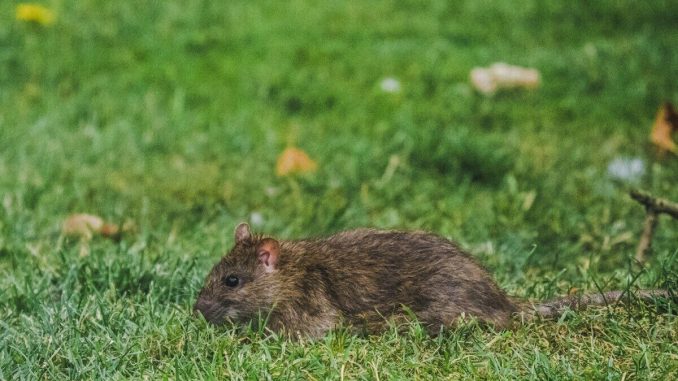
Searches for “rat trap” have climbed sharply across the UK as households look for ways to tackle unwanted rodent problems, with experts warning that many people may unknowingly be encouraging rats onto their properties through everyday habits.
According to research analysed by Rainbow Rubbish Removals, searches for “rat trap” reached 32,000 in the past month — a rise of 13 per cent month-on-month.
The increase suggests growing concern among homeowners, particularly as warmer weather encourages more outdoor activity, barbecues and garden use.
However, rubbish removal expert Miroslav Radov says traps are often only dealing with the symptom of a larger issue, with many infestations beginning because properties unintentionally provide food, warmth and shelter for rodents.
Miroslav from Rainbow Rubbish Removals said:
“Searches for rat traps rising shows people are noticing the problem and trying to act, but traps are often a reaction to something that has already started.
“What many people do not realise is that rats do not need a home to be filthy to become interested in it. They are looking for three things: food, warmth and somewhere safe to hide. If your garden, shed, bin area or outdoor space gives them any of those, they may come closer.
“This is not about frightening people. Rats are common, especially in towns and cities, and many households will deal with them at some point. The important thing is to remove the things that make your property attractive to them before it becomes a bigger issue.”
Among the biggest hidden attractors are bird feeders, pet food and poorly managed compost bins.
Miroslav explained that while bird feeders are popular with wildlife lovers, fallen seed beneath them can quickly become a reliable food source for rats.
He said:
“Bird feeders are lovely for birds, but the seed that drops underneath can become a regular food source for rats. If the same spot is providing food every day, rats will learn to come back.
“The feeder itself is not always the problem. It is the build-up underneath it.”
Pet food left outdoors overnight can also encourage rodent activity, particularly in gardens, garages and sheds.
Miroslav added:
“Rats have a strong sense of smell. A dog bowl with a few leftovers in it, or a torn bag of pet food in the garage, can be enough to draw them in.
“Pet food should be treated like human food waste. If it is accessible, it can attract pests.”
Other common issues include cluttered sheds, overflowing recycling, barbecue grease and overgrown gardens which provide rats with safe hiding places and routes around a property.
Miroslav warned that cluttered garages and sheds can create ideal nesting spots for rodents.
He said:
“A cluttered shed is perfect for rats because it gives them cover. Old cardboard, fabric, broken furniture, bin bags and forgotten garden items can all create nesting spots.
“The more undisturbed an area is, the more appealing it becomes.”
Outdoor dining areas can also contribute to the problem during summer months.
Miroslav said:
“People clear the plates and wipe the table, but they often forget the grease tray, crumbs under decking or dropped food behind outdoor furniture.
“To a rat, even small amounts of grease or food are worth coming back for.”
Experts recommend keeping bins sealed, rinsing recycling before storage, clearing clutter from sheds and garages, and checking for gaps around decking, fencing and outdoor structures.
Households are also being urged not to ignore warning signs such as scratching noises, droppings, chewed packaging or greasy marks along walls.
Miroslav concluded:
“People should not feel embarrassed if they spot signs of rats. They are incredibly good at finding small opportunities, and it does not always mean someone has done something wrong.
“But once you understand what attracts them, you can make simple changes. If something gives rats food, warmth or somewhere to hide, remove it. A tidy garden, sealed bins and clear outdoor areas can make a much bigger difference than people realise.”