
Gentle Grip and Diabetes UK are offering advice and support to help people with diabetes to protect their feet. Having diabetes can increase the risk of developing foot problems, especially in warm weather, but everyday care can help keep feet protected.
In a new collaborative guide – by the UK’s leading diabetes charity, Diabetes UK, and Gentle Grip, a nationwide retailer of specialist comfort socks – all about the importance of effective foot care for people with diabetes, an expert at the charity has shared some essential advice for the summer season.The guide first addresses why foot care is especially important for people with diabetes, with Natasha Marsland, Senior Clinical Advisor at Diabetes UK, stating:
“If your blood sugar levels, blood pressure and cholesterol are consistently high, it can seriously damage the nerves in your feet and stop them working so you might not feel when you’ve cut your foot or burned yourself. This is known as peripheral neuropathy.
“Your blood vessels can also become damaged and can cause problems with blood flow to your feet. If the blood vessels are damaged, known as ischaemia, it can take longer or be more difficult for any wounds to heal.
“Damage to your feet creates an opening for bacteria and infection to get in. So common foot problems such as a blister or a problem with a toe can turn into a serious foot problem or infection if left untreated, and for some people this can lead to amputations.”
As the summer season arrives, it’s even more important for people with diabetes to take care of their feed, as the warmer temperatures can increase the risk of developing foot problems, as Natasha Marsland explains:
“Some people living with diabetes experience foot swelling in hot weather, which makes their shoes fit tighter and may exert blister-causing pressure on the toes and heels. Shoes that don’t fit well, even those that feel comfortable, can cause problems or make existing conditions worse.”
Natasha also offers this advice to help mitigate these risks in the hot weather and to help people with diabetes protect their feet on beach holidays:
- Check your footwear inside and out before putting them on. Make sure nothing sharp like a small pebble or piece of glass has gone through the sole at the bottom of the shoe.
- Choose socks that are made from breathable, moisture-wicking material, like bamboo.
- Avoid walking barefoot, even on the beach. The sand can become very hot, and you may burn your feet without realising it, so wear well-fitting sandals or shoes.
- Avoid wearing ‘flip flop’ type footwear, as this may cause blisters between your toes.
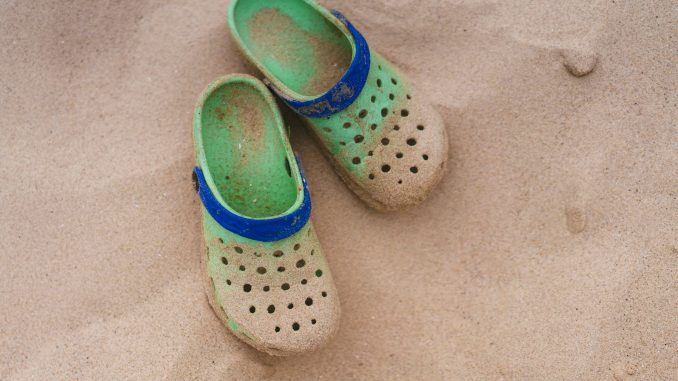
- Wear suitable protective footwear such as plastic shoes or neoprene beach shoes with rubber soles if you go paddling in the sea.
- Moisturise your feet every day using an emollient cream, ideally one with a urea base, to help keep your skin healthy.
- Use sunscreen on your feet to reduce the risk of sunburn. Sunscreen should have a sun protection factor (SPF) of at least 30 and at least 4- star UVA protection.
The full collaborative guide is available here and Diabetes UK also has its ‘Essential Checks’ guide. Here its experts provide additional support and information and stress the importance of an ‘annual foot check’ – which everyone with diabetes is entitled to as part of their annual review.