
The businesses that scale well aren’t usually the ones with the best tech stack. They’re the ones that figured out, early on, that people are the actual product. That sounds obvious. It rarely gets acted on.
I came to bioscience from banking and executive recruitment, which means I spent years watching organisations make the same mistake: treating human capital as a resource to be managed rather than a capability to be developed. The language gives it away – headcount, resource allocation, capacity planning. All of it positions people as variables in an operational equation rather than the reason the equation works at all.
When I moved into running Wellbeing International Foundation, I carried that observation with me. Bioscience is a sector where the temptation to over-index on the science is real and understandable. The work is extraordinary. But organisations fail here for the same reasons they fail anywhere else: poor communication, misaligned incentives, people who feel replaceable.
What human-centred growth actually means in practice is less abstract than it sounds. It starts with listening. There’s a version of “open door policy” leadership that’s mostly theatre, the door is open, but the decisions have already been made. What I mean is something more specific: creating conditions where people feel safe to say the thing that’s uncomfortable, to flag the problem early, to disagree with the direction. That’s what stops small issues becoming structural ones.
Consistency matters too, in a way that’s easy to underestimate. When teams know what’s expected of them, and can trust that expectations won’t shift based on the mood of the week, they stop spending energy on uncertainty and start spending it on the work. That reliability compounds. It creates the kind of stability where people take ownership rather than wait to be directed.
The AI conversation has made all of this more urgent, not less. There’s a genuine anxiety in most organisations right now about what gets replaced and what doesn’t. The answer, if there is one, isn’t to pretend the concern doesn’t exist. It’s to make the human contribution so clearly valued and so well-supported that the question becomes less threatening. Tech amplifies what your team can do; it doesn’t substitute for having a team worth amplifying.
Scaling changes the challenge without changing the principle. When we’ve grown into new markets, the risk isn’t that people in different regions are less capable, it’s that without deliberate effort, they start interpreting the organisation’s mission through their own cultural and professional lenses. Small variations in emphasis accumulate. You end up with teams that are technically working toward the same goal but operating with meaningfully different assumptions about how to get there. The fix isn’t surveillance or micromanagement. It’s clear communication, shared frameworks, and enough trust that people will tell you when something isn’t working.
None of this requires a big HR department or a culture consultant. It requires leaders who are genuinely curious about the people they work with, consistent in how they behave, and honest about what they don’t know.
The startups that I’ve watched fail weren’t short on technology or funding. They were short on the kind of leadership that makes people want to stay.
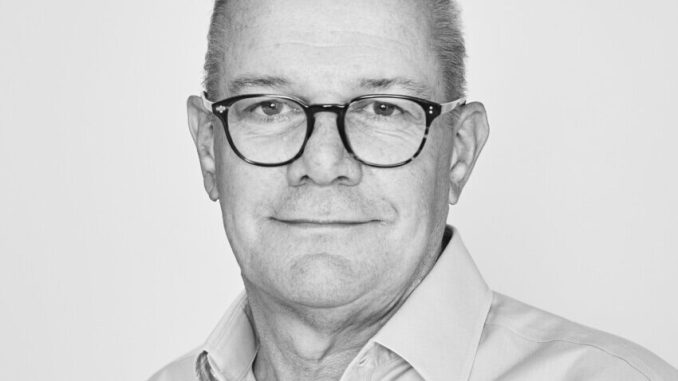
Andrew Chancellor is CEO of Wellbeing International Foundation.