
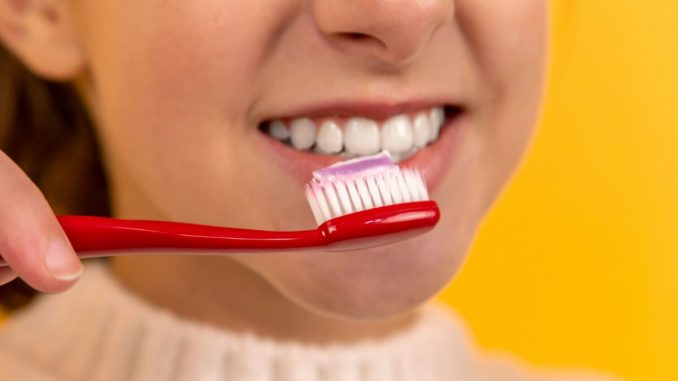
New research reveals the worrying truth about Brits’ brushing habits, with 14 per cent admitting to not brushing their teeth most days, with Millennials (30-45) being the worst offenders, as nearly a quarter (23 per cent) confess to skipping brushing daily. More shockingly, 26 per cent of Londoners say they can go weeks without brushing their teeth.
This bad habit isn’t the only thing Brits are doing; according to a dental expert, Brits are falling foul of many dental myths that could be further damaging their teeth.
According to an expert from Dental Tourism Albania, one of the biggest misconceptions around teeth protection surrounds fizzy drinks, in terms of choosing the zero-sugar option. Research tested soft drinks and sports drinks, sugar-free as well as containing sugar, and they all caused a softening of dental enamel by 30 to 50 per cent, producing measurable loss of tooth surface, with no difference between the two groups of drinks.
Despite this, awareness remains low; an investigation by the Oral Health Foundation found that only 15 per cent of UK adults see oral health as a concern when it comes to food and drink.
By debunking common myths, such as the notion that whiter teeth are healthier and that genetics determines the health of teeth, Dental Tourism Albania aims to help people make more informed choices regarding their oral health.
Marcela Shehu from Dental Tourism Albania said
“Our teeth need to be protected and cared for just like we do for the rest of our bodies, yet many times, oral health is often overlooked and misunderstood. “
“We receive a lot of questions from patients asking what they should and shouldn’t do when it comes to caring for their teeth. Interestingly, most of the questions relate to long-standing myths that we are told, misinformation passed down from childhood, or social media trends. This can be dangerous as most of the oral health advice online can be confusing, contradictory, and sometimes completely untrue.
“As a result, we have many patients arrive at the dentist with issues they could have avoided with the right guidance, from how hard to brush, to the truth about healthy white teeth, to diet choices, all of which, if not understood, can affect long-term dental health.
“Within this list, we have named and shamed some of the most common misconceptions people have about teeth, and what is really best for dental health, to help you make informed decisions and protect your teeth for life.”
For the full report on Britain’s Brushing Habits, please see https://dentaltourismalbania.com/blogs/case-studies/blinded-by-the-lights-britains-obsession-with-the-hollywood-smile.
Here are the eight most common dental myths that Dental Tourism Albania has set straight:
Diet and zero-sugar drinks are better
To drink with no guilt, we turn to zero sugar drinks as a healthier alternative. However, it’s not only the sugar content we should worry about, but it’s also the drink as a whole. The acidity can cause tooth damage. Zero-sugar fizzy drinks can contribute just as much to enamel wear over time as a normal fizzy drink, which can lead to tooth sensitivity, decay, and even loss of teeth.
Sugar is the only reason for tooth decay
Consuming an excessive amount of sugar and processed food increases your risk of developing cavities, but it’s also down to how you care for your teeth. When sugary food is broken down, it provides plaque-producing bacteria that fuels erosion of the surface of your teeth. Despite this, if you do not consume a lot of sugar, it doesn’t mean you’re at less risk of tooth decay; if you fail to look after your teeth in terms of brushing and flossing correctly, this can still cause plaque to build up.
White teeth are healthier
Interestingly, slightly yellow teeth are often the healthiest, despite white teeth being all the rage, as they are seen as clean and healthy. Teeth naturally darken as we age, due to dentin thickening. As our enamel thickness decreases, exposing the darker dentin beneath it, our teeth appear grey or yellow rather than bright white. More importantly, having white teeth doesn’t mean you can dodge the dentist, as white teeth are more likely to hide cavities, gum disease, or hidden decay – and even plaque.
It’s better to brush your teeth right after eating
Another myth that may seem believable is that you should brush your teeth straight after a meal. However, after you’ve eaten, the change of pH level in your mouth makes your teeth temporarily weaker, and brushing can damage the enamel. So you should never brush your teeth straight after, although it may seem tempting, try and wait at least 30 minutes.
Baby teeth aren’t forever, so they don’t matter
This is completely untrue, as baby teeth serve critical functions for children beyond just chewing food. They act as placeholders for future permanent teeth, guide proper jaw development, and help children learn to speak clearly. If baby teeth are not looked after, they can damage the teeth underneath, inevitably leading to painful treatment or extraction due to infections. So it’s important to help children look after their baby teeth to ensure they don’t damage their future teeth.
Mouthwash straight after brushing
The adverts might tell you it’s needed, but using mouthwash straight after brushing rinses away the protective fluoride coating that toothpaste has just applied over your teeth, so you’re effectively undoing its benefits by using mouthwash. Dentists explain fluoride needs time to strengthen tooth enamel, so they recommend waiting at least 30 minutes after brushing your teeth to use mouthwash to make sure you’re not washing away the crucial layer before it can do its job.
Bad teeth are genetic
Stop blaming your parents for your bad teeth! Whilst genetics plays a role in tooth shape, jaw size, and susceptibility to some extent, your dental destiny is in your hands; environmental and personal habits are responsible for your oral health. Even if your family history includes dental problems, proper oral hygiene and regular dental checkups can break the cycle to maintain your own excellent oral health.
Wait to see the dentist until it’s an emergency
In terms of dental health, prevention is vital, as bacteria in your mouth can spread quickly. Keeping your dental hygiene appointments and checkups allows your dentist and hygienist to spot and treat issues before they become worse.