
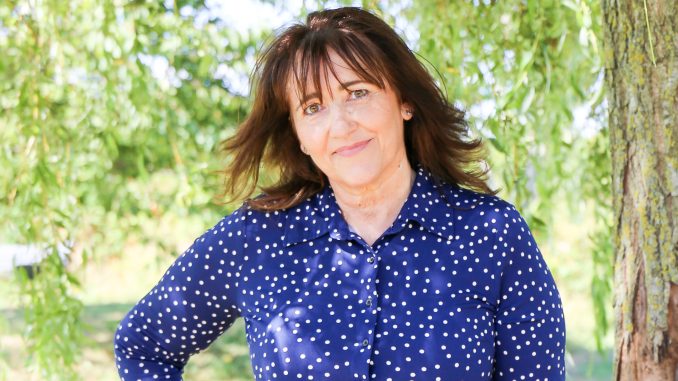
For many women, menopause still arrives with little warning and even less preparation. Despite affecting half the population, it remains widely misunderstood, under-discussed, and too often framed as something to endure rather than understand.
According to menopause doula and educator Fiona Catchpowle, this lack of education is one of the biggest challenges women face during midlife.
“Many people reach perimenopause having never been taught what hormonal change actually looks like,” Fiona explains. “Symptoms are often treated in isolation, without recognising the wider physical and emotional picture.”
Fiona is the founder of The Menopause School, where she trains professionals internationally to support people through menopause and hormonal transitions. Her work focuses on shifting the conversation away from fear and confusion towards clarity, confidence and informed choice.
Moving Beyond a Medical Only Narrative
Medical interventions such as HRT can be life-changing for some, but Fiona stresses that menopause support should not be one-size-fits-all.
In national conversations around menopause, including features in The Guardian and appearances on Sky News, she has highlighted the importance of combining medical knowledge with emotional, social and lifestyle support.
Menopause can affect confidence, identity, sleep, relationships, mental health and performance at work. Without space to talk openly about these changes, many women feel isolated or believe they are failing in some way.
“Menopause is not a breakdown,” Fiona says. “It is a transition. And transitions require guidance, reassurance and the right support.”
Why Menopause Doulas Are Gaining Attention
One area of support gaining increasing recognition is menopause doula care. Unlike short clinical appointments that may focus on symptoms alone, menopause doulas offer time, continuity and personalised guidance.
They support people to understand what is happening in their bodies, prepare for medical appointments, explore options, and feel less alone during the process.
Dr Juliana Hauser, a medical doctor who has written publicly about her experience of working with a menopause doula, describes menopause as “widely misunderstood and under-supported” and highlights the value of having someone who can provide ongoing, compassionate support beyond the confines of a consultation.
She imagines a future where the question is no longer “what is a menopause doula?” but instead “who is your menopause doula?” — signalling how normalised and valued this kind of support could become.
For Fiona, this cultural shift is already beginning.
“When people feel informed and supported, they are better able to advocate for themselves,” she explains. “That sense of agency is incredibly powerful.”
Menopause and the Changing World of Work
Menopause support is also increasingly being recognised as a workplace issue, not just a personal one.
HR and workplace culture expert Aime Ayrehart believes this reflects a broader shift in how we think about work itself.
“There is a clear shift happening in the workplace,” she says. “For a long time, employers set the rules, designing jobs to maximise productivity and profit while expecting commitment and uniformity regardless of illness, caring responsibilities, or how people actually felt. Gradually, that balance has begun to change. Work is increasingly seen as a partnership.”
Supporting women through menopause, she says, is part of this wider change.
“Women have already proven themselves as skilled, capable workers. That battle has been won. What remains is the fight for dignity and consideration. While menopause can be a time of growth, for many it is also physically debilitating.”
Ignoring menopause in the workplace is no longer viable, Aime explains, “morally, legally, or commercially”.
“Too many women still feel shame for doing something as basic as leaving a meeting early because they have flooded and can feel blood running down their leg. That is what needs to change.”
Changing the Conversation for the Future
At the heart of Fiona Catchpowle’s work is a desire to change how menopause is spoken about — from something hidden or endured to something understood and supported.
Through The Menopause School, she trains practitioners across the UK and internationally, helping to build a network of menopause-confident professionals who can support individuals, workplaces and communities.
“Knowledge is empowering,” Fiona says. “When people understand what’s happening in their bodies, fear reduces and choice expands.”
As public conversation around menopause continues to grow, voices like Fiona’s are helping to ensure that education, compassion and dignity remain at the centre of the discussion.
