
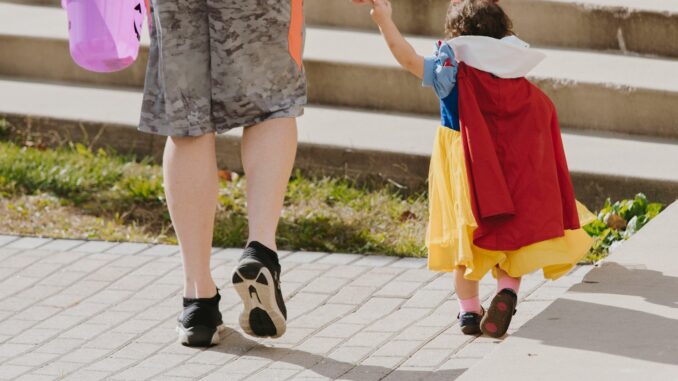
Teaching kids to walk safely might sound simple, but it’s one of those things that often gets overlooked in the rush of daily life. Yes, we tell them to look both ways before crossing the street, but there’s so much more to pedestrian safety than that. It’s our job to ensure our kids understand the dangers around them and how to keep themselves safe, whether they’re walking to school or out for a family stroll. So, let’s talk about how to teach your kids safe walking habits from the sidewalk to the crosswalk.
Safety for kids
Walking is second nature to us adults, but a child’s understanding of traffic and road hazards is very much different from ours, which is why we must be proactive in teaching them. Road traffic accidents are a leading cause of injury for children, which makes teaching safety absolutely crucial.
Start by talking to your child about why it’s important to stay safe on the pavement, especially when they’re on their own. Reinforce the idea that streets can be dangerous if they aren’t careful. It doesn’t have to be scary, just clear and factual. If they understand the ‘why’ behind the rules, they’re more likely to take them seriously.
Teaching the basics
The Green Cross Code is probably one of the best tools to help your kids grasp pedestrian safety. For anyone who grew up in the UK, it’s a tried-and-tested method for crossing the road. For young children, it’s a simple but essential tool that they can repeat to themselves when they’re out and about.
The key steps are easy to remember: Stop, Look, Listen, and Think. Practice these steps with your child until they become second nature. Show them that they should always stop at the kerb, look both ways, listen for any oncoming traffic, and think about whether it’s safe to cross. You can make it fun by turning it into a little game, reinforcing the steps as you walk together!
As they get older, these steps will become ingrained, helping them make safe decisions when they’re walking alone. Remember, it’s all about building habits.
Practice, practice, practice
The best way to teach your child pedestrian safety is to show them how to do it. This means taking the time to walk with them, even if you’re just heading to the corner shop or walking to school. Practice crossing roads with them in real-life situations. Start in quieter areas where traffic is minimal, and gradually work up to busier streets.
When they’re young, always cross with them, guiding them through each step, commenting or even asking which steps to go through. As they get older and more confident, encourage them to practice these skills under your watchful eye. It’ll give them the confidence to cross streets safely and smartly when you’re not around.
Recognising hazards
Kids can be easily distracted, especially when they’re out and about. That’s why it’s so important to teach them to be aware of their surroundings. Explain to your child that busy streets, parked cars, and even other pedestrians can pose hazards. And don’t forget to remind them to look out for cyclists as well! They’re smaller, faster, and can sometimes be difficult to spot.
Accidents can happen even on the pedestrian’s path when kids aren’t paying attention or don’t recognise hazards like uneven pavement or potholes. Make sure they understand that staying aware of their environment helps them avoid these everyday risks. Point out potential dangers as you walk, so they can start recognising them on their own.
Lead by example
And of course, the most important thing: Your child will learn a lot just by watching you. If you’re crossing the road, always make sure you’re following the Green Cross Code, too, even when you’re in a hurry. Children imitate their parents, so the safer you are, the more likely they will be to follow suit. Use pedestrian crossings, look both ways before stepping onto the road, and avoid distractions, like checking your phone while crossing.
By practising safe walking habits yourself, you’re teaching your kids that these rules matter. Plus, you’ll also be setting a good example for everyone else around you!
Teaching kids to walk safely isn’t about telling them what to do, but reinforcing the lessons over time, and ensuring they understand why pedestrian safety is so important. It’s all about preparing them for the real world, one step at a time.