
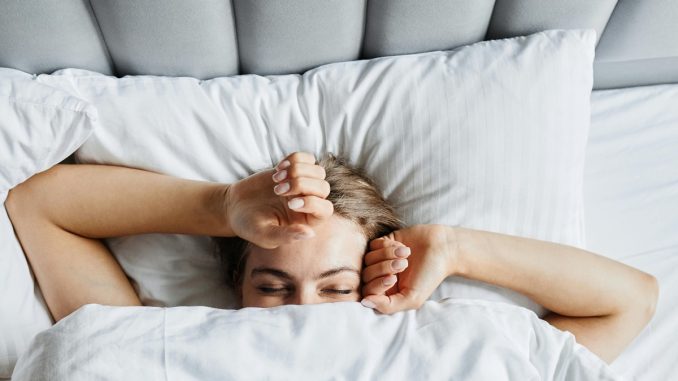
The festive season is one of the most joyful times of the year, packed with family gatherings, late-night celebrations and a well-earned break from routine. But with so much joy packed into a few short weeks, it can be tricky to maintain the healthy sleep habits that help us feel rested and energised.
To help you enjoy the celebrations and keep your sleep on track, Dr Lindsay Browning, psychologist, neuroscientist and sleep expert at And So To Bed, shares her guidance on how the festive period affects sleep and what we can do to minimise disruption.
Many of the things that make Christmas magical can also make sleep harder, but these disruptions are manageable once we understand what’s happening.
Dr Browning said: “During the festive period, many things can impact sleep – from late-night socialising, eating rich foods especially late in the evening, drinking alcohol, additional stress (as we try to juggle getting ready for Christmas, work and attending festive events) as well as the fewer daylight hours of winter. These can disrupt the body clock and lead to sleep loss and broken sleep. Many people also feel more tired during the day as a result.
“Drinking too much caffeine or alcohol close to bedtime and eating rich foods, such as cheese and large meals, late in the day can make it harder to fall and stay asleep. One of the best things you can do is keep a fairly regular wake up time irrespective of your changing bedtimes, which will help to anchor your circadian rhythm. Getting daylight exposure during the day, especially first thing in the morning, can help you wake up feeling more alert, and a morning cup of coffee might help you get going for the day without affecting your sleep at night.”
Dr Browning advises people to approach the season with acceptance rather than pressure: “Firstly, I understand that during the festive period I won’t be getting as much as sleep as usual due to events like late night parties, midnight mass and New Year’s Eve, which all mean later bedtimes that usual. However, rather than worrying about this, I remind myself that it’s just a part of normal life and focus on getting back to normal once the busy period is over.”
To stay well rested, she keeps her strategies simple: “I may have a brief afternoon nap (ideally a 20-minute nap at around 1 or 2pm), which helps with daytime alertness without affecting my nighttime sleep. I also try to reduce excess alcohol consumption by alternating alcoholic drinks with an alcohol-free option and having some alcohol-free evenings.”
Once the celebrations wind down, a gentle reset can help restore your natural rhythm.
Dr Browning said: “If you have gotten used to going to bed late, then don’t expect to fall asleep easily when you start going to bed at your usual, much earlier time. Your circadian rhythm needs time to adjust. Give yourself a few days to adjust and your sleep should start to go back to normal.”
Below, Dr Browning shares her 5 science-backed top tips for maintaining your sleep schedule during the festive period:
1. Keep your pre-bedtime routine
You can’t catch up on lost sleep, so accept that a reduced amount of total sleep is unavoidable if you’re having a week of late-night celebrating. You may feel a bit more tired, but it’s normal and only a temporary issue. Even on a late night, give yourself a brief wind-down time before bed to help de-stress and relax before sleep.
Having a consistent pre-sleep routine (such as drinking a sleepy tea, listening to relaxing music or reading a book) before bed can help signal to your brain that sleep is coming, at whatever time you want to sleep.
2. Limit alcohol consumption close to bedtime
Although many people think alcohol is good for sleep because it helps you to fall asleep quickly, it affects the quality of your sleep. Alcohol disrupts REM sleep causing you to wake up frequently in the second half of the night, as well as worsening snoring or sleep apnoea. Try to alternate alcoholic drinks with water to help stay hydrated and try to limit alcohol consumption too close to bedtime.
3. Stop your caffeine intake at 2pm
Christmas is a time to catch up with friends and family, and this may include going for a coffee. We may also need coffee to get us through the day after a late night. However, if you’re looking to keep you sleep pattern in good health over Christmas, you should always organise coffee dates in the morning. This is because caffeine has an average half-life of around 6 hours. That means that 6 hours after your cup of coffee, half of the caffeine is still in your system.
Caffeine is not only found in tea and coffee, but also in chocolate and in soft drinks such as cola and energy drinks, including the sugar-free variety. If you have trouble sleeping, it is recommended for you to have your last cup of caffeine of the day at around 2pm.
4. Stick to your exercise routine
People who exercise regularly tend to have better sleep. Therefore, use this as a good reason to get out in the fresh air and go on a nice, long, wintery walk. Make sure that you exercise during the daytime and not too close to bedtime, as vigorous exercise in the evening can sometimes be disruptive to sleep, due to the release of endorphins and adrenaline, as well as the increase in core body temperature.
5. Avoid unintentional naps
This may be hard to resist, especially when cosying up on the sofa watching a Christmas film in the evening. However, unintentional napping can really reduce your sleep drive and make you less likely to sleep at night because you already had sleep close to your bedtime.
