
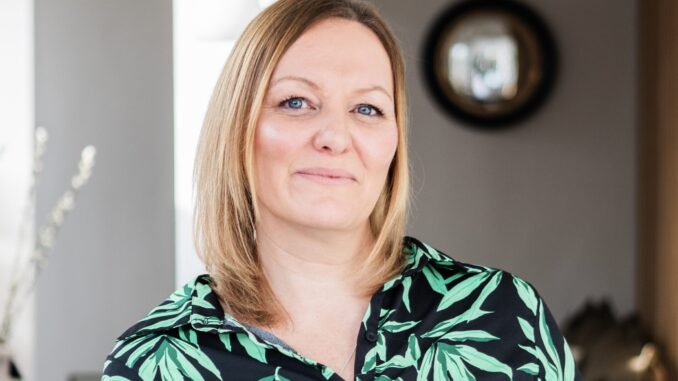
Leading brain expert Natalie Mackenzie, a trustee of a UK Headway group, has warned more needs to be done for stroke aftercare in Scotland-after a report in the BBC found only half of patients received the care they needed after having a stroke, according to Public Health Scotland.
Many scots aren’t receiving the right stroke aftercare reports Public Health Scotland
“With an approximate number of 100,000 people across the UK experiencing a stroke every year (and 11,000 in Scotland) there is a distinct shortage of statutory provision for survivors to access after the acute setting in the country.
Whilst there is an excellent stroke care pathway, which enables clinicians to manage and treat the signs of stroke quickly, and a clear path of rehab required, unfortunately past hospital discharge, community support has dwindled. With a a significant number of community neuro rehab teams facing a shortage of staff, extensive waiting times for rehab and depletion of funds, survivors and their families are often left trying to figure out how to navigate the after effects alone.
As a trustee of a UK Headway group and Director of a Cognitive Rehabilitation provider, BIS Services, we are seeing the impact post stroke. Often survivors are unable to return to work in the short term, with a huge impact on finances, making private provision inaccessible,” explains Natalie.
This news doesn’t just impact the older generation-in fact, 1 in 4 strokes effect those of working age, with the proportion of people having a stroke aged under 65 rising by almost 20% in Scotland in the last decade.
“Emotional and physical challenges can be extensive and without timely and repeated treatment, outcomes can be long lasting and disabling. We are often approached by families looking for support and guidance, often education of what is ‘normal’ after these life changing events is needed. Charities such as Stroke UK and Different Strokes provide support and resources, but often what people need is hands on rehab coupled with peer support. No one understands the struggle quite the same as those who have lived the experience.
There are many experienced stroke clinicians lobbying for improvements in stroke care and long term need, with more young people experiencing stroke than every before, as well as an increased rate of survival, more funding is needed to ensure each individual can access the long term support and rehab thet need and deserve after these events,” adds Natalie.
For more information on strokes, visit: The Stoke Association https://www.stroke.org.uk/scotland
