
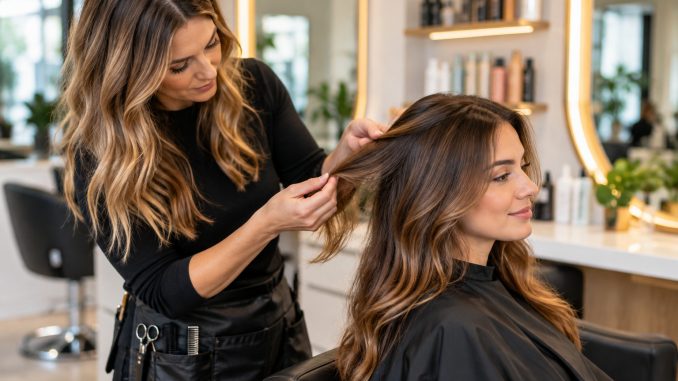
With growing numbers of people searching for advice about hair shedding and thinning, a beauty expert explains how the right haircut, conditioning treatment and styling routine could help improve the appearance and manageability of hair.
Online searches relating to hair shedding have increased sharply over the past year, highlighting growing concern about hair thinning, hair loss and maintaining healthy-looking hair.
New search analysis from beauty and wellness booking platform Fresha, using data from Glimpse, found that searches for the term “hair shedding” rose by 162% over the past 12 months, reaching approximately 305,000 searches in the most recent month.
Meanwhile, searches for “hair shed” increased by 76%, reaching an estimated 205,000.
Although some daily hair shedding is a normal part of the hair growth cycle, noticing more strands in a hairbrush or shower can be worrying. Changes in hair thickness, texture and volume can also affect confidence and how people feel about their appearance.
With colder weather approaching, Danielle Louise, hair and beauty expert on the Fresha app, is encouraging people to speak to their hairdresser before investing in multiple new products or making significant changes to their haircare routine.
“When you start noticing more hair in your brush, it is tempting to buy several new products and change everything at once,” says Danielle.
“Your next appointment is a chance to talk through what you are noticing and what you want from your hair. Perhaps the ends are looking wispy, your usual blow-dry is falling flat, or you are struggling with tangles. Those details help your stylist suggest a cut, treatment and routine that suit you.”
Understanding Hair Shedding and Hair Thinning
Hair naturally goes through cycles of growth, rest and shedding, with most people losing around 50 to 100 hairs each day.
However, noticeable changes in shedding can sometimes be linked to factors including stress, illness, hormonal changes, nutritional deficiencies or certain medications.
Seasonal changes may also influence how people perceive their hair’s condition, particularly when colder temperatures, indoor heating and changes in humidity contribute to dryness and breakage.
It is important to distinguish between hair shedding, which involves hair falling from the follicle, and breakage, where the hair shaft snaps. Although both can make hair appear thinner, they may require different approaches.
A hairdresser can offer practical advice about styling, conditioning and reducing damage, but persistent or sudden hair loss should be discussed with a GP or appropriately qualified healthcare professional.
Four Questions to Ask at Your Next Hair Appointment
1. Could My Haircut Be Making My Hair Look Thinner?
The shape and structure of a haircut can make a significant difference to how full hair appears, particularly when the ends have become fine or uneven.
While layered cuts can create movement, excessive layering may sometimes leave already fine hair looking thinner.
Danielle recommends discussing the areas where additional fullness is wanted before deciding on a new style.
“Tell your hairdresser where you want your hair to look fuller. If it is through the ends, ask whether keeping a stronger outline would work better than taking more weight out.
“You do not necessarily need a dramatic chop. Sometimes refreshing the shape and tidying the ends can make your hair look much more considered. Ask your stylist to show you how much they would take off before you decide.”
A well-shaped haircut may improve the appearance of volume without requiring a major change in length.
2. Which Conditioning Treatment Is Right for My Hair?
Dryness, tangling and breakage can make hair more difficult to manage, particularly during autumn and winter.
However, choosing a heavier conditioning product is not always the best solution, especially for people with fine hair that becomes weighed down easily.
Danielle advises explaining how hair behaves between washes, rather than focusing solely on how it looks immediately after styling.
“Explain how your hair feels after washing and how quickly it falls flat,” Danielle says.
“If your roots lose volume quickly but your ends feel dry, tell your stylist both things. Ask which treatment suits your texture, where to apply conditioner and how much to use at home. The richest product on the shelf is not automatically the best match.”
Choosing products suited to individual hair texture and condition can help improve softness, reduce tangling and make everyday styling easier.
Conditioning treatments can improve the feel and appearance of existing hair, although they cannot treat underlying medical causes of hair loss.
3. How Can I Create More Volume Without Damaging My Hair?
Heat styling can help create the appearance of fuller hair, but excessive temperatures and repeated styling may contribute to dryness and breakage.
Rather than simply requesting a salon blow-dry, Danielle suggests using the appointment to learn techniques that can be recreated at home.
“Ask them to show you how they lift the roots, where they place the brush and how much styling product they use. It is much easier to recreate a finish when you understand those small details.
“Tell them how much time you actually spend getting ready. A routine you can manage on a weekday is far more useful than one you will only attempt twice.”
Using low or medium heat settings, applying a suitable heat-protection product and avoiding unnecessary tension when brushing can help minimise damage.
For those experiencing increased shedding, gentle handling is particularly important when hair is wet and more vulnerable to breakage.
4. What Should I Do Between Salon Appointments?
Maintaining healthy-looking hair is not necessarily about using more products or spending longer on styling.
A straightforward routine that suits individual hair needs is often easier to maintain consistently.
Danielle recommends leaving the salon with clear advice about conditioning, detangling, drying and when the next haircut may be beneficial.
“You should leave knowing what your hair needs between appointments,” Danielle says. “That might mean a simple conditioning routine, a gentler way to detangle or a different approach to drying it.
“The aim is to make your hair easier to manage and help you feel good about it. A useful appointment gives you a result you like and the confidence to look after it at home.”
When Should Hair Shedding Become a Health Concern?
Although changes to a haircut or styling routine may improve the appearance of thinning hair, increased shedding can sometimes indicate an underlying health issue.
Temporary excessive shedding, sometimes known as telogen effluvium, can occur following significant physical or emotional stress, illness, surgery or hormonal changes.
Hair thinning can also be associated with thyroid conditions, iron deficiency, certain medications and hormonal changes, including those occurring around menopause.
Anyone experiencing sudden or substantial hair loss, bald patches, scalp inflammation or persistent excessive shedding should seek medical advice rather than relying solely on cosmetic treatments.
A GP may be able to investigate potential causes and recommend appropriate treatment or referral.
Haircare and Emotional Wellbeing
Hair can play an important role in personal identity and self-confidence, meaning changes in its appearance can sometimes have a significant emotional impact.
For people experiencing thinning or shedding, practical support and realistic expectations can be more helpful than promises of dramatic results from expensive products.
Professional advice can help individuals find manageable ways to care for their hair while avoiding unnecessary spending on treatments that may not address the underlying problem.
The increase in online searches suggests that hair shedding is attracting considerable attention, although the figures measure search interest rather than confirmed cases of hair loss.
Danielle’s advice is to make the most of professional appointments by asking specific questions, discussing concerns openly and developing a realistic routine.
While a salon visit cannot resolve every cause of hair shedding, it can provide useful guidance on maintaining hair condition, limiting breakage and achieving a style that helps people feel more confident.
Readers looking for professional haircare advice can compare local salons and book appointments through Fresha’s hair salon booking platform.