
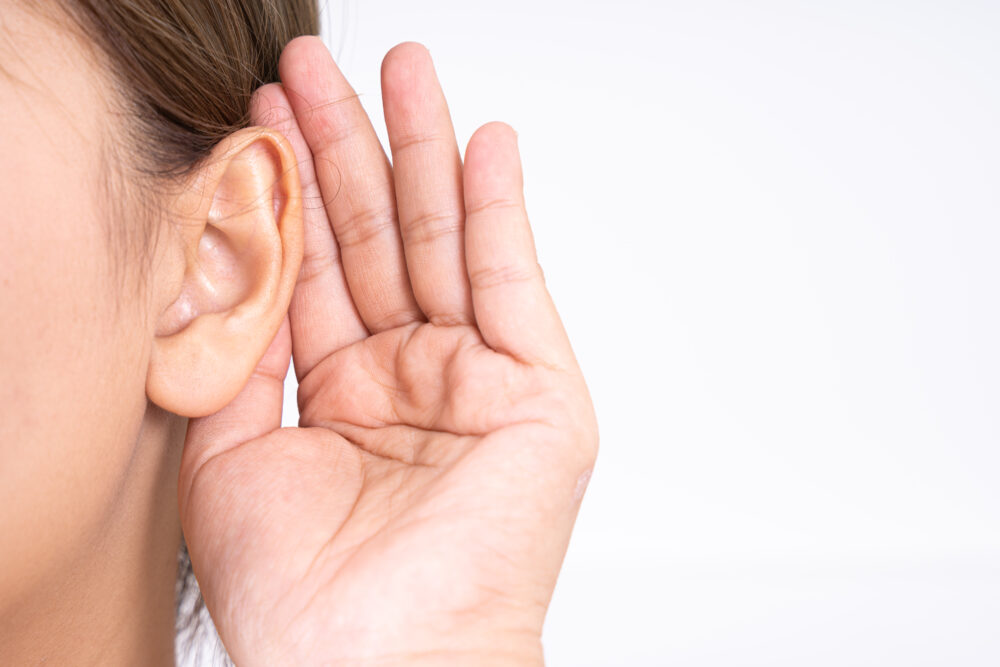
Ear wax plays an important role in maintaining ear health. Despite this, many people have an obsession with cleaning their ears and find the process an enjoyable habit. In fact, there are over 10K Google searches for ear cleaning every month!
There are many misconceptions about the best way to clean your ears, which is why the experts at Boots Hearingcare have weighed in to provide the facts on how to do so at home and understand when you might need to check-in for a free hearing test.
The most common method for cleaning ears and removing wax is through the use of Q-tips. However, Sophy Magee, Audiologist at Boots Hearingcare, warns that this method should be avoided.
Sophy explains: “You might think you’re removing wax when you see the residue left at the end of your swab, but don’t be fooled. Putting a Q-tip down your ear canal pushes wax around and down, which causes further buildup and makes it more difficult to remove.”
“Not only does this not actually remove wax, but it can cause injury to the delicate skin of the ear canal, compact the earwax against the eardrum, or in the worst case scenario perforate your eardrum. It also exposes you to more risk of painful ear infections.”
Sophy adds: “Another method that we would never recommend is using ear candles. These candles are placed in the ear while the patient lies on their side, the candle is lit, and it is falsely claimed that the flame creates negative pressure within the candle which sucks out softened earwax. They’re marketed as a natural remedy but they’re ineffective and pose many safety risks which can result in injuries such as burns and eardrum perforation.”
If you want to make sure you are looking after your ears in a way that is safe, Sophy shares three top tips to prevent and treat the build-up of wax at home.
Leave your ears alone
Whilst this may seem counterproductive, ears clean themselves and wax is important for ear health.
Sophy states: “Your ears are a self-cleaning organ that is naturally designed to maintain ear hygiene. So whilst it might feel nice to clean out your ears, it is recommended to leave your ears alone unless the build-up is a real cause for concern.”
“This is because ear wax production is an important function in maintaining ear health. It helps prevent things like foreign bodies and dust from entering the ear, lubricates the ear canal so it doesn’t become dry and itchy, and traps any bacteria that could cause ear infections.”
Regular washing
There are steps you can take which can help the self-cleaning process and are good practice.
Sophy suggests: “When you’re in the shower or having a bath, gently wash the external part of your ears with some soap and warm water. For a more thorough clean, use a damp washcloth to gently wipe the outer ear.”
“This can help to soften the wax in your ears, making it easier for it to move naturally towards the ear opening as part of the self-cleaning process. Making this a regular routine should be enough to maintain cleanliness.”
Use olive oil sparingly
You may see natural oils like olive oil and essential oils being promoted online to soften ear wax, but you should approach this method with caution.
Sophy shares: “The main thing that we recommend if anything is Earol. This is a dosed, olive oil spray that disperses evenly into the ear canal. Some people may use normal olive oil and use a pipette which is fine, but they should be mindful to only put a drop in rather than a full pipette. “
She stresses: “There are some brands containing hydrogen peroxide and sodium bicarbonate which are widely marketed, however, these substances both destroy the protective layer in the ear canal along with the epithelium skin layers. By doing this it eliminates the water-repellant ability of the ear canal leaving it susceptible to otitis externa, otherwise known as ‘swimmer’s ear’.”
Sophy adds: “Essential oils aren’t something that we recommend. Many people believe that because essential oils are “natural” and plant-based, they are safe for external use. This is not always the case and can actually lead to pain, redness and even burns.”
Ear Irrigation Kits
If you experience a lot of earwax buildup, consider using an ear irrigation kit, available at most pharmacies.
Sophy stresses: “These kits are useful for the safe removal of excess wax, but you should only be using these kits if completely necessary. Make sure you consult a medical professional beforehand to make sure this is the right solution for you.”
“Before using the irrigation kit, apply wax-softening drops as directed. This helps loosen the earwax, making it easier to remove during the irrigation process. Some kits also include wax preventers to discourage future buildup.”
If you are experiencing symptoms such as reduced hearing, earache or ring in the ears, the best thing you can do is seek help from a medical professional or book a free hearing test.
Sophy says: “If the build-up of wax is severe, an audiologist or healthcare provider will be able to determine the most suitable approach and can administer treatment, which may include ear irrigation, micro-suction, or manual removal.”
