
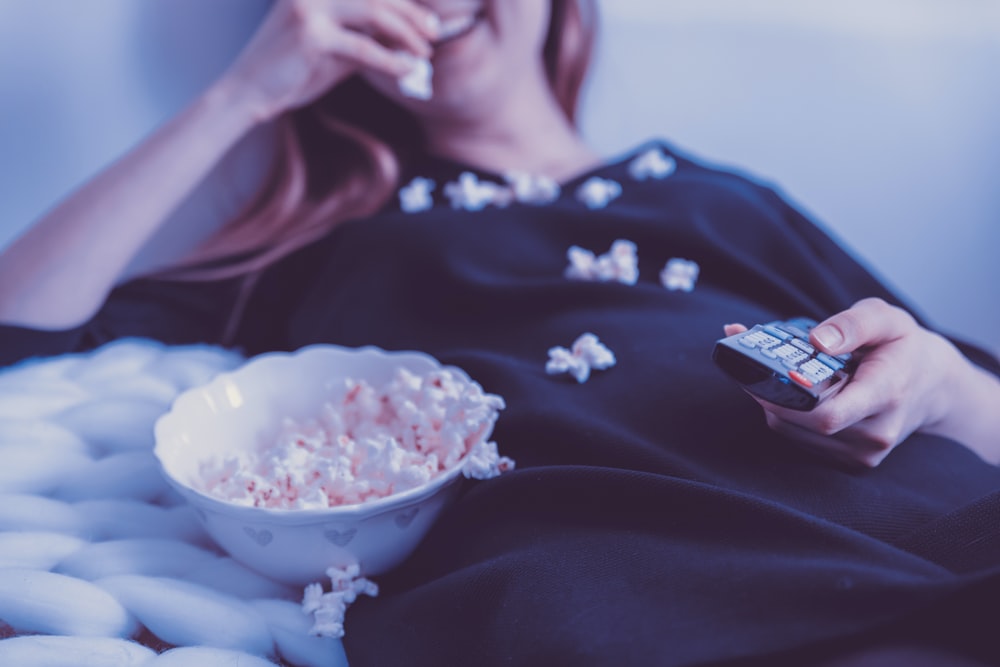
Have you ever wondered about the impact watching TV has on our eyes?
Human eyes have the ability to see around 7,000,000 colours.
But different colours and lighting affect our eyesight and even our moods. Certain colours can aggravate or irritate our eyes, making them weary or having to strain in order to do simple everyday things like watch television.
This is why Sujata Paul, Optician FBDO/CL and Professional Services Clinical Lead at Lenstore, an online contact lens retailer, has revealed how to spot if you have an eye condition while watching your favourite series:
Headaches and eye fatigue
Whilst TV isn’t permanently damaging to your eyesight, if you suddenly start to experience headaches, eye strain and eye fatigue, you may have developed an eye condition. Be sure to see your doctor to rule anything out and ensure you take regular breaks to rest your eyes after a lengthy viewing session.
Sore, burning, itchy or watery eyes
Again, if you’ve been spending a lot of time in front of your screen and you begin to develop physical symptoms including sore, burning or itchy eyes, you could have an eye condition. If this happens, be sure to book an appointment with your doctor or optometrist.
Blurred vision
In addition to over-exposure to your TV, blurred vision may be a sign of a vision-related condition, such as long or short-sightedness or astigmatism. Astigmatism occurs when either the front surface of the eye (cornea) or the lens inside the eye has a mismatched curve and causes blurry and distorted vision for both near and far distances.
Your Favourite TV Shows and Their Effect on Your Eyesight
Lenstore analysed seven popular TV series, and looked at how easy on the eyes their colour palettes are, giving them a score from 0 (worst for our eyesight) to 600 (best for our eyesight).
Colours towards the middle of the colour spectrum, like orange, yellow, and even some shades of red, tend to be easier on the eye, and therefore have a higher score.
Conversely, violet is to the far left of the colour spectrum, which means a greater chance of strain on the eye and consequently eye fatigue, therefore giving it a low score.
Sex Education
Popular drama Sex Education has a highly saturated and slightly unusual colour palette, likely in part due to it being inspired by the 70s. Seasons one and two were filmed in the summer, with emphasis placed on natural red and green shades. Our eyes see green with ease due to its place in the middle of the colour spectrum, with some scientists believing that the shade may calm us down too, making for a more relaxing viewing experience.

The Simpsons
A timeless classic for both kids and adults alike, cartoon The Simpsons features a lot less nuance in its colour palette and can therefore be a trickier show to watch for extended periods of time. Bright yellow – the most fatiguing colour to our eyes – is heavily featured, so if you find yourself feeling a little visually strained after a few episodes, that may be why.

Bridgerton
The cinematographers for one of 2020’s biggest Netflix hits, Bridgerton, used low-light cinematography to ensure that the rich and romantic tones of colours used came through without seeming artificial to the viewer. The result is a feast for the eyes; soft sky blues, pale lilacs and forest greens that retain their pigmentation whilst still appearing natural. Even the character’s costumes were created to match the settings.

Ru Paul’s Drag Race
Fan favourite Ru Paul’s Drag Race focuses heavily on bright, vivid, combination colours, all of which have an eye-catching effect. However, the flashing lights, dance sequences and range of colours and textures filmed in the show have the potential to cause slight damage to your eyes over extended periods of time. It’s a good job episodes are released on a weekly basis to give your eyes the chance to rest!

Squid Game
The main shades used in Korean hit Squid Game’s colour palette are clashing pink and green, a visually easy choice which juxtaposes the darker nature of the show’s content. The infamous fight scene in episode 3, however, is almost entirely black and lit only by a flashing strobe light. If viewed over a longer period of time, strobe lighting can have a damaging effect on the eyes, causing them to strain, but this particular use helps to heighten the tension of the scene by creating a disorientating effect.

Looking After Your Eyes While Watching TV
With more streaming services available than ever, and more and more of us spending time at home, our TV consumption shows no signs of slowing down. In fact, many of us spend as much as a third of our waking hours watching TV and streaming services.
It’s therefore important to ensure you’re taking all necessary steps to protect your eyes from potential strain and damage. Lenstore’s expert Optometrist Sujata Paul gives the following top tips to keep your eyes shipshape, while still enjoying your favourite programmes:
Take regular breaks
“Whilst watching television, remember the 20-20 rule. For every 20 minutes of TV screen viewing, take a 20-second break and look away, ideally at something 20 feet or more away. This break will help with eye fatigue and will keep your eye muscles working well.”
Use the right lighting
Sujata says: “We all like to watch our favourite shows or movies in the dark from time to time for the full cinematic experience. This can, however, put unnecessary strain on our eyes, as our pupils dilate, thus allowing bright light to penetrate easily. You can mitigate this by switching on a small lamp elsewhere in the room whilst you’re watching.”
Watch from a safe distance
“Large screens such as 40 or 50-inch displays can help to prevent eye strain. That being said, the wider the screen, the more space you’ll need between you and the screen to ensure your eyes aren’t straining too much. I’d recommend a distance of about 2-3 metres from a 40 inch TV and 2-3.5 metres from a 50 inch TV.”
Consider your TV placement
Did you know that a sore neck can lead to eye strain? Sujata recommends placing your TV at eye level to avoid straining your neck from looking up.
Try TV glasses
As recommended by our expert Sujata, giving your eyes a break from lenses and wearing TV glasses can improve your visual comfort during long periods of screen time.
