
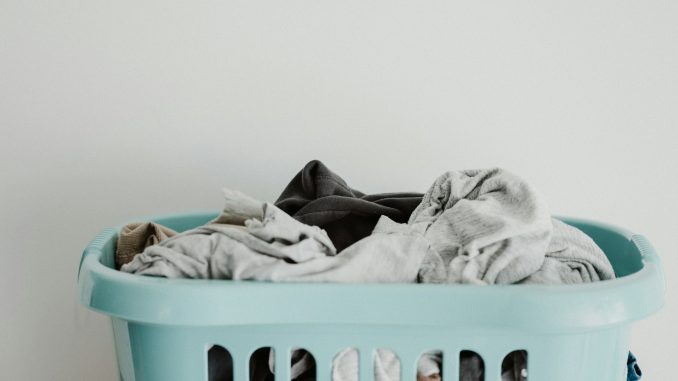
Research shows that infected fabrics can harbour viruses and bacteria for weeks. In some cases, even washing at 60°C may not eliminate every potentially harmful microbes. And when laundry isn’t properly disinfected, it can contribute to wider concerns around antibiotic resistance.
Here, Hotpoint, shares expert guidance on keeping your laundry genuinely clean.
Why Your Wardrobe Could be Harbouring Germs
Fabrics act as porous, which means pathogens can settle and thrive – especially when moisture is involved.
“Clothing can quickly become a breeding ground for bacteria when it comes into contact with contaminated surfaces or picks up germs from the air,” explains Adam Norris, Senior Product Manager, Dishwashing and Laundry at Hotpoint.
“Add sweat or humidity to the mix, and microbes can become trapped deep within the fibres.”
The material of your clothes also plays a part. Synthetic fabrics like polyester allow viruses to live longer, compared to natural fibres such as cotton or wool.
“The oily nature of synthetic fabrics, made from petrochemicals, means microbes cling on more easily and multiply faster,” adds Norris.
While most respiratory viruses spread mainly through airborne particles, norovirus is different. This stomach bug can survive on fabric for up to a month in almost any condition, making contaminated clothing a greater transmission risk.
Your Strongest Defences When It Comes to Tackling Germs
The good news? Washing clothes properly kills the vast majority of viruses and bacteria without requiring complicated routines.
Choose enzyme-based detergents
Look for laundry products containing lipase enzymes, which actively break down microbial structures during washing.
“Enzyme-based detergents work effectively at removing common stains and soils during the wash. Follow the garment care label, and rinse thoroughly to reduce the risk of irritation for those with sensitive skin,” explains Norris.
Separate high-risk items
Keep workout gear and clothing worn by unwell household members separate from your everyday laundry
“Strategically sorting your washing prevents bacteria from spreading across your entire laundry load,” advises Norris. “This simple practice helps to contain contamination and protects the rest of your wardrobe.”
Keep Your Washing Machine Germ-Free
Even the most thorough wash won’t deliver its best if your machine itself harbours bacteria. The rubber door seal needs the most frequent attention. This area of your appliance can trap moisture and debris, allowing microbes to flourish.
“Wipe the seal clean after every wash using a hot cloth with antibacterial spray or white vinegar,” recommends Norris. “This prevents bacteria building up in an area that comes into direct contact with your laundry.”
Regular maintenance matters too. Most modern washing machines have a dedicated ‘machine clean’ cycle to keep your appliance running smoothly. Also, clean your detergent drawer every five washes to prevent residue building up, and check the filter quarterly to maintain efficient drainage.
“Regular upkeep does more than just improve sanitisation,” highlights Norris. “It reduces energy consumption and extends your appliance’s lifespan, saving you money whilst protecting your family’s health.”
Priority Items to Wash During Illness Outbreaks
When viruses are circulating, some household items need extra attention:
- Towels should be washed every three to five uses as standard – more often if someone is unwell or towels are shared.
- Hand towels require washing weekly, at a minimum.
- Face cloths should go in the wash after one or two uses to prevent spreading facial bacteria.
“When a family member is sick, wash their clothing and bedding as soon as possible,” advises Norris. “Don’t forget about pillows. Most cotton and down varieties can be washed in the machine on a gentle, warm programme with an extra rinse cycle to remove all detergent residue.”
By combining appropriate washing temperatures with consistent machine care, households can help reduce the risk of spreading illness through contaminated laundry.
