
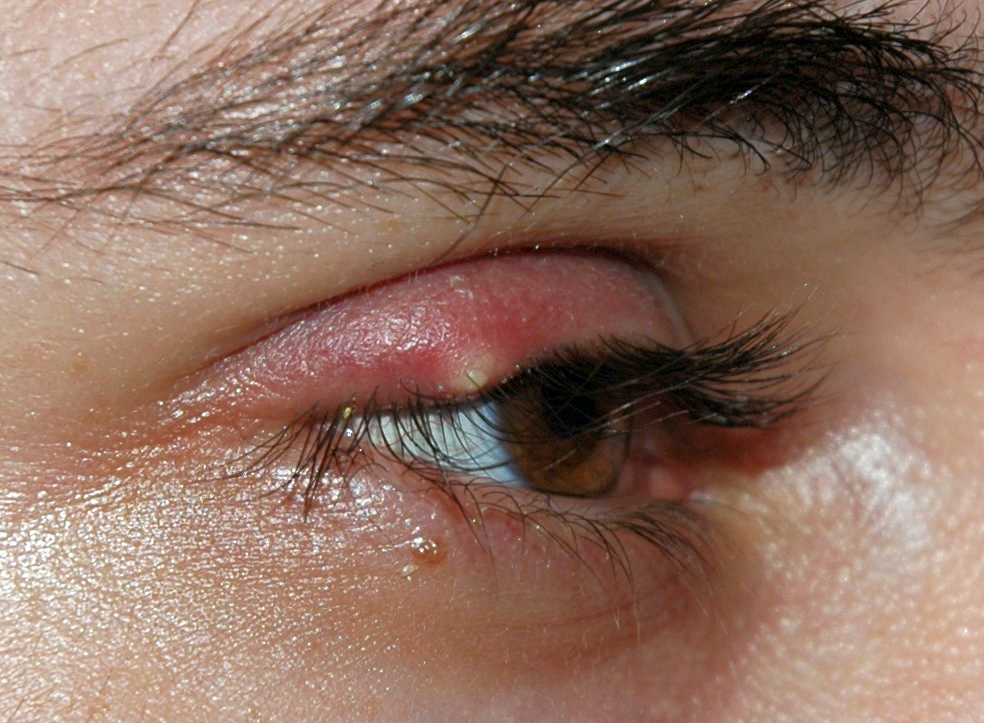
Styes are rarely anything to be concerned about and as the majority of people have experienced a stye know it brings discomfort in the eye with a small lump inside the eyelid or around the eye.
Roshni Patel BSc (Hons) MCOptom, Optometrist and Professional Services Manager for Lenstore has provided details of the causes of styes and advice on how they can be treated and prevented.
What are the Symptoms of a stye?
Styes are a painful bacterial infection of a hair follicle in the ey or of an oil gland which results in the a lump which can be quite often swollen and red and sometimes filled with yellow puss.
Styes do not impact your vision and are usually harmless and fade. The symptoms include:
- Gritty feeling in the eye
- Eye watering
- Yellow pus/discharge
- Feeling like something is in your eye
- Eyelid swelling
- Crust forming around the edge of the eyelid
It is important to know that if the eye or eyelid is red and swollen but also the eye is watery, it could be blepharitis or conjunctivitis or if the lump isn’t painful but hard, it is likely to be chalazion.
Styes develop as a result of bacteria
The most common way for the stye to be impacted by bacteria is touching and rubbing your eyes. Therefore, when you touch the eye, it is important to wash your hands ensuring they are clean. Another common way to contaminate the eye is through the use of makeup and leaving it on overnight.
It is important to remove makeup regularly to avoid infecting the eyes with bacteria, while also ensuring you replace eye makeup roughly every three months. The below table gives some advice on how often makeup should be replaced:
| Eye makeup product | Length of time to use |
| Mascara used daily | Change every three months |
| Mascara used only occasionally | Change every six months |
| Liquid eyeliner | Change every three months |
| Eye pencil | Change every two/three years |
TOP TIP: If you are constantly developing styes, look at diluting mild baby shampoo in warm warm and then use a cotton bud to gently brush the base of the eyelashes to clean any build-up and prevent infection.
Styes and Contact Lenses
Improperly cleaned and cared for contact lenses enable your eyes to be more exposed to infection. Before you touch your contact lenses, it is vital that you wash your hands and do not reuse disposable contact lenses. Further things to avoid is wearing contact lenses overnight or if they have expired.
If you do develop a stye it is recommended that you stop wearing contact lenses because the stye can burst and bacteria can get trapped underneath the lens which can cause further problems. Maintaining hygiene is also important while wearing glasses to avoid bacteria build up, aiming to regularly clean glasses with soapy water and a microfibre cloth will keep the glasses nice and clean and help to prevent styes.
Image credit: Andre Riemann, public domain
