
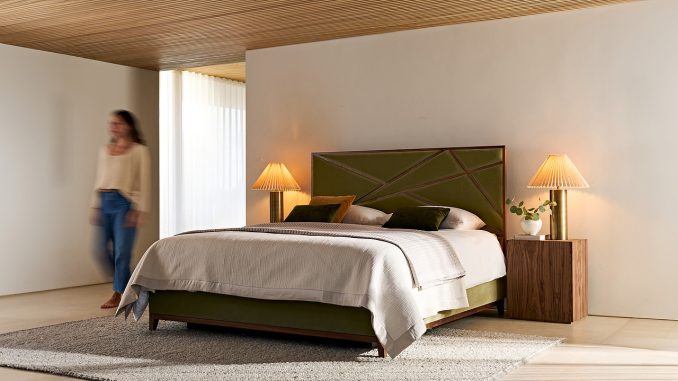
The average home in the EU measures around 103 square metres, compared to just 96.2 square metres in the UK. As space shrinks and rental living rises, bedrooms are being pushed to do more than ever before. What was once a place for rest has become a hybrid of office, gym and storage unit.
According to bed specialists Furl, this shift is having a direct impact on how well we sleep. As bedrooms take on multiple roles, they also become filled with visual noise and sensory stimulation, making it harder for the brain to fully switch off.
“When the bedroom signals safety, the body lets go,” explains clinical psychologist Dr Tracy King. “But when the space signals exposure, clutter or sensory threat, the brain keeps scanning, even at night.”
This low-level vigilance often goes unnoticed, but its effects are significant. Sleep becomes lighter, more fragmented and easier to disturb, leaving many people feeling tired despite spending enough time in bed.
To help Britons reclaim their bedrooms as spaces for rest and recovery, Furl has partnered with Dr King to develop a science-backed guide. Their advice focuses on small, practical changes that can calm the nervous system and support deeper, more restorative sleep.
Six expert tips to improve your bedroom for better sleep
1. Position your bed for a sense of safety
Ideally, your bed should sit against a solid wall with a clear view of the door. This setup, often referred to as the “command position,” reduces the brain’s need to stay alert. When your environment feels secure, your body can relax more fully into sleep.
2. Avoid placing your head under a window
Even if you are not consciously aware of it, sleeping with a window behind your head can feel exposed to the primitive brain. If moving your bed is not an option, a solid headboard and heavier curtains or blinds can help create a greater sense of protection.
3. Introduce symmetry where possible
Matching bedside tables or lamps are not just a design choice. Symmetry signals stability and predictability to the brain. In smaller rooms, this can be achieved through balanced colours, materials or grouped objects that create visual equilibrium.
4. Remove mirrors that reflect the bed
Mirrors can increase alertness by adding visual stimulation and encouraging self-awareness at night. If a mirror reflects your bed, consider repositioning it. If that is not possible, covering it overnight or angling it away can help reduce its impact.
5. Cut down on visual clutter
Your brain continues to scan your surroundings even when you are trying to rest. Overfilled shelves, laundry piles and busy surfaces keep it engaged. Clearing bedside tables and removing anything associated with tasks, such as paperwork or gym equipment, can make a noticeable difference.
6. Create a clear boundary for sleep
Even in a studio flat, defining your sleep zone can help your body switch off. A rug under the bed, a curtain or a simple screen can create a psychological separation from the rest of the room, reducing sensory overload.
Making the bedroom intentional again
David Norman, Founder and Director at Furl, believes that improving sleep does not require more space, just better use of it.
“A bedroom doesn’t have to be large to feel calm and considered,” he says. “Good design is about balance, proportion and smart use of space. When furniture is positioned thoughtfully and storage is built in rather than piled up, the whole room instantly feels lighter and more functional.”
He adds that many UK bedrooms have become “catch-all” spaces, but small design shifts can restore their purpose.
“Concealed storage, clear walkways and a strong focal point can completely transform how a room looks and feels. Most importantly, they help create an environment that genuinely supports sleep.”
As homes continue to shrink and multifunctional living becomes the norm, the challenge is not necessarily finding more space, but using existing space more intentionally. With a few targeted changes, even the most crowded bedroom can become a place where the body feels safe enough to truly rest.
