
In Britain, aromatherapy has long lived in the softer corners of wellness; associated with spas, sleep sprays and the gentle rituals of self-care. Comforting, yes. Therapeutic, perhaps. But rarely positioned alongside clinically informed health disciplines.
That perception is now being challenged.
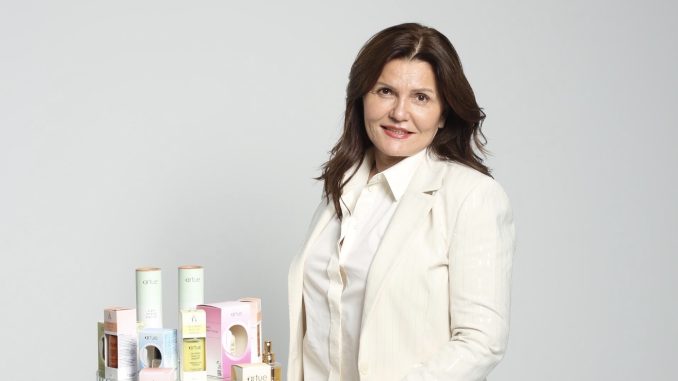
This month sees the UK arrival of Art de Huile, a science-led wellness brand founded by scientist and formulator Hülya Kayhan. Rather than presenting essential oils as lifestyle accessories, the brand introduces what it terms clinical aromatherapy, formulations designed through neuroscience, microbiome research and pharmaceutical-grade standards.
At the centre of the concept is a simple but often overlooked biological truth: scent is neurological input. Unlike other senses, smell communicates directly with the limbic system, the brain’s emotional and hormonal control centre. This pathway influences cortisol levels, circadian rhythm and autonomic nervous system responses, the same mechanisms involved in sleep quality, stress tolerance and mood regulation.
For Kayhan, this reframes aromatherapy entirely. “For years scent has been treated as atmosphere,” she explains. “But it is actually communication. When you understand the pathways, you can design formulations that do more than relax – they regulate.”
Art de Huile’s approach combines pharmaceutical-grade essential oils with patented probiotic delivery systems intended to support the microbiome alongside neurological signalling. The philosophy reflects growing scientific interest in the gut-brain-skin axis, the interconnected relationship between emotional state, bacterial balance and inflammatory response.
Rather than isolating concerns, sleep, skin, menopause or digestion – the formulations aim to work across systems simultaneously. A scent designed to calm the nervous system may sit alongside topical or ingestible support targeting internal imbalance. The result is positioned less as a remedy and more as physiological support.
The timing is notable. British consumers are increasingly wary of exaggerated wellness claims yet remain deeply engaged in preventative health. They are not abandoning ritual; they are questioning what sits behind it. Words like natural no longer suffice without mechanism, and sensory products are being asked to justify themselves in biological terms.
Art de Huile enters this landscape with unusual credentials: over 400 original formulations, multiple patents and peer-reviewed academic publications, a rarity in an industry often driven more by narrative than data.
The shift it represents is broader than one brand. Wellness is maturing, moving away from trends and toward measurable function. Practices once dismissed as alternative are being re-evaluated through scientific frameworks, creating a new middle ground between pharmaceuticals and lifestyle care.
In that context, aromatherapy’s future may look very different from its past, less about ambience, more about influence.
The ritual remains. The expectation changes.