
When we think about mental wellbeing, we often focus on factors such as stress, sleep, work-life balance and physical activity. While these all play an important role, one area that is often overlooked is oral health.
Your dental health and mental wellbeing are more closely linked than many people realise. From confidence and self-esteem to long-term health impacts, the condition of your teeth and gums can influence how you feel both physically and emotionally.
How Oral Health Affects Confidence
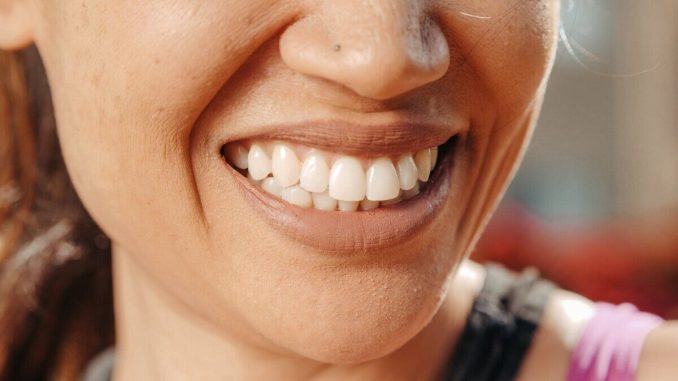
Your smile is one of the first things people notice. When you feel good about your teeth, it can have a positive effect on your confidence in social situations, at work and in everyday life.
On the other hand, dental issues such as discolouration, missing teeth or bad breath can lead to self-consciousness. This may cause people to:
- Avoid smiling or speaking openly
- Withdraw from social situations
- Feel less confident in professional environments
Over time, this can impact overall mental wellbeing, especially if the issue is ongoing.
The Emotional Impact of Dental Pain
Dental discomfort is not just a physical issue. Persistent toothache or sensitivity can affect your mood, sleep and ability to concentrate.
Living with ongoing discomfort can lead to:
- Increased irritability
- Difficulty focusing on daily tasks
- Disrupted sleep patterns
- Higher levels of stress
When pain becomes part of daily life, it can have a noticeable effect on mental health.
The Link Between Stress and Oral Health
The relationship between oral health and mental wellbeing works both ways. Just as dental issues can affect your mental state, stress and anxiety can also impact your oral health.
Common stress-related habits include:
- Teeth grinding or clenching
- Neglecting regular brushing and flossing
- Increased consumption of sugary foods or drinks
These behaviours can contribute to problems such as worn teeth, gum issues and decay, creating a cycle where mental and oral health affect each other.
Why Prevention Plays a Key Role
One of the most effective ways to protect both your oral health and your mental wellbeing is through prevention. Regular dental care helps identify potential issues early, reducing the likelihood of more serious problems developing.
Preventative care can:
- Reduce the risk of pain and discomfort
- Help maintain a confident smile
- Minimise the need for more complex treatments
- Provide reassurance that your oral health is on track
Accessing reliable information and professional support, such as visiting https://stotfolddentalclinic.co.uk/, can help you stay proactive and informed about your dental health.
Building Positive Daily Habits
Small, consistent habits can make a significant difference over time. Looking after your teeth does not have to be complicated, but it does require regular attention.
Simple steps include:
- Brushing twice daily with fluoride toothpaste
- Flossing or using interdental brushes
- Reducing sugar intake where possible
- Staying hydrated to support oral health
These habits not only protect your teeth but also help reduce the likelihood of issues that could affect your confidence and wellbeing.
The Importance of Routine and Self-Care
In many ways, maintaining oral health is part of a wider self-care routine. Taking the time to look after yourself physically can have a positive effect on your mental state.
Routine dental care provides:
- A sense of control over your health
- Reduced anxiety about potential problems
- Greater confidence in your appearance
When you feel in control of your health, it can contribute to a more positive mindset overall.
Final Thoughts
The connection between oral health and mental wellbeing is often underestimated, but it plays an important role in how we feel day to day. From confidence and comfort to long-term health, taking care of your teeth and gums supports more than just your smile.
By building good habits, staying aware of changes and seeking professional advice when needed, you can protect both your oral health and your overall wellbeing. In the long run, small steps can lead to meaningful improvements in both how you look and how you feel.