
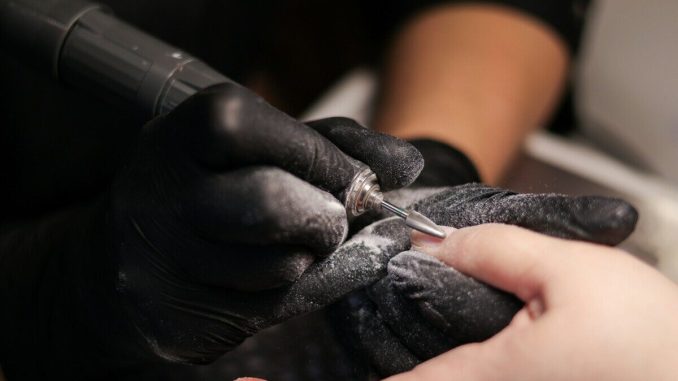
For young adults navigating the stresses of education, early career pressures, and social media comparisons, anxiety can often feel like a constant background noise. In this context, the “manicure hour”—whether spent in a professional salon or at home—functions as a form of “micro-mindfulness.”
The process of shaping, buffing, and painting requires a level of focus and fine motor precision that naturally pulls the mind into the present moment. It is a sensory experience: the scent of the products, the warmth of the hand soak, and the visual satisfaction of a neat finish. For those struggling with ADHD or general restlessness, this structured, repetitive activity can be incredibly grounding. It offers a rare window where multitasking is impossible, forcing a “digital detox” as hands are occupied and phones are set aside.
Creativity as a Mental Health Tool
Psychologists have long touted the benefits of creative expression for emotional regulation. For many young people, their nails are the most accessible canvas they own. Unlike fashion, which can be expensive, or art, which can feel intimidating, nail art is a democratic form of creativity.
The ability to choose colors that reflect a mood—bright neons for energy, soft pastels for calm, or deep dark tones for a sense of protection—allows individuals to communicate their internal state to the world without saying a word. This “wearable art” serves as a constant visual reminder of one’s own agency and creativity throughout the day. Every time a person looks down at their hands while typing or checking their watch, they receive a small “hit” of aesthetic joy.
Accessibility and the Home-Care Revolution
While the professional salon environment offers a sense of community and pampering, the rise of high-quality home-care solutions has made this wellbeing ritual more accessible than ever. Financial barriers or social anxiety can sometimes make salon visits difficult for young people. Fortunately, innovations in the industry have ensured that the mental health benefits of a fresh manicure aren’t restricted by budget or location.
For example, the availability of high-quality gel nail stickers UK has bridged the gap between professional results and the safety of one’s own space. These products allow individuals to achieve a durable, salon-standard look in just minutes. For someone going through a depressive episode or a period of high stress, the “small win” of successfully applying a beautiful set of nails can be a significant catalyst for feeling better. It is an act of self-care that says, “I am worth the ten minutes it takes to look after myself.”
The “Look Good, Feel Better” Connection
The link between physical appearance and mental health is well-documented. When we feel we look “put together,” our internal confidence often follows suit. This is particularly true for young people who may feel they have little control over other areas of their lives, such as the job market or global events.
Maintaining one’s nails is a manageable, controllable task. It provides a sense of order. There is a specific psychological phenomenon where “fixing” a small detail can make a person feel more capable of tackling larger challenges. A fresh manicure can act as a suit of armor; it provides a sense of professional and personal readiness that can help ease social anxiety in meetings, interviews, or social gatherings.
Community and Social Connection
The cosmetic nail industry also fosters a unique sense of community. Whether it’s the bond between a regular client and their nail technician—who often becomes a trusted confidant—or the vibrant online communities where people share tips and designs, the industry combats loneliness.
For young people, participating in these communities provides a sense of belonging. Sharing a photo of a new design or asking for advice on nail health creates positive social interactions that are centered around a shared passion rather than comparison or competition. This “positive social media” experience is a vital antidote to the more toxic elements of the digital world.
Overcoming Negative Habits
On a practical level, the cosmetic nail industry serves as a lifeline for those struggling with body-focused repetitive behaviors (BFRBs), such as nail-biting or skin-picking. These habits are often symptoms of underlying stress or anxiety.
Investing in the appearance and health of the nails provides a powerful incentive to break these cycles. When the nails are beautiful and “done,” the urge to bite or pick is often significantly reduced. Over time, as the natural nails grow stronger and healthier under the protection of gels or wraps, the individual experiences a tangible sense of pride and achievement. This physical recovery of the nails often mirrors an internal journey toward better stress management.
Conclusion: More Than Just a Manicure
As we continue to expand our definition of what “wellbeing” looks like, we must acknowledge the significant role of the cosmetic nail industry. For the younger generation, it is a versatile tool for mental health that combines mindfulness, creativity, confidence-building, and community.
Whether it’s a professional salon service or the quick application of a semi-cured gel set at home, the act of “doing one’s nails” is a profound statement of self-worth. It is a reminder that in a chaotic world, we still have the power to create beauty, maintain our own rituals, and care for ourselves—one finger at a time. The next time you see someone with a perfectly polished manicure, remember that you might be looking at their most effective wellbeing strategy.