

The physical rewards of regular exercise are well documented, but the effects on mental health from participating in multi-sport activities like triathlons often receive less attention. In recent years, participation in multi-sport events has increased, with more people joining the community. Combining swimming, cycling, and running builds cardiovascular fitness and can lead to notable improvements in psychological wellbeing through varied challenges and environments.
For many people, the cycling portion of triathlon training provides a particularly powerful mental health boost. Riding through different landscapes offers a unique blend of solitude and community, allowing participants to clear their minds while pedalling. The rhythmic nature of cycling, combined with endorphin release from sustained effort, creates a natural antidote to daily stress.
How Triathlon Training Reduces Stress and Anxiety
Multi-sport activities use different exercise forms to create overall physical and mental improvements. Endurance exercise is associated with better regulation of stress hormones, and regular swimming, cycling, and running sessions may help the body manage stress more effectively. Exercising outdoors can also provide additional support for mental wellbeing, especially in regions with less predictable weather.
Training on equipment designed for long distances, such as the Sigma Sports triathlon collection, can make extended sessions more comfortable. Supportive bike geometry and proper fit help reduce physical discomfort. This improved comfort allows for better concentration and promotes a calmer state of mind throughout training.
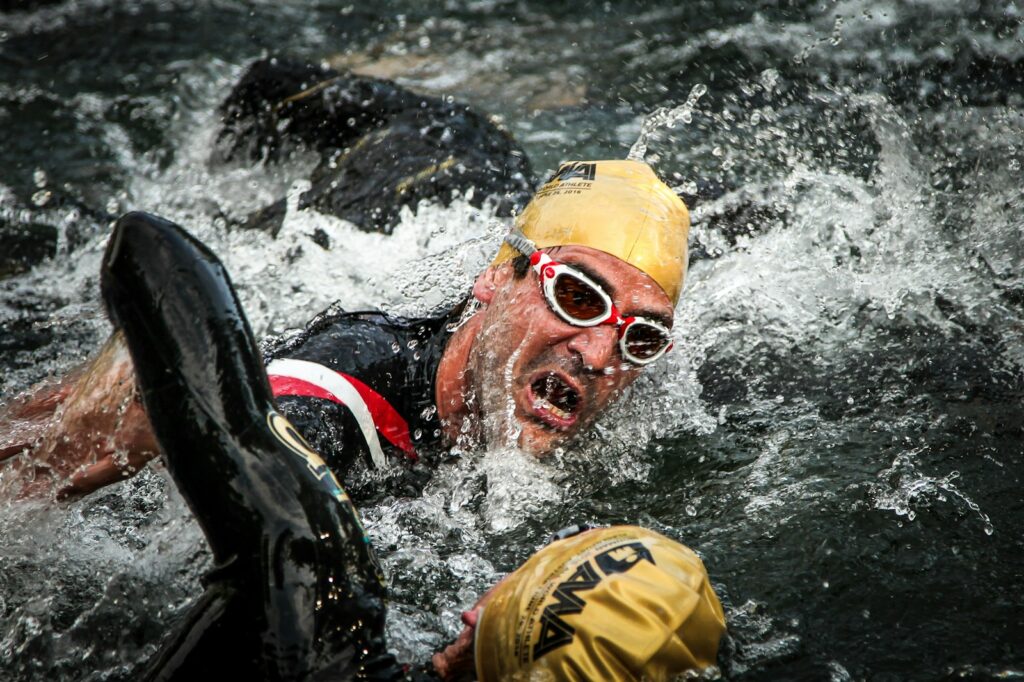
Water-based activities like swimming provide unique stress-reduction effects. The combination of rhythmic breathing and total body movement encourages a calming effect on the nervous system. Many swimmers report feeling more relaxed and less anxious following swim sessions. This aligns with widely recognised mental health rewards of regular aquatic exercise.
Similarly, cycling through different settings offers a form of moving meditation. The consistent pedalling motion combined with changing views helps the mind enter a flow state. Many triathletes report that their cycling sessions provide needed mental space for processing daily challenges.

Building Mental Resilience Through Multi-Sport Challenges
Triathlon training builds mental strength in ways single-sport activities may not offer. Each discipline brings its own mental tests: swimming requires overcoming water anxiety, cycling demands sustained focus, and running challenges physical discomfort tolerance. Managing these different difficulties can help develop psychological strength that extends beyond sports.
The transition periods between disciplines are especially helpful for mental training. Learning to shift focus quickly between swimming, cycling, and running develops mental flexibility. This skill transfers to everyday life, helping individuals adjust more easily to changing work demands or unexpected personal challenges.
Setting progressive goals forms another important psychological reward. Beginners typically start with a sprint triathlon before gradually building toward longer distances. Each achievement builds confidence that carries over into other life areas.
Triathletes often apply their determination mindset to work projects, family challenges, and personal goals. The best triathlon bikes support this mental training process. Their features allow athletes to focus on their performance rather than equipment concerns.
Social Connection and Community Benefits
The UK triathlon community has seen notable growth in recent years, with more people participating in organised events annually. This expanding group provides important social connections that help mental wellbeing. Training groups create natural support networks where people share not just exercise tips but life experiences.
Local triathlon clubs exist in nearly every UK region, offering structured training sessions and social gatherings. These communities help reduce isolation, addressing a common barrier to mental wellbeing for many adults across the country.
Family participation represents another social benefit of triathlon culture. Many events now include children’s races and relay options, allowing families to train and compete together. This shared activity strengthens family relationships while setting healthy lifestyle examples for younger generations.
Community events like parkrun have become popular training grounds for aspiring triathletes. These free, weekly 5km runs create accessible entry points to the multi-sport community. Participants often find encouragement at these events that motivates them to try swimming and cycling as well.
Practical Ways to Begin Multi-Sport Activities for Mental Health
Getting into multi-sport activities does not require complicated or expensive equipment. Beginners can use basic items like a comfortable swimsuit, any roadworthy bicycle, and running trainers. Newcomers often use mountain bikes or hybrid bikes before investing in specialised triathlon bikes.
Local leisure centres offer great starting points with swimming lessons and indoor cycling classes. Most UK towns have running groups that welcome beginners, often advertising through social media or community notice boards. British Triathlon’s GO TRI programme specifically targets newcomers with simplified events and training support.
Personalising training for different fitness levels is simple in multi-sport activities. Individuals with joint issues might increase swimming and cycling while reducing running. People with limited time can focus on shorter, more intense sessions rather than long workouts.
Multi-sport training provides several benefits for mental wellbeing. Regular exercise is believed to help lower stress and boost mood. Facing the unique challenges of swimming, cycling, and running encourages mental adaptability and self-assurance. Taking part in a triathlon community helps decrease feelings of isolation and sets up a network of support and encouragement which benefits emotional health.
These combined effects lay a strong foundation for ongoing mental health through physical activity and social connection.
In Short
The mental health benefits of multi-sport activities reach well beyond the physical fitness improvements often linked with triathlon training. From stress relief and managing anxiety to increased perseverance and positive social connection, the psychological gains provide strong reasons to consider cross-training.
The mix of swimming, cycling, and running creates a balanced approach to mental wellbeing that single-sport activities struggle to match. Each discipline adds its own psychological boost while preventing the boredom and burnout that often accompany repetitive exercise routines.