
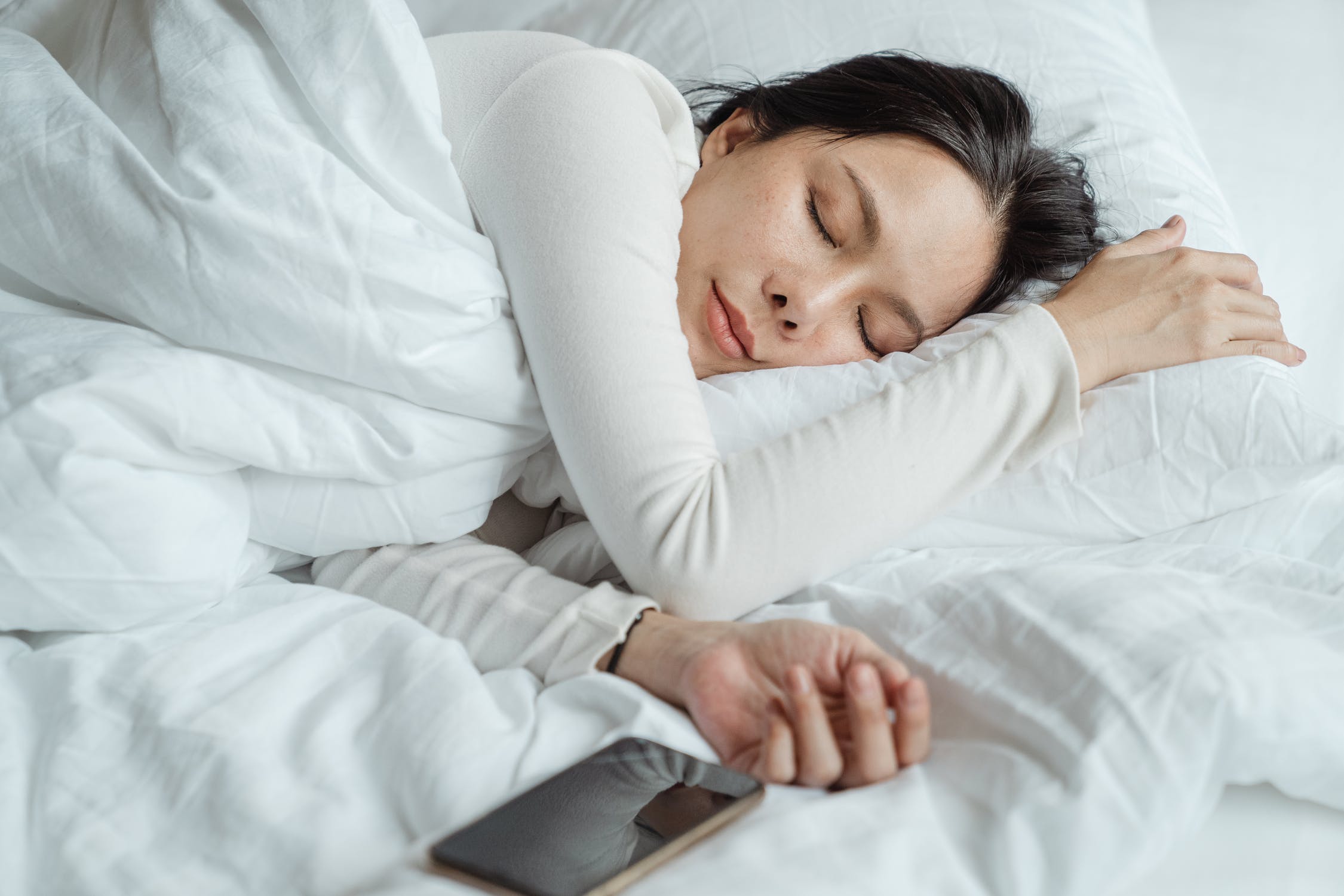
World Menopause Day took place yesterday and to build awareness and to help improve sleep quality and health, Dormeo’s Sleep Expert, Phil Lawlor, has put together 11 top tips.
Millions of women go through the menopause every year, and menopausal symptoms can affect more than 75% of women. Symptoms can include anxiety, low moods, hot flushes and difficulty sleeping. Some of these symptoms can be drastic and have a detrimental impact on everyday life. Sleep difficulties can be extremely common with women suffering the Menopause, this can lead to worse moods, depression, stress, anger, and worsened symptoms of mental health conditions.
The following top 11 tips will help to improve quality of sleep and health:
1. Exercise – exercising and looking after your mental wellbeing can help with symptoms during perimenopause and menopause and reduces stress hormones and stimulates production of endorphins, which helps foster relaxation. Exercises can be beneficial to help improve your sleep pattern; however late-night exercise can increase your body temperature and lead to your body overheating so make sure not to exercise just before bed.
2. Learn to meditate – easing stress through meditation may help turn down the heat of hot flushes caused by menopause. This is also a great way to alleviate feelings of stress or troublesome thoughts. Practise at any time of the day but especially before retiring to bed at night, as it will instil feelings of calm within. Deep sleep meditation is a technique that can produce a state of deep relaxation while you remain awake and alert. This can help you to wind down before bed, calming the mind and body, and can help reduce sleep troubles or insomnia.
3. Avoid eating before bed – eating before going to sleep can cause some people to suffer from gustatory sweating, this is when you start to feel hot and sweaty after eating. If you’re eating right before you go to bed you could be making yourself warmer and uncomfortable before going to sleep. Try having a one to a two-hour gap from your last meal to let your digestive system calm down. This can prevent discomfort and indigestion when trying to go to sleep.
4. Drinking calming tea – hot drinks can soothe a number of ailments, from tea with honey and lemon for sore throats, to green tea for antioxidants. Chamomile tea may be helpful for those menopause sleepless nights. While caffeinated teas can increase stimulation, herbal teas have the opposite effect with chamomile tea widely used to promote relaxation and drowsiness. Other teas such as spearmint and lemon balm, reduce anxiety along with improving sleep quality. Grabbing a cuppa an hour before heading to bed should give the herbal tea plenty of time to work its magic.
5. Create a calming environment – maintaining a calm and relaxing home environment is important for your mental health and wellbeing. There is a link between the stress hormone cortisol in the brain and living environment in women. When your room is untidy and cluttered, you have more cortisol. Women are more likely to be depressed if living in a cluttered space. Spend time clearing surface space each week and cleaning, this will keep your house looking bright, fresh, airy, and allergen free. Additionally, many species of plant have been found to have fantastic sleep-boosting and calming qualities that you should look to bring into your bedroom. For example, one study found that jasmine has a sweet scent that can reduce anxiety, improve relaxation, and help us to drop off to sleep more easily.
6. Turn off your electronics – The National Sleep Foundation recommends that you should stop using electronic devices at least 30 minutes before bedtime. Device screens produce blue light, which is the part of the light spectrum most active in our sleep cycle that keeps you awake. Turning off all devices will keep your room cool and create a more calming and relaxing environment to help you get to sleep.
7. Ventilate your room – It is crucial to promote airflow, and air ventilations in your room to ensure a cool and fresh environment. Open your bedroom window for a few hours every day to circulate air through your room creating a clean and fresh environment. This will also contribute to ventilating your mattress too which will keep your mattress fresh and clean.
8. Drink water – during menopause, dryness is often an issue. This is likely caused by the decrease in estrogen levels. It is crucial to drink 8 to 12 glasses of water a day can help with these symptoms. Drinking water is important as this keeps your body well-hydrated which regulates body temperature. If you’re dehydrated, then your body temperature will increase. Water is fundamental to physical health as it flushes out toxins, and eases anxiety.
9. Repurpose your hot water bottle – hot water bottles can be repurposed to help you stay cool when you are feeling too warm in bed. Fill the bottle halfway with tap water and put this into a freezer. This will give you an ice pack which you can use to cool down if you are feeling particularly hot and need to regulate your body temperature.
10. Take a cold shower – taking a cool shower before you go to bed is an effective way to cool your body down. It can help you feel fresh and clean which can help you feel more relaxed before getting into bed. There are also health benefits of cold bathing or showering such as improving blood circulation, enhancing feelings of vitality, and enhancing immunity.
11. Choose the right bedding material and nightwear – If you’re a hot sleeper and are suffering with hot flushes it is important to invest in breathable fabrics that have natural temperature-regulating properties fabrics such as linen, Tencel, bamboo, or silk. Some pyjamas can feel suffocating and uncomfortable such as flannel/fleece. It is important to choose loose fittings as this will regulate your night-time temperature and make it easier to fall asleep. Best cooling sheets consist of linen, bamboo, and silk sheets. Linen tends to trap less heat than cotton because of its looser weave.
