
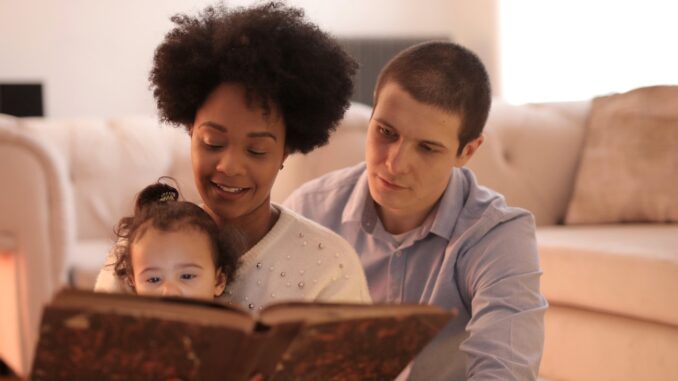
Children can be affected by a number of situations, but how can cohabiting parents affect them?
In today’s evolving social world, traditional family structures are no longer the sole standard. Cohabiting parents – unmarried couples who choose to live together – have become increasingly common. This shift has prompted questions about how cohabitation may affect children in comparison to those raised by married parents, and it has also increased the need for cohabitation solicitors.
While there are differences, it’s vital to understand that the impact on children depends on numerous factors, including the quality of the relationship and parenting. This article aims to explore these distinctions, dispel myths, and investigate the genuine dynamics at play.
Understanding Cohabitation vs. Marriage
Cohabitation entails two people living together as a couple without formalising their relationship through marriage. In contrast, marriage is a legally binding commitment that signifies a deeper level of partnership and commitment. Despite these differences, both statuses share many similarities, including shared responsibilities and often a shared residence.
Differing Surnames – A Matter of Identity
One visible distinction between cohabiting and married parents is often the choice of surnames. Cohabiting couples may opt to retain their individual surnames, while married couples often share a common surname. This divergence can sometimes lead to confusion, especially when it comes to school-aged children.
In certain instances, children of cohabiting parents may find it challenging to explain why their last name differs from their mother’s or father’s. While this can initially create some confusion, it rarely has a lasting impact on a child’s well-being or sense of identity. Children are remarkably adaptable, understanding that family dynamics can vary widely.
Getting Around the Differences in Family Structure
One area of concern revolves around whether cohabitation has differing effects on children’s emotional and psychological development compared to marriage. Research suggests that children raised by cohabiting parents may face distinct challenges, including:
Stability
Marriage may provide a more stable environment due to the legal commitment involved. Cohabiting couples may experience more frequent changes in their living arrangements, which can potentially disrupt a child’s sense of security.
Financial Resources
Married couples typically pool their financial resources, potentially providing greater financial stability for the family. Cohabiting couples may not combine finances to the same extent, leading to varying levels of economic security.
Relationship Dynamics
Cohabiting relationships may sometimes experience different dynamics due to the absence of a formal commitment. This can occasionally result in less emotional security for children.
The Power of Love and Support
While these differences are noteworthy, they do not dictate a child’s developmental path. What matters most is the quality of parenting and the love and support provided by the caregivers. Loving, attentive, and encouraging parents can create a nurturing environment, whether they are married or cohabiting.
Children possess remarkable adaptability and resilience. They can thrive in various family structures, as long as they receive the emotional and psychological support they need. It is crucial for parents, whether cohabiting or married, to prioritise their child’s well-being, fostering an environment of love, understanding, and open communication.
Addressing Societal Norms
In today’s society, the notion of the “traditional” family is evolving rapidly. It is essential to acknowledge that family dynamics are influenced by cultural, social, and individual beliefs. What is crucial is recognising that there is no one-size-fits-all approach to parenting. Different families can provide equally loving and nurturing environments for their children, regardless of their legal or cohabiting status.
Understanding Legal Aspects with Cohabitation Solicitors
When considering cohabitation versus marriage, it’s essential to address potential legal aspects. Cohabiting couples have fewer legal rights and responsibilities compared to married couples. Understanding these differences can be crucial in safeguarding both the parents and the children’s interests.
Parental Responsibility
In the UK, mothers automatically acquire parental responsibility for their children. For married couples, fathers also gain this responsibility automatically. However, for cohabiting couples, unmarried fathers must be named on the child’s birth certificate or enter into a Parental Responsibility Agreement to gain legal rights and responsibilities.
Property Ownership
When it comes to property, unmarried cohabiting couples do not have the same automatic rights as married couples. In the absence of a formal agreement, one partner may not have legal claim to shared property, potentially impacting the child’s living situation.
Financial Support
In the event of a separation, cohabiting couples do not have the same legal rights to financial support as married couples. Married partners may be entitled to spousal maintenance, child maintenance, and a share of assets, while cohabiting partners’ rights are less defined.
Inheritance
Marriage can significantly affect inheritance rights. Married spouses have certain inheritance tax exemptions and the right to inherit automatically if no will is in place. Cohabiting partners do not have these same automatic rights, which could potentially impact financial planning for the child’s future.
Family Law Solicitors
Understanding these legal nuances is crucial for cohabiting parents. Seeking advice from family law solicitors can help clarify your rights and responsibilities. These legal professionals can guide you through processes such as obtaining Parental Responsibility and drafting cohabitation agreements, which outline financial and property arrangements.

Cohabitation vs. Marriage is Nuanced
In conclusion, whether you choose to cohabit or marry is a personal decision influenced by various factors. What is vital is realising that there is no universal formula for successful parenting, and different families can provide equally loving and nurturing environments for their children. The impact on children depends more on the quality of parenting and the emotional support they receive than on the parents’ legal or cohabiting status.
Image Credits
