
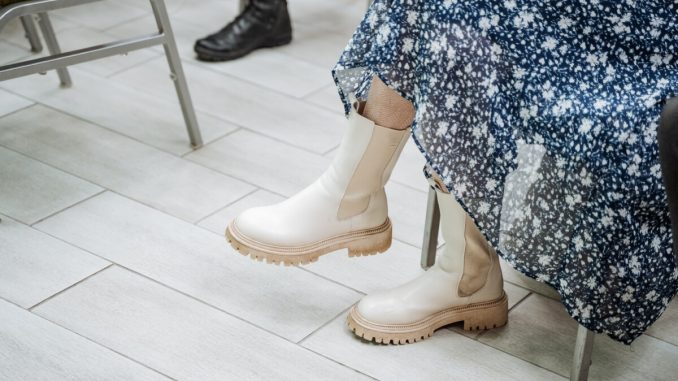
As we grow older, our feet benefit greatly from a little extra care and attention. Good foot health helps maintain mobility, prevents discomfort, and can even reduce the risk of falls. From choosing the right footwear, such as supportive easyfit shoes, to adopting simple daily habits, there are many positive, practical steps seniors can take to stay active and comfortable.
Choosing the Right Footwear for Comfort and Stability
One of the simplest yet most effective ways to support foot health is to choose footwear that fits properly and offers the right level of support. As we age, it’s common for the shape of our feet to change. Shoes that once felt fine may no longer provide the comfort or stability you need, which is why reassessing your footwear is so important.
Supportive, easy-to-wear options such as easyfit shoes have become increasingly popular among older adults. These shoes are designed with comfort in mind, using soft materials, cushioned insoles, and roomy toe boxes that reduce pressure and improve stability. They can also accommodate common conditions such as bunions, hammertoes, or swelling, making them a practical choice for everyday use.
Look for key features in senior-friendly shoes:
- A wider fit and breathable materials: These help to prevent rubbing and irritation.
- A cushioned sole: This absorbs impact and relieves pressure on joints.
- Non-slip soles: Essential for preventing slips and falls, particularly on wet or smooth surfaces.
- Easy fastenings: Velcro straps or stretchy uppers can make putting on shoes far easier, especially for those with arthritis or reduced dexterity.
It’s also wise to measure your feet every so often. Even in later life, foot size can change due to variations in weight, swelling, and muscle tone. Shopping later in the day can help ensure a more accurate fit. Choosing the right footwear is a small change that often brings immediate comfort and long-term benefits.
Maintaining Healthy Daily Habits for Happy Feet
Alongside good footwear, adopting consistent, gentle foot-care habits can help you stay active and pain-free. Foot problems often develop slowly, so regular attention helps ensure you spot early signs of trouble before they become more serious.
Keep feet clean and moisturised
Washing your feet daily with warm (not hot) water removes bacteria and reduces the risk of infection. Thoroughly drying them helps prevent fungal issues. A light moisturiser can keep skin soft and prevent cracking, though it’s best to avoid moisturising directly between the toes as this can trap moisture.
Trim nails carefully
Toenails should be trimmed straight across, rather than curved, to help prevent ingrown toenails. If it’s difficult to reach your feet or see clearly, a podiatrist or foot-care specialist can assist.
Check your feet regularly
Taking a moment each day to examine your feet can make a big difference. Look for changes such as redness, swelling, cuts, blisters, or areas of hard skin. Seniors with diabetes or circulatory issues should be especially vigilant, as reduced sensation in the feet can make problems harder to detect.
Stay active and stretch your feet
Foot strength and flexibility naturally diminish with age, but gentle movement can help maintain comfort and mobility.
A few simple exercises include:
- Toe curls and stretches: Strengthen the small muscles of the foot.
- Rolling your foot over a tennis ball: Helps ease tension in the arch.
- Ankle circles: Improve range of motion and promote blood flow.
- Short daily walks: Keep joints moving and support overall wellbeing.
These activities can easily be done at home and often take just a few minutes a day. If you experience persistent pain, it’s important to seek professional advice.
When to Seek Professional Support and How to Stay Mobile Safely
While many elements of foot care can be managed at home, there are times when professional support is the best option. A visit to a podiatrist can provide reassurance, diagnosis, and treatment for issues that might otherwise disrupt your mobility or comfort.
Consider professional help if you notice:
- Persistent pain in the heel, arch, or ball of the foot
- Thickened or painful corns and calluses
- Signs of fungal infection such as discoloured nails
- Difficulty trimming nails due to thickness or shape
- Changes in walking pattern or balance
Podiatrists can also provide advice on orthotic inserts, specialist footwear, and personalised foot-care routines tailored to your needs.
Keep moving with confidence
Staying mobile is one of the best things you can do for your overall health. Not only does regular movement support heart and joint health, but it also boosts mood, independence, and social wellbeing. A secure, supportive pair of shoes forms the foundation of safe movement, helping you walk comfortably and reducing the risk of falls.
Refreshing your footwear when soles wear down, ensuring your walking surfaces are safe, and keeping up with gentle exercises all play a role in maintaining confidence on your feet.
A positive, proactive approach
Good foot health doesn’t require complicated routines or major lifestyle changes. A few small habits can make a remarkable difference to your comfort and mobility. With the right care, your feet can continue to support an active, fulfilling lifestyle well into later life.
Image attributed to Vecteezy