
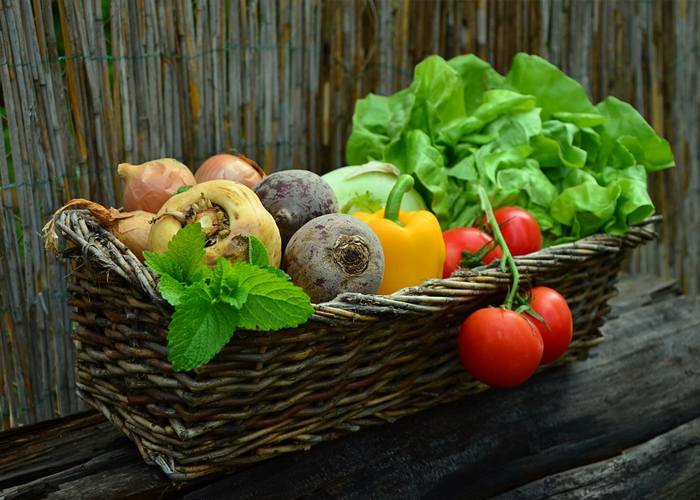
We all need regular food on a daily basis to sustain us, but it means different things to different people. For some, it’s merely fuel to get them through the day whereas others take more interest and enjoyment in the things they eat. But how much do you think about what you consume, where it comes from and how it’s prepared?
We hear a lot about organic food these days, but what does that actually mean? What are the benefits over non-organic produce and if it’s something you’d like to eat more of, how can you make that happen? Read our handy guide to find out more.
What is organic food?
The Department for Environment Food & Rural Affairs (DEFRA) defines organic food as “the product of a farming system which avoids the use of man-made fertilisers, pesticides, growth regulators and livestock feed additives. Irradiation and the use of genetically modified organisms (GMOs) or products produced from or by GMOs are generally prohibited by organic legislation.”
DEFRA also states that for produce to be listed as organic, at least 95% of its agricultural ingredients must be organic and the rest must be permitted under the regulations.
What are the benefits of eating organic food?
There are a wide range of advantages to eating organic. For example, it reduces the number of harmful chemicals in our food, which is better for our physical health. And a greater shift towards organic means there are fewer pesticides and fertilisers polluting our soil and water. These chemicals kill the natural organisms that plants need to grow, so moving away from GMOs will help us to create earth that is richer in nutrients.
Furthermore, organic farming methods help to attract pollinating insects, which can be harmed by some of the chemicals used in non-organic agriculture.
How can you ensure you’re eating more organic food?
One thing you can do is try your hand at growing your own food. It might take a little trial and error before you figure out what works and what doesn’t, but you can plant your own fruit and vegetables in a polytunnel in your garden or allotment and reap the rewards of your labours. The likes of strawberries, apples, tomatoes, potatoes and peppers are the foods that are most impacted by pesticides, so you could focus on attempting to grow those.
Meanwhile, if you are going to purchase fruit and vegetables, make sure you buy those that are in season. Those that are out of season are more likely to have been grown using GMOs, so do your research into what produce to get at which times of the year and shape your shopping lists around that.
