
Choosing the right orthodontic solution in London can feel overwhelming, with options like Invisalign and traditional braces both offering unique advantages. In a bustling city like London where first impressions matter, the quest for a straighter smile is more than just a cosmetic journey – it is about enhancing your confidence and oral health.
Traditional braces have long been the trusted choice for achieving proper alignment across London dental clinics, featuring metal brackets and wires that effectively address a wide range of complex orthodontic issues. On the other hand, Invisalign presents a modern, discreet alternative popular among busy Londoners, using a series of clear, removable aligners that allow for greater comfort and flexibility.
This article explores the key differences between Invisalign and traditional braces to help you choose the option that best fits your lifestyle, preferences, and dental needs in London, empowering you to achieve a confident smile.
Which Orthodontic Solution is Right for You?
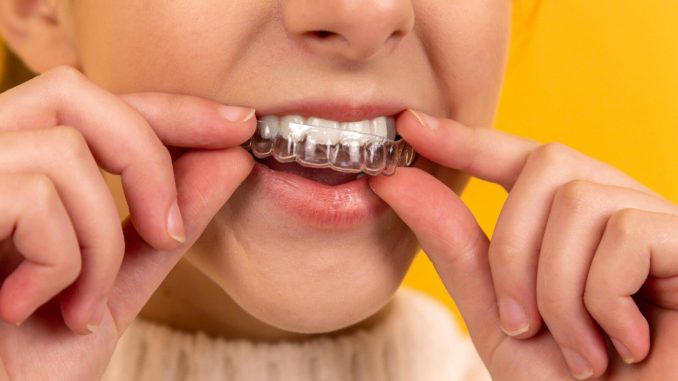
Invisalign has revolutionised the field of orthodontics in London with its innovative approach to teeth alignment. This system employs a series of custom-made, clear aligners crafted from smooth, comfortable, and virtually invisible plastic. These aligners are designed to gradually shift your teeth into the desired position, following a precise treatment plan mapped out by your London orthodontist. Unlike traditional braces, Invisalign aligners are removable, offering unparalleled flexibility and convenience for a busy city lifestyle.
One of the standout features of Invisalign is its aesthetic appeal. Because the aligners are clear, they are far less noticeable than metal braces, making them an attractive option for working professionals and teenagers in London who may feel self-conscious about wearing braces. The treatment process is also highly personalised, with each set of aligners custom-made to fit your teeth perfectly. This ensures a snug fit and effective movement of your teeth throughout the treatment period.
Invisalign treatments typically require fewer visits to the practice compared to traditional braces. Most patients receive new aligners every one to two weeks and have check-ups at their London dental clinic every six to eight weeks to monitor progress. This can be a significant advantage for those with tight commuting or work schedules. Additionally, the ability to remove the aligners means there are no dietary restrictions, and maintaining oral hygiene is simpler and more effective, reducing the risk of cavities and gum disease during treatment.
Overview of Traditional Braces
Traditional braces have been the cornerstone of orthodontic treatment for decades, offering a tried-and-true method for correcting a variety of dental issues. These braces consist of metal brackets that are bonded to the front of each tooth and connected by archwires. The brackets and wires apply continuous pressure over time, gradually moving teeth into their proper positions. This method is highly effective for treating complex orthodontic problems, including severe misalignment, overbites, underbites, and crossbites.
One of the primary advantages of traditional braces is their versatility. They can be used to address a wide range of dental issues that may not be suitable for Invisalign. Additionally, because the braces are fixed to the teeth, they are always working, ensuring consistent progress. Unlike removable aligners, there is no risk of losing or forgetting to wear them, which can be particularly beneficial for younger patients.
Traditional braces have also evolved over the years, with modern options offering more comfort and aesthetic appeal than their predecessors. Today, patients can choose from various types of braces, including ceramic braces which are less noticeable than metal ones, and lingual braces, which are attached to the back of the teeth. Despite these advancements, traditional braces still require regular orthodontic visits for adjustments and maintenance, and there are dietary restrictions to avoid damaging the brackets and wires.
Key Differences Between Invisalign and Traditional Braces
When comparing Invisalign and traditional braces, several key differences stand out, influencing the decision-making process for many patients. One of the most significant differences is appearance. Invisalign aligners are invisible, making them an excellent choice for those who want to straighten their teeth discreetly. In contrast, traditional braces are more noticeable, although options like ceramic braces can reduce their visual impact.
Comfort is another crucial factor. Invisalign available in London and across the UK are made from smooth plastic, which is more comfortable than the metal brackets and wires of traditional braces. The absence of brackets and wires means there is less chance of irritation to the inside of the mouth. However, it is important to note that some patients may experience discomfort when switching to a new set of aligners, as the teeth begin to shift.
The treatment process and lifestyle impact differ between the two options. Invisalign aligners are removable, making eating, drinking, and oral hygiene easier. Traditional braces are fixed, which makes cleaning harder and limits certain foods, but they ensure consistent treatment since they cannot be removed.
Pros and Cons of Invisalign
Invisalign offers numerous benefits, making it a popular choice for many seeking orthodontic treatment. One of the most significant advantages is its discreet appearance. The clear aligners are barely noticeable, allowing patients to undergo treatment without drawing attention to their teeth. This is particularly appealing for adults and teenagers who may feel self-conscious about wearing braces.
Another advantage of Invisalign is the comfort it provides. Made from smooth plastic, the aligners are less likely to cause irritation to the gums and cheeks compared to traditional braces. Additionally, the ability to remove the aligners makes it easier to maintain good oral hygiene, as you can brush and floss your teeth without obstruction. This reduces the risk of cavities and gum disease during treatment.
However, Invisalign is not without its drawbacks. One of the primary concerns is that it may not be suitable for all orthodontic issues. Severe cases of misalignment or complex dental problems may require the more robust intervention provided by traditional braces. Additionally, the success of Invisalign treatment relies heavily on patient compliance. Aligners must be worn for 20-22 hours a day, and failure to do so can significantly impact the effectiveness and duration of the treatment.
Pros and Cons of Traditional Braces
Traditional braces remain a reliable and effective option for many orthodontic patients, offering several benefits. One of the key advantages is their versatility. Traditional braces can address a wide range of dental issues, including complex cases that may not be suitable for Invisalign. This makes them a preferred choice for patients with severe misalignment, overbites, underbites, and other significant orthodontic problems.
Another benefit of traditional braces is that they are always working. Since they are fixed to the teeth, there is no risk of patients forgetting to wear them, ensuring consistent progress throughout the treatment period. This can be particularly advantageous for younger patients who may struggle with the discipline required for removable aligners. Additionally, the regular adjustments made by the orthodontist allow for precise control over tooth movement.
Traditional braces are effective but have several drawbacks. Their visible metal brackets can cause self-consciousness, and adjustments often lead to discomfort. The wires may irritate the mouth, oral hygiene is harder due to trapped food, increasing cavity risk, and patients must avoid hard, sticky, or chewy foods to prevent damage.
Factors to Consider When Choosing an Orthodontic Solution
Choosing the right orthodontic solution involves considering several factors that will influence the overall treatment experience and outcomes. One of the primary considerations is the specific dental issues that need to be addressed. While Invisalign is effective for a variety of alignment problems, traditional braces may be necessary for more complex cases. Consulting with an orthodontist will help determine which option is best suited for your needs.
Aesthetic preferences also play a significant role in the decision-making process. For those who prioritise a discreet treatment, Invisalign’s clear aligners are an attractive option. However, if appearance is less of a concern, traditional braces, including less noticeable options like ceramic or lingual braces, may be suitable. It is important to weigh how much visibility matters to you during the treatment period.
Lifestyle and personal habits are other critical factors to consider. Invisalign offers greater flexibility as the aligners can be removed for eating, drinking, and cleaning. This can be advantageous for those who enjoy a varied diet and want to maintain optimal oral hygiene. However, the responsibility of wearing the aligners for the required 20-22 hours a day must not be underestimated. Traditional braces, being fixed, eliminate the need for such discipline but come with dietary restrictions and may require more meticulous cleaning efforts.
Cost Comparison: Invisalign vs Traditional Braces
The cost of orthodontic treatment is a significant consideration for many patients, and understanding the financial implications of Invisalign versus traditional braces is crucial. The cost of Invisalign can be comparable to or slightly higher than traditional braces, depending on the complexity of the case and the duration of treatment. On average, Invisalign treatment ranges from £3,000 to £5,000, while traditional braces can cost between £2,000 and £6,000.
Several factors influence the cost of both treatments. For Invisalign, the number of aligners needed, and the length of treatment play a significant role in determining the overall expense. Complex cases requiring more aligners and longer treatment times will naturally be more costly. Additionally, the expertise and location of the orthodontist can impact the price.
Traditional braces’ costs are influenced by the type of braces chosen (metal, ceramic, or lingual), the severity of the dental issues, and the length of treatment. Metal braces are typically the most affordable option, while ceramic and lingual braces tend to be more expensive due to their aesthetic advantages. It is also important to factor in the cost of regular orthodontic visits for adjustments and any additional appliances that may be needed, such as retainers.
Making the Right Choice for Your Smile
Making the right choice between Invisalign and traditional braces depends on a combination of personal preferences, dental needs, and lifestyle considerations. Both options offer unique advantages and can effectively improve your smile and oral health. Consulting with an experienced orthodontist is the best way to determine which treatment is most suitable for your specific situation.
For those who value discretion and comfort, Invisalign may be the ideal choice. The clear, removable aligners offer an invisible solution that allows for easy maintenance of oral hygiene and fewer dietary restrictions. However, it is important to consider whether you can commit to wearing the aligners for the recommended 20-22 hours a day to achieve the desired results.
On the other hand, traditional braces may be the better option for patients with more complex dental issues or those who prefer a fixed solution that does not require daily compliance. While traditional braces are more noticeable and may involve some discomfort and dietary adjustments, their effectiveness and versatility make them a reliable choice for many orthodontic patients across London, there are dentists in Islington, Camden, Mayfair, Hackney, Catford, Hampstead, Hendon and across London on hand to help. The decision should be based on a comprehensive evaluation of your orthodontic needs, lifestyle, and personal preferences, ensuring that you achieve a beautiful, healthy smile that lasts a lifetime.