
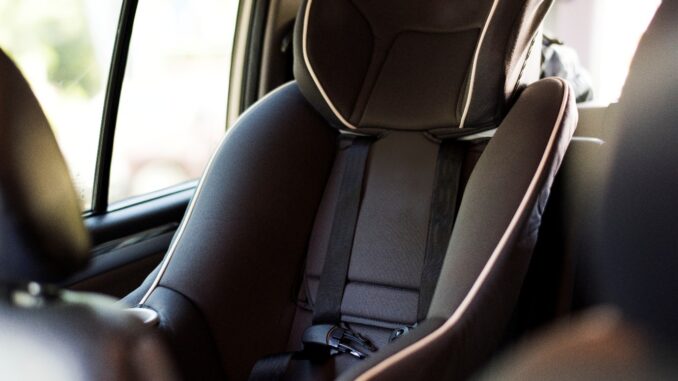
As parents, we’re always making decisions with our child’s safety in mind. One key milestone that can feel both exciting and nerve-wracking is the transition from a rear-facing to a forward facing car seat. But how do you know when it’s the right time?
This guide breaks down what you need to know in a clear and calm way – from UK legal guidelines to developmental readiness and how to choose the right seat. Whether you’re a first-time parent or need a refresher, we’ve got you covered with expert-backed advice and a friendly tone.
Understanding the Basics – When and Why the Shift Matters
In the early months and years of life, a child’s bones and muscles are still developing – especially the neck and spine. This is why rear-facing car seats are the safest option for young children, as they offer better protection in the event of a crash.
What Does the Law Say?
In the UK, the law is clear: children must travel in a car seat appropriate for their weight, height, and age until they are either 12 years old or 135 cm tall – whichever comes first.
There are two main types of safety standards:
- R44 (weight-based) – Children can move to a forward facing car seat from 9 kg (around 9 months), but it’s strongly advised to wait longer if possible.
- R129 (also called i-Size) – These seats are height-based and require children to remain rear-facing until they are at least 15 months old.
What Do Experts Recommend?
Safety experts and organisations like the Royal Society for the Prevention of Accidents (RoSPA) and the NHS recommend keeping your child rear-facing for as long as possible – ideally up to 4 years of age – because it offers significantly more protection in head-on collisions.
In a forward-facing position, a child’s head is thrown forward in an impact, which can put strain on their neck and spine. Rear-facing seats support the head, neck, and spine as one unit, reducing the risk of serious injury.
Knowing the Signs Your Child Is Ready
Every child grows at their own pace. While car seat guidelines are based on weight and height, readiness is about more than just numbers.
Look Out For:
- Height or weight limits exceeded – Check your car seat’s manual carefully. If your child has outgrown the rear-facing limits, it’s time to consider a switch.
- Leg room discomfort – Children are flexible and often comfortable with bent legs in a rear-facing seat. However, consistent discomfort might be a sign to re-evaluate.
- Neck control and posture – By the time your child is approaching 3 or 4 years old, their head and neck control should be strong enough for a forward-facing seat – if the other conditions are also met.
Just remember, even if your child meets the minimum age or size requirement, keeping them rear-facing for longer is still the safest choice where possible.
Choosing and Installing the Right Forward-Facing Seat
Once you’ve decided it’s time to move your child into a forward-facing position, it’s important to choose the right seat and install it correctly.
Types of Forward-Facing Car Seats
There are several categories:
- Group 1 seats (9–18 kg): Usually used with a five-point harness
- Group 1/2/3 seats (9–36 kg): Adaptable as your child grows
- i-Size seats (for children at least 76 cm tall): Tested for side-impact protection and ease of use
Many parents opt for combination seats that switch from rear to forward-facing, allowing for a smoother transition without needing to buy a brand new seat.
Safety Checklist:
- Check for safety certification – Look for ECE R44/04 or R129/i-Size labels
- Ensure a snug fit – The harness should lie flat and snug across your child’s shoulders, without slack
- Use the top tether or ISOFIX – These improve stability and ease of installation
- Avoid bulky clothing – Remove padded jackets before strapping your child in
Remember: a clean seat is a safe seat. Car seats can harbour harmful bacteria if not cleaned regularly. Including a simple cleaning schedule in your maintenance routine is an easy way to keep every journey both hygienic and secure.
Don’t Forget the Fit for Your Car
Some seats may not be compatible with every car. Many shops offer fitting demonstrations or trial fittings. It’s worth checking out a reputable retailer that allows you to try before you buy or get professional fitting help.
Safety, Confidence and Comfort on the Road
The transition to a forward-facing car seat can feel like a big step – and it is. But with the right information, careful timing, and a properly fitted seat, it can be a smooth and safe progression.
Always trust your instincts, follow the latest safety advice, and don’t rush the move. After all, keeping your child rear-facing for longer is one of the simplest ways to give them a safer start in life.
And once they are ready? Enjoy the new view – and the new conversations – that forward-facing brings. They’ll love seeing where you’re going, and you’ll love knowing you’ve made a thoughtful, informed choice for their wellbeing.