
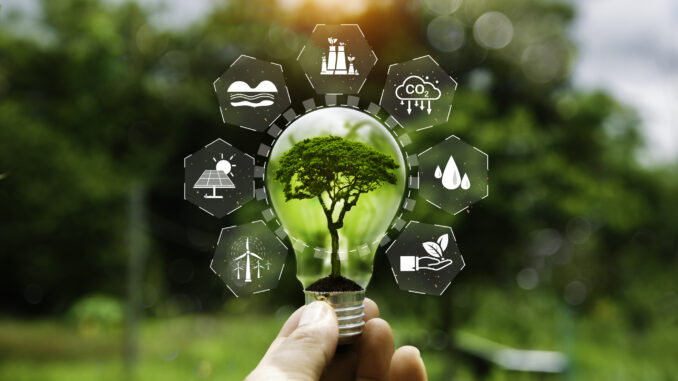
Time is running out for us to minimise the impact of climate change, with the past 10 years having been the hottest in recorded history.
In a bid to do their part, multiple governments and businesses have pledged to reduce their carbon emissions to as close to zero as possible.
However, it’s going to require significant investment into environmentally friendly practices – otherwise known as green investing.
Benefits of green investing
If you want to avoid contributing to activities that damage the environment or communities, green investing is worth focusing on.
It’s a way of supporting projects that aim to have a positive impact on the environment and build a more sustainable economy.
And if those collective benefits were not enough, individuals could benefit from:
- Reduced carbon footprints: The overall aim of net zero is to get carbon emissions down to as close to zero as possible, and green investing can help you achieve that.
- Long-term growth potential: Sustainability is the future. You can future-proof your portfolio by investing in a way that limits your exposure to organisations linked with fossil fuel consumption.
Supporting businesses on the path to net zero
Half of the world’s biggest businesses are committed to achieving net zero by 2050. But that still means that half of them aren’t.
By focusing your investments on companies that are looking to change for the better, you can help them manage the transition. Whether it’s finding alternate suppliers, implementing more sustainable practices, or completely overhauling the production method, change is likely going to be costly and require external support.
Impact investing
The form of green finance that will make you feel like you’re having the most immediate influence is impact investing. This is where you invest in entities that prioritise having a directly positive environmental and social impact.
Investment opportunities in green sectors
There’s certainly no shortage of opportunities in green investing. Popular sectors include:
- Renewable energy: The time of fossil fuels is coming to an end, but significant investment in renewable energy is needed to make the transition as smooth as possible.
- Clean transport: Around a quarter of the world’s carbon emissions come from the transport sector, so there’s a need to innovate.
- Sustainable agriculture: Food shortages have become far more common in supermarkets and are a side-effect of climate change. Many farmers are looking for ways to grow their produce without being left at the whims of the environment or having to resort to harmful chemicals.
