
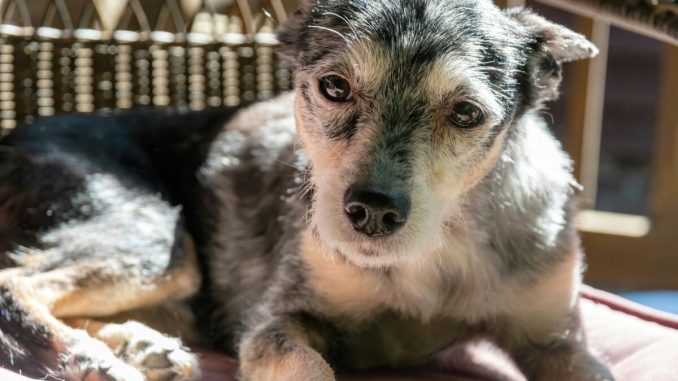
Many dogs slow down as they get older. People often think it is just normal ageing. But small changes, like hesitating before jumping on the couch or moving stiffly after resting, may point to joint pain.
Dogs cannot communicate when they hurt, so owners must notice subtle changes in movement. Documenting concerns and consulting with veterinarians ensures a clearer picture during checkups and helps prevent long periods of untreated pain.
Separating normal senior dog behavior from actual joint pain means looking for reluctance to move, changes in walking style, or less enthusiasm for daily routines. Recording when these changes begin, how often they occur, and whether they improve with rest or worsen after exercise gives the vet a strong foundation for evaluating pain.
How Dogs Silently Suffer From Joint Pain
Joint pain is common in senior dogs, yet many cases go undetected for a long time. The Zoetis guide to dog arthritis explains that canine companions have adapted to hide their pain as a survival mechanism.
Dogs often conceal soreness or stiffness, relying instead on body language and subtle cues to express discomfort. At home, this rarely shows up as obvious limping or whimpering, especially in early stages. Instead, dogs may quietly adjust how they move or become less active, which can easily be mistaken for normal ageing. Relying only on visible signs often leads to missed suffering until symptoms escalate and limit daily activities.
The issue may begin with minor cartilage wear. Over time, this wear increases, causing inflammation and long-term pain. Without intervention, the cycle of decreased activity leads to further joint damage. Untreated joint pain can reduce quality of life, limiting mobility and affecting daily enjoyment such as walks or play. The impact may change the way dogs interact with their owners and could even influence eating or toileting habits. Early action helps protect against these negative changes.
Physical Symptoms That Signal Arthritis in Dogs
Morning stiffness often marks an early warning sign. Dogs may struggle to stand after resting, appear uncomfortable on first movement, or seem to loosen up as the day goes on. Mobility changes create challenges for affected dogs. Reluctance going up stairs, jumping into cars, or hopping onto furniture may suggest discomfort, especially if once routine. Awkward or slow movements, including short pauses before action, hint at pain.
Careful observation of movement can reveal joint pain. Some dogs limp or favor one leg after exercise or in cold weather. Swollen joints, particularly in the knees or elbows, may feel warm to the touch. Moving these joints may cause a dog to flinch, pull back, or vocalize. Muscle loss can develop over time in limbs avoided due to pain. Noticing these physical clues early makes prompt diagnosis and tailored support possible.
Breed-Specific Joint Vulnerabilities
Large breeds like Labrador Retrievers and German Shepherds are more likely to develop hip dysplasia, a condition where the hip joint forms improperly. These dogs may show early signs of discomfort when rising or during extended activity. Regular assessment helps identify problems before they become severe.
Small breeds including Dachshunds and Corgis often experience intervertebral disc issues due to their body structure. These problems can mimic arthritis symptoms but require different treatment approaches. Working breeds with high activity levels face unique joint stress from repetitive movements. Border Collies and Australian Shepherds may develop elbow or shoulder arthritis from herding activities.
Behavioral Changes That Reveal Hidden Pain
A dog that once enjoyed walks or play may now show less enthusiasm, often before obvious pain appears.
Some dogs begin walks with interest but tire quickly or fall behind, indicating discomfort during movement. Irritability can develop, with dogs growling or pulling away when touched near sore joints. This shift may start subtly, as a reaction when a hip or elbow is touched.
Shifts in sleep patterns are also common. Dogs may struggle to settle or change positions frequently through the night. Avoiding favorite sleeping spots that require jumping or climbing also signals discomfort. Understanding how much sleep is normal for senior dogs, as explained in Why Do Dogs Sleep So Much?, on PetMD, helps owners recognize when restlessness might indicate pain rather than ageing. Logging these changes supports veterinary conversations and early action. When Physical symptoms and behavioral shifts are noticed together, they reinforce the need for an arthritis assessment and veterinary review.
Using At-Home Assessment Tools for Early Detection
Watching how dogs rise from rest, climb stairs, and move after exercise can reveal early signs of arthritis. Even small changes in willingness to jump, play, or walk may point to developing joint issues. Keeping detailed records over time gives helpful information for veterinary visits and supports more objective discussions about changes noticed at home.
Online arthritis assessment tools offer structured methods to evaluate symptoms and determine if veterinary care is needed. These tools ask about mobility changes, emotional shifts, and any physical discomfort noticed by owners. Using joint pain assessment checklists helps capture changes early and prepare for effective veterinary assessments.
Creating a Joint-Friendly Environment for Ageing Dogs
Supportive bedding such as orthopedic mattresses helps disperse a dog’s weight and ease joint pain. Place beds in warm, draft-free spaces for comfort, as cold can increase stiffness. Check beds often for flattening that could remove support and replace them if needed.
Reducing household hazards increases confidence and safe movement. Carpet runners or non-slip mats help dogs travel over hard floors, while strips can add grip to steps. Ramps or dog stairs offer easier access to furniture or cars for dogs struggling with jumping. Raised food and water bowls decrease neck and shoulder strain, so dogs eat and drink more comfortably.
Daily movement and a healthy weight can help relieve joint discomfort. Swap rough play for swimming, gentle walks, or low-impact games. Short, frequent sessions maintain strength without strain. Extra weight puts more pressure on sore joints, so a tailored diet and activity plan from a vet supports easier movement. Even small improvements, combined with regular monitoring, can help preserve mobility and maintain quality of life as dogs age.